Showing posts with label Nimono (simmered dishes). Show all posts

December 18, 2016

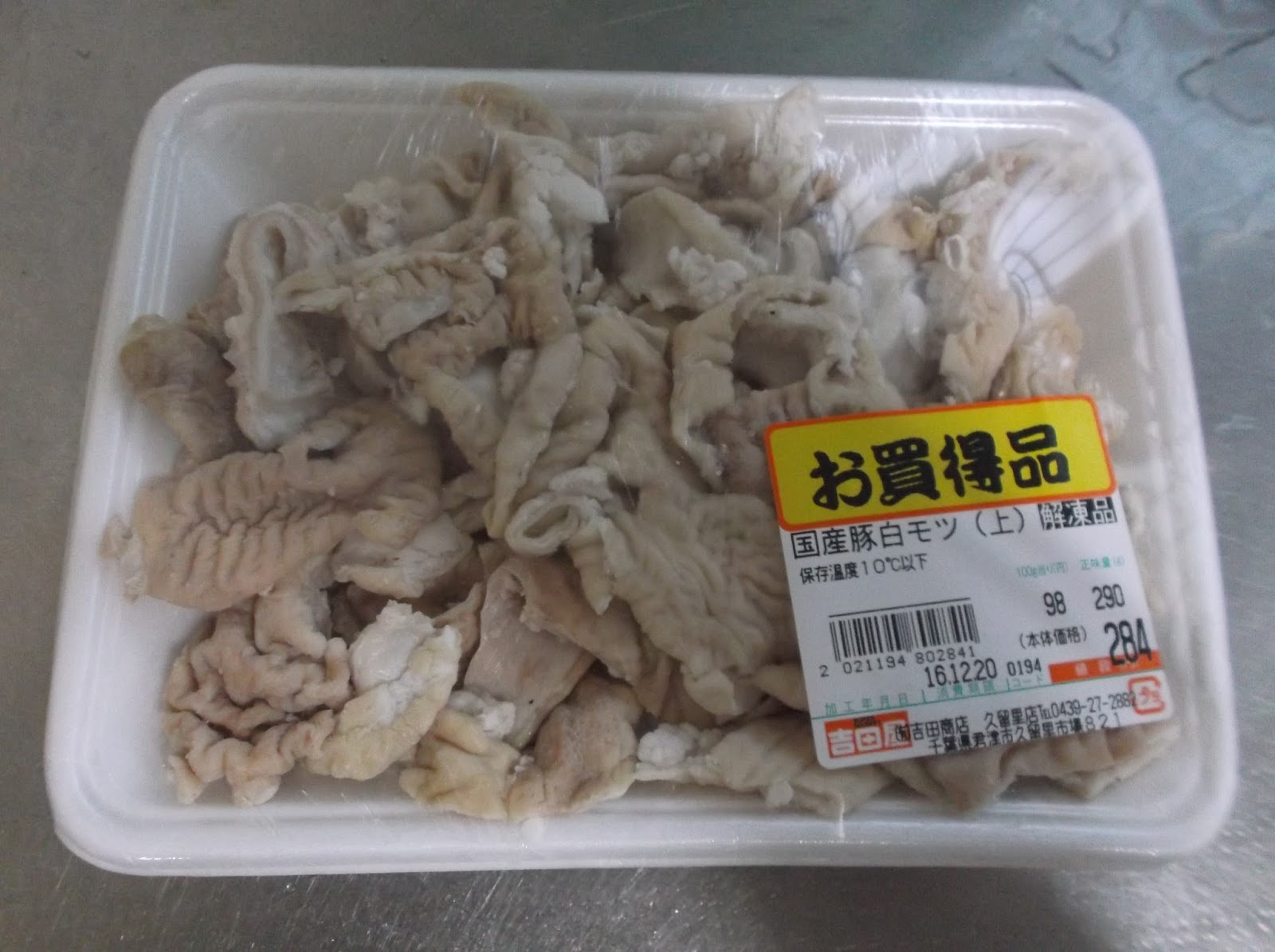
Motsu Ni(Simmered Offal)/もつ煮

My father is a big fan of simmered (pork) offal. This is my very first attempt to make simmered offal.
父は(豚の)もつ煮が大好きです。初めてもつ煮を作ってみました。

Ingredients: 300 g pork offal
1/2 carrot
2 onions
1 konnyaku
材料: 豚もつ 300 g
人参 半分
玉ねぎ 2個
こんにゃく 1枚

 
First, boil pork offal in a pot for 4-5 minutes to remove odor.
まず、臭みを取るため、もつを鍋で4,5分茹でます。

Drain offal and cut large pieces into smaller ones.
お湯を切り、大きいのは小さく切ります。.
Put all the ingredients in a pot, add enough water to barely cover the ingredients, bring to a boil, add 100 ml sake, some miso, and some mirin, and 1 tsp instant dashi.
材料を鍋に入れ、ひたひたになるまで水を入れ、沸騰させ、お酒を100 ml、味噌とみりんを少し、出汁の素を小さじ1入れます。
Simmer for more than half an hour until soft.
柔らかくなるまで30分以上煮ます。
I forgot to put konnyaku!
こんにゃくを入れるのを忘れました!

That was close!
危ないところでした!

I simmered for a total of almost one hour.
全部で1時間近くは煮ました。
Before serving, I reheated.
出す前に、温めなおしました。
My father said it was just so so.
父が言うには、「まあそんなもんだ」だそうです。

Satoimo no Nimono/里芋の煮物

So far, I have called this type of simmered dish "satoimo no nikkorogashi" (simmered and rolled), but I have come to realize that the term is a misnomer for the dish I make, because the dish is not made by rolling the satoimo in a pot. I will call it satoimo no nimono from now on.
今まで、このような料理を「里芋の煮っ転がし」と呼んでいましたが、里芋の鍋の中で転がして作るわけではないので、これからは里芋の煮物と呼ぶことにします。

Satoimo (taro roots):
里芋:
Rinse, drain, put in a bag, and microwave for several minutes.
洗って、水を切り、袋に入れて、電子レンジで数分加熱します。
I thought that microwaving them would make it easy to peel them, but I found it was quite difficult to peel them even by using a knife. So I decided to simmer them in a pot for several more minutes.
電子レンジで加熱すれば、皮がむきやすくなると思ったのですが、包丁を使っても皮をむくのが難しかったので、鍋でさらに数分煮ました。
Peeling was still very hard to do, so I stopped peeling, put them in a pot of cold water, and left them overnight.
それでも皮をむくのが大変だったので、皮をむくのは止め、冷水が入った鍋に入れ、一晩放置しました。

This morning:
今朝:
Peeling was now very easy to do.
今度は皮をむくのが簡単でした。
Note: Heating satoimo before peeling is recommended because peeling raw satoimo with bare hands will make them itchy.
注: 生の里芋の皮を素手でむくと手がかゆくなるので、皮をむく前に加熱するといいです。

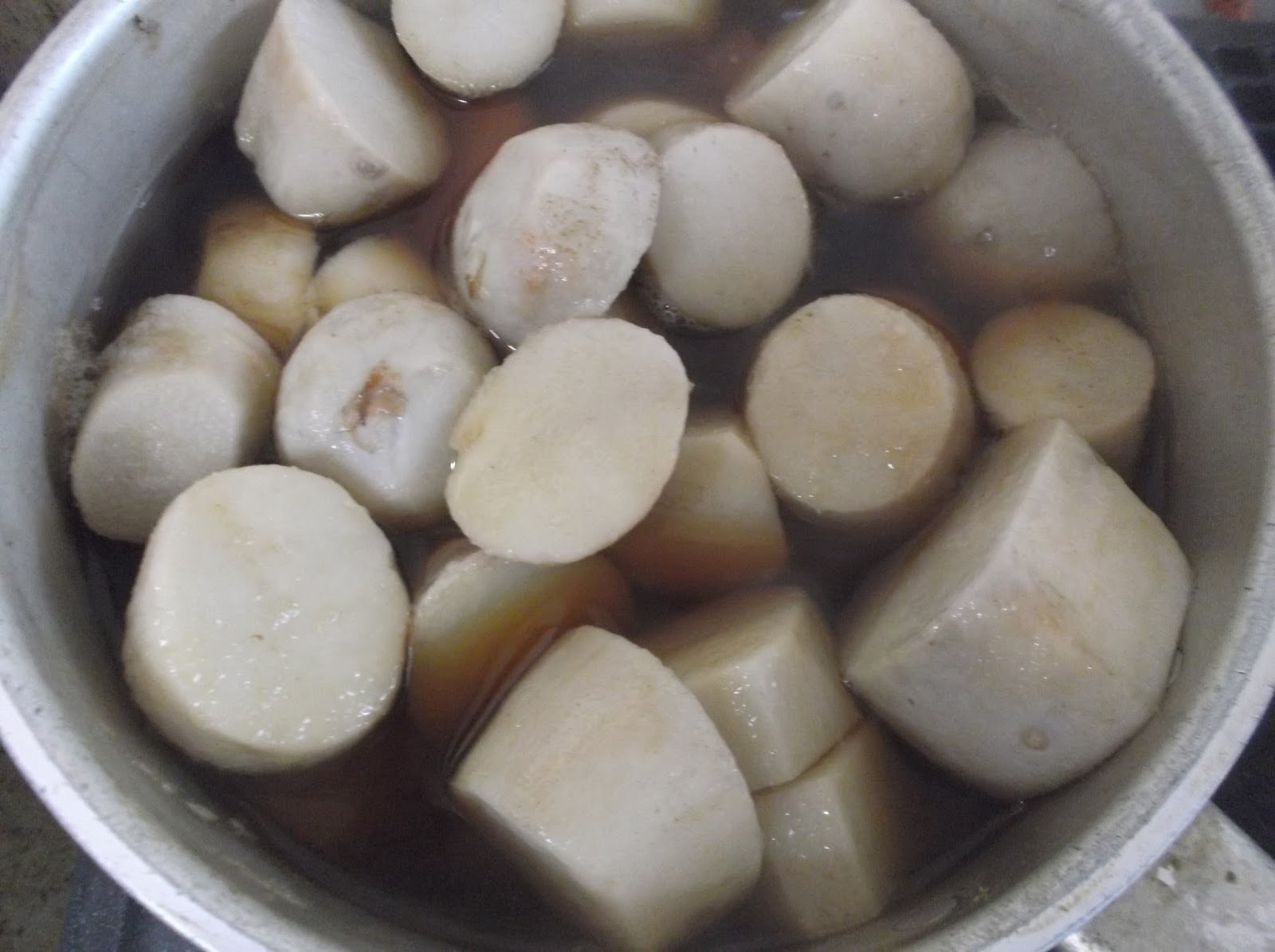
Cut the satoimo into manageable sizes, put them in a pot, and add a 8:1:1 mixture of dashi (water + instant dashi), soy sauce, and mirin.
里芋を手ごろな大きさに切り、鍋に入れ、出汁(水+出汁の素)、しょう油、みりんを8:1:1の割合で入れます。
400 ml water + 1 tsp instant dashi, 50 ml soy sauce, and 50 ml mirin in the photo.
写真では、水400 ml+出汁の素小さじ1、しょう油50 ml、みりん50 ml。

The liquid must be of such an amount that it barely covers the satoimo. Place a drop lid on top.
液は、里芋がひたひたになる程度の量にします。上に落としぶたをします。
I used two paper towels instead.
私はキッチンペーパー2枚で代用しました。

In 5 minutes or so, they will be done. I continued to simmer them for another 2-3 minutes.
5分程度で火が通ります。私はさらに2,3分煮ました。
Done!
完成です!

December 12, 2016

Nishin (Herring) Soba and Buri (Adult Yellowtail) Daikon for Supper/夕飯ににしんそばとブリ大根

Nishin (herring) soba is a specialty of Hokkaido and Kyoto, and I've never had authentic nishin soba. It's buckwheat noodles in hot broth, topped with kanroni'ed "migaki nishin" (dried herring).
にしんそばは、北海道や京都の名物で、私は本当のにしんそばを食べたことはありません。温かい汁に入った蕎麦で、上に甘露煮(かんろに)の身欠きにしんが乗っています。

Kanroni refers to simmering an ingredient with soy sauce and mirin, plus a large amount of sugar so that the ingredient turns glossy on the outside or to such a dish.
甘露煮とは、具材をしょう油やみりん、それから多くの砂糖で照りが出るように煮ること、またはそのような料理のことです。

My father bought a pack of Nishin hitoshio boshi. I wasn't familiar with hitoshio boshi. I found by googling that it is slightly salted and dried.
父がにしんの一汐干しを買ってきました。一汐干しのことは知りませんでした。ググると、薄塩で干したものだそうです。
 

I decided to make nishin soba, using these fillets, although they were not migaki nishin. For info about migaki nishin, search my blog and you will find some information. I also decided not to make kanroni but simply simmer them in a 5:1:1 mixture of water, soy sauce, and mirin.
これを使ってにしんそばを作ることにしました。身欠きにしんではありませんが。身欠きにしんについては、このブログで検索して下さい。情報が少し見つかるはずです。また、甘露煮ではなく、単に水、しょう油、みりんを5:1:1にして煮ることにしました。
I also made buri daikon, partly because buri ara (trimmings), bought by my father, had been sitting in the freezer for days.
また、ブリ大根も作りました。父が買ったブリのあらが冷凍庫に何日も眠っていたためです。

Instead of using the technique called shimofuri (parboiling) to remove the odor, I grilled them in the toaster oven for 13 minutes.
臭みを取るのに霜降りではなく、オーブントースターで13分焼きました。

Meanwhile, I simmered the daikon for 10+ minutes in a 5:1:0.5 mixture of water, soy sauce, and mirin instead of my usual ratio of 8:1:1.
その間、大根を10分以上、水、しょう油、みりんを5:1:0.5で混ぜた鍋に煮ました(いつもの8:1:1ではなく)。

I added the buri ara to the pot, and simmered for another 10 minutes.
ブリのあらを鍋に入れ、さらに10分煮ました。
I finished these steps around noon.
これらは昼頃に終えました。

In the evening, I boiled some soba.
夕方、そばを茹でました。
Simmered herring fillets:
煮たにしん:
I made soba broth using a 12:1 mixture of dashi (= water + instant dashi) and soy sauce. I left out mirin, because my father hates sweet noodle broth.
そばのつゆは、出汁(=水+出汁の素)としょう油を12:1で混ぜて作りました。みりんは省略しました。父は甘い麺つゆが嫌いなので。
I found my parents did not have decent donburi in the kitchen! I had to serve the nishin soba in chuka don (Chinese-style donburi).
両親の家には、まともなどんぶりがありませんでした!にしんそばは中華丼に入れて出しました。

Buri daikon:
ブリ大根:
The daikon had soaked up the flavor and was very delicious!
大根には味が染みて、とても美味しかったです!
July 1, 2015

Simmered and Grilled Yellowtail/ぶりの煮魚と焼き魚

Yesterday, I was lucky enough to get two packs of two yellowtail heads each for only 100 yen each. I sprinkled each head with 1% salt, rubbed it well, put it in an I-Wrap bag, and stored it in the partial freezing component of the fridge.
昨日は、運よく、ぶりの頭が2つ入ったパックを2つ(それぞれ100円)買うことができました。それぞれ、1%の塩を振り、よくもんで、ライラップに入れ、冷蔵庫のパーシャル室に保存しました。 
  
Today, I decided to simmer two of them and grill the two others in the toaster oven.
I placed two heads in a frying pan, and added 200 ml water, 50 ml sake, 50 ml soy sauce, and 50 ml mirin (water + sake, soy sauce, and mirin ratio of 5:1:1). I placed two paper towels on top of them as a substitute for an "otoshi buta" (drop lid). I simmered them for 7 minutes, flipped them, and simmered them for another 5 minutes.
今日は、そのうちの2つは煮魚にして、残りの2つはオーブントースターで焼き魚にすることにしました。
2つフライパンに入れ、水200 ml、お酒50 ml、しょう油50 ml、みりん50 ml(水+お酒:しょう油:みりんの割合は5:1:1)入れ、落し蓋の代わりにキッチンペーパーを2枚、上に載せ、7分煮ました。裏返してさらに5分煮ました。


7 minutes later
7分後

Flipped
裏返して
12 minutes later
12分後
I placed the two others in the toaster oven. I grilled them for 10 minutes.
オーブントースターに入れ、10分焼きました。
 
10 minutes later.
10分後。
I placed a sheet of aluminum foil on top of them to prevent scorching, and grilled them for another 5 minutes.
焦げないよう、上にアルミホイルを置き、さらに5分焼きました。
15 minutes later.
15分後。
I later grilled them for another 10 minutes.
後で、さらに10分焼きました。
Very cheap yet very satisfying main dish!
とても安いのに、とても満足できるメインデッシュです!

June 21, 2015

Simmering Fish in a Ziploc Bag/ジップロックで魚を煮る

The last time I simmered these fillets of fish (barfin flounder) in my usual way (in a frying pan), they shrank almost in half. So, today, I decided to put them in a Ziploc Bag together with seasonings and place the bag in a pot of hot water.
前に、いつもの方法(フライパンで)あぶらがれいの切り身を煮た時は、半分近くにまで縮んでしまいました。なので、今日は、ジップロックバックに調味料と一緒に入れ、湯煎することにしました。
My usual seasonings are dashi (water plus instant dashi), soy sauce, and mirin combined at a ratio of 5:1:1 (plus a small amount of sugar sometimes), but I decided to use the home-made noodle soup concentrate.
So, in the Ziploc bag, I put:
50 ml home-made noodle soup concentrate
A little over 200 ml water
I decided not to add sugar this time.
私のいつもの調味料は、出汁(水と出汁の素)、しょう油、みりんを5:1:1で混ぜたもの(時には砂糖も少し)ですが、自家製の濃縮麺つゆを使うことにしました。
というわけで、ジップロックバッグに、
濃縮麺つゆ 50 ml
水 200 ml強
を入れました。
今回は砂糖は入れませんでした。

Then, I added the fillets. Then, I tried to release all the air from the bag, but in vain.
次に魚を入れ、次に袋から空気を全部出そうとしましたが、無理でした。
Put some cold water in a pot, and place the bag. Turn on the gas and raise the water temperature to 70 degrees C. Turn off the gas. Simmer the fillets in the bag for 10 minutes. During this time, you need to check the water temperature occasionally and turn on the gas again as needed.
鍋に冷水を入れ、袋を入れます。火を点けて、水温を摂氏70度まで上げます。火を止めます。袋に入った魚を10分間煮ます。この間、時々水温をチェックして、必要に応じて火を再度点けます。
I turned over the bag 5 minutes later. I had to turn on the gas twice for a very short time.
私は5分後に袋を袋をひっくり返しました。二度、とても短時間火を点けました。
Ten minutes later.
10分後。
I kept the fish in the bag until it was ready to serve on the table.
テーブルに出すまで、袋の中に入れておきました。

I forgot to take a photo of my portion. Here's a photo of my son's. (He won't come home before 10 o'clock tonight.)
自分の分の写真を撮るのを忘れました。息子の分の写真です(息子は今夜は10時にならないと帰って来ません)。
I'm glad that the fillets didn't shrink.
縮まないで良かったです。

December 25, 2014

My Oden Recipe/私のおでんのレシピ

On December 21, I made oden, and submitted my oden recipe to COOKPAD, Japan's largest recipe site. You can read my recipe from here (Hiro312's kitchen), although it's entirely in Japanese. It's basically the same as that I previously submitted here in my blog:
12/21、おでんを作って、そのレシピをCOOKPAD(日本最大のレシピサイト)にアップしました。そのレシピはここ(Hiro312のキッチン)から読むことができます。全部日本語ですが。基本的に、以前このブログに載せたのと同じレシピです。

My point is to separate oden ingredients into those that will absorb the broth and become tasty when simmered for a long time and those that will impart their flavors to the broth and become less tasty when simmered for a long time. Suppose you keep having oden for supper on four days, you may want to put lots of ingredients of the former type in the pot and put just enough amounts of ingredients of the latter type for each supper.
ポイントは、おでんの具を、長時間煮ると出汁を吸って美味しくなるものと、長時間煮ると、味が出汁に出てしまい、まずくなるものに分けるということです。おでんを4日間夕飯に食べると仮定して、前者のタイプの具は鍋にたくさん入れ、後者のタイプの具はそれぞれの夕飯に十分なだけの量を入れるといいでしょう。

Three ingredients of my choice:
私が選んだ具、三種類:
Daikon, konnyaku, and boiled eggs.
大根、こんにゃく、茹で卵。

After I turned off the heat, I added some sardine tsumire and chikuwabu, and put on the lid to heat the two additional ingredients.
火を消してから、いわしのつみれを「ちくわぶ」を入れ、蓋をして、足した具を温めました。

Day 2: We had the same oden, with no additional ingredients (on day 1, my children didn't have as much oden as I had expected). No photo.
二日目: 具を足さず、同じおでんを食べました(初日、子供たちが思ったほど食べなかったので)。写真はありません。

Day 3: I added two additional ingredients.
三日目: 具を2種類足しました。
I really like boiled eggs with broth seeped into them.
出汁が染みた茹で卵はホントに大好きです。
Day 4:
四日目:
I had some for lunch. I was surprised to find that some sardine tsumire and chikuwabu were still hinding in the broth! The chikuwabu was tasty enough, but the sardine tsumire tasted as if their umami had been gone.
昼食に食べました。いわしのつみれと「ちくわぶ」がまだ出汁の中に隠れていて驚きました。ちくわぶは十分美味しかったですが、いわしのつみれは旨味が全部なくなったような味がしました。

Day 4, supper:
四日目、夕飯:
I added some more ingredients.
具をもう少し足しました。
As I said above, I really like boiled eggs in oden.
さっきも言いましたが、おでんの茹で卵はホントに大好きです。