Showing posts with label Sansai (edible wild plants). Show all posts

May 22, 2017

Preparing Fuki (Butterbur Leaf Stalks)/ふきの下ごしらえ

My father picked up some fuki (butterbur leaf stalks).
父が、ふきを取ってきました。
Don't confuse fuki with fukinoto (butterbur flower stalks).
ふき(ふきの葉柄)とふきのとう(ふきの花茎)を混同しないでください。

First sprinkle some salt over them, and roll them on the cooking board.
まず、ふきに塩を振り、まな板で転がします。
Technique known as ita zuri (lit. board rubbing).
板ずりという技法です。

Then put them in a pot of boiling water and boil for 2 minutes or so.
次に沸騰水に入れ、2分程度茹でます。

Drain and soak in cold water.
お湯を切り、冷水に漬けます。
The next step is tiring and time-consuming: peeling.
次は、皮をむくという、疲れるし、手間のかかる作業です。

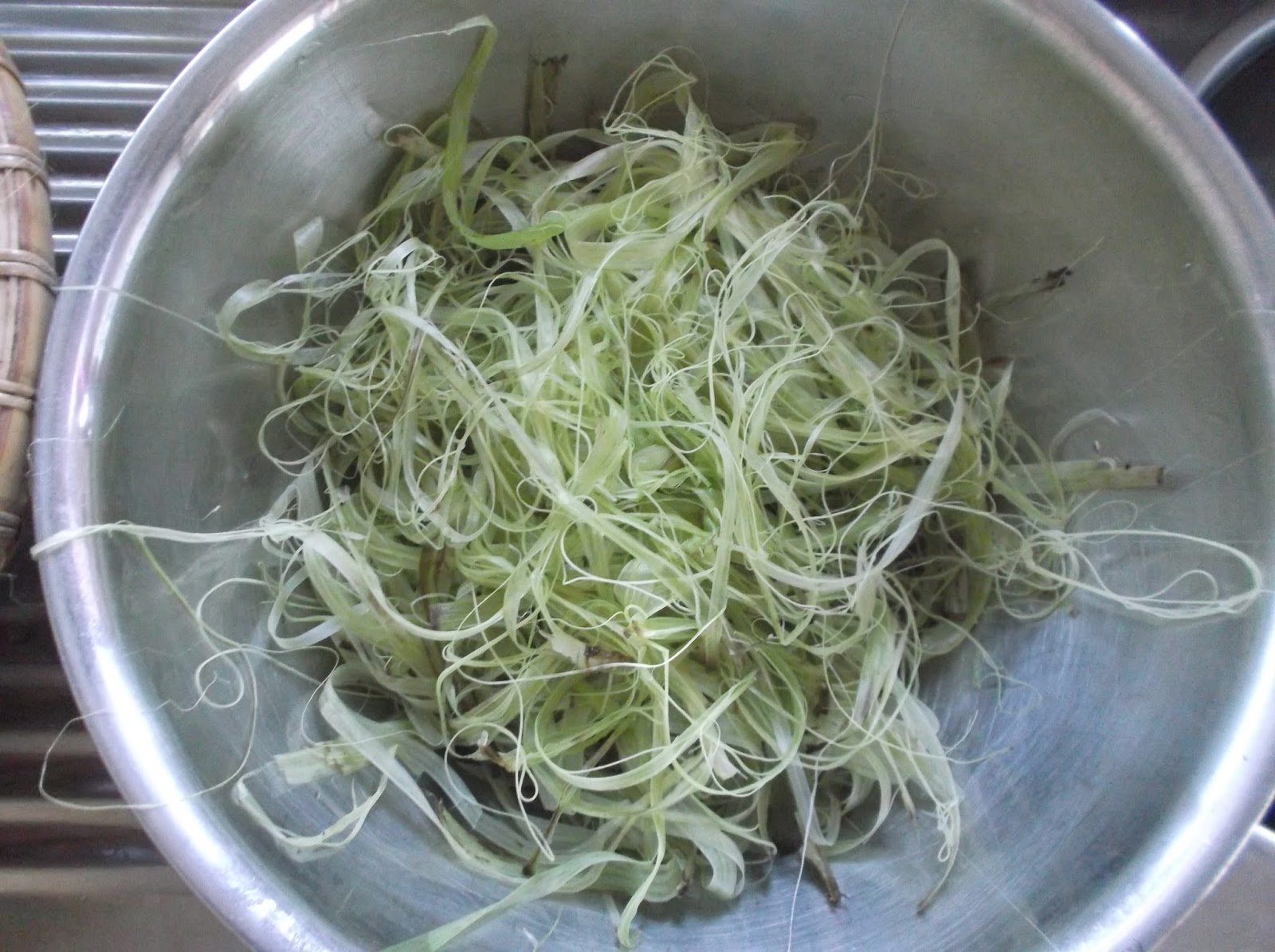
My parents did most of the work for me. They complained that the fuki were tough. I guess I should have boiled them much longer (10 minutes or more).
両親がこの作業の大半をやってくれました。ふきが固いと言われました。もっと長く(10分以上?)茹でるべきだったかも知れません。

May 20, 2017

Seri Tempura/せりの天ぷら

As I described here in my blog, I planted the roots of store-bought seri in a small patch in the yard around the house late February.
このブログのここで述べたように、2月下旬、家の周りの庭に、市販のせりの根を植えました。
They are now thriving!
すくすく育っています。
As requested by my father, I made seri tempura using some of the seri as part of supper tonight.
父のリクエストで、このせりを少し使って、せりの天ぷらを夕飯に作りました。
First, I separated them into leaves (left) and stems (right).
まず、葉(左)と茎(右)に分けました。
I sprinkled some cake flour over the leaves, and added the egg and water mixture.
葉には薄力粉を振り掛け、卵と水を混ぜたものを入れました。
I added some more flour to adjust the texture of the batter.
薄力粉をもう少し足して、衣の硬さを調整しました。
I separated them into three batches.
3回に分けました。
 
First batch:
一回目:

Then I added the chopped stems to the bowl of the leftover batter.
刻んだ茎を、残りの衣が入ったボールに入れました。
 I put some flour to adjust the texture of the batter.
薄力粉を少し足して衣の硬さを調整しました。


My father and I agreed that the stem tempura was more aromatic and flavorful than the leaf tempura.
父も私も、葉の天ぷらより茎の天ぷらのほうがずっと香りがよく美味しいと思いました。
 
We also had soba (buckwheat noodles).
そばも食べました。

April 18, 2017

Removing Aku (Harshness) from Warabi (Bracken Fern)/蕨(わらび、ワラビ)の灰汁(あく)抜き

While talking with my parents about warabi (young shoots of bracken fern), I realized that they did not know a proper way to remove aku from warabi. They said they boiled warabi in a pot of water plus baking soda for some time.
Well, recipes for removing aku (harshess) from warabi vary. Some recipes do say to boil warabi, but only for ten to twenty seconds. I, for one, do not boil warabi. I made a mistake of boiling warabi for aku removal once, and the warabi ended up being pulpy, losing all of its flavor.
両親とワラビについて話している時、両親はワラビの灰汁を抜く正しい方法を知らないことに気付きました。ワラビは重曹を入れたお湯で茹でるそうです。
ワラビの灰汁抜きの方法は色々あり、ワラビを茹でる方法もありますが、それでも10~20秒程度です。私自身はワラビは茹でません。一度、ワラビの灰汁を抜くのに茹でるという間違いを犯しましたが、ワラビは紙を食べているような食感で、風味がまったくなくなってしまいました。

Here are the warabi my father picked up today from two places.
今日、父が二か所から採ってきたワラビです。 
Much shorter and thinner than the ones I used to pick up in the Snow Country.
雪国で私が採っていたワラビよりずっと短く、細いです。

0. Wash warabi.
1. Bring water (about 2 liters in the photo) to a boil. Turn off the heat.
2. Add 1-2 tsp baking soda per liter water.
3. Add warabi and leave them overnight.
0. ワラビを洗う。
1. お湯を沸かし(写真では2リットル程度)、火を止める。
2. 重曹をお湯1ℓにつき小さじ1、2杯入れる。
3. ワラビを入れ、一晩置く。

Last night:
昨晩:
This morning:
今朝:
4. Rinse with several changes of water.
4. 水を何回か換えて、洗う。
My parents like to have them with mayonnaise.
両親はマヨネーズで食べるのが好きです。
I am no big fan of warabi. Besides, the warabi here in Chiba cannot be compared with the ones in the Snow Country.
私はワラビはあまり好きではないです。それに、千葉のワラビは、雪国のワラビと比べものになりません。

December 9, 2016

Seri Gohan/せりご飯

For today's lunch, my father made seri gohan.
今日の昼ご飯には、父が、せりご飯を作りました。
Seri is one of the sansai (edible wild plants) that my father likes, and he usually makes seri gohan, using the seri that grows in the yard around his house. Unfortunately, he cannot get any seri from it this year, so he bought three bunches of seri at the supermarket yesterday.
せりは父が好きな山菜の一つで、いつもは、家の周りの庭で採れたせりで、せりご飯を作ります。残念なことに、今年は庭でせりが出来ず、昨日、父はスーパーで、せりを3束も買ってきました。

Gohan means cooked rice.
ご飯とは、炊いたお米のことです。

Making seri gohan is easy. Boil seri for some time, drain, and squeeze. Put some oil in a frying pan, put boiled seri, add gohan (cooked rice), and season with salt or say sauce.
せりご飯を作るのは簡単です。せりをちょっと茹でて、水を切り、絞り、フライパンに油を入れ、茹でたせりを入れ、ご飯を入れ、塩か、しょう油で味付けします。

May 15, 2015

Kogomi and Kinome/こごみと木の芽

I just don't know how many times I have posted about these two sansai (edible wild plants) here in my blog. I'd hate to make repetitious posts about the same topic, but then again, I just can't resist the temptation to show some photo here, because I love sansai, just like most Japanese. So, here they are.
このブログでこれまで何回、この二種類の山菜ついて書いてきたか、分かりません。同じ話題について繰り返し書きたくないのですが、とはいえ、多くの日本人と同様、山菜が大好きなので、写真を少し載せたい気持ちを抑えることができないので、ちょっとだけ載せます。。

Kogomi or kogome (young shoots of ostrich fern (fiddleheads)):
こごみ、またはこごめ(ostrich fernの若芽(fiddleheads):


kinome (young shoots of three-leaf akebia):
木の芽(三つ葉アケビの若芽):
In other parts of Japan, kinome means young leaves of sansho (Japanese pepper).
日本の他の地域では、木の芽とは山椒の若葉のことです。

Both sansai were boiled for two minutes or so, drained, cooled in cold water, drained again, and had with any of ponzu, mayonnaise, and katsuobushi.
ともに、2分ほど茹でて、水を切り、冷水で冷まし、再度水を切り、ポン酢、マヨネーズ、鰹節で食べました。

April 26, 2014

Kanzo (Daylily) Stir-Fry and Ohitashi/カンゾウの炒め物とおひたし

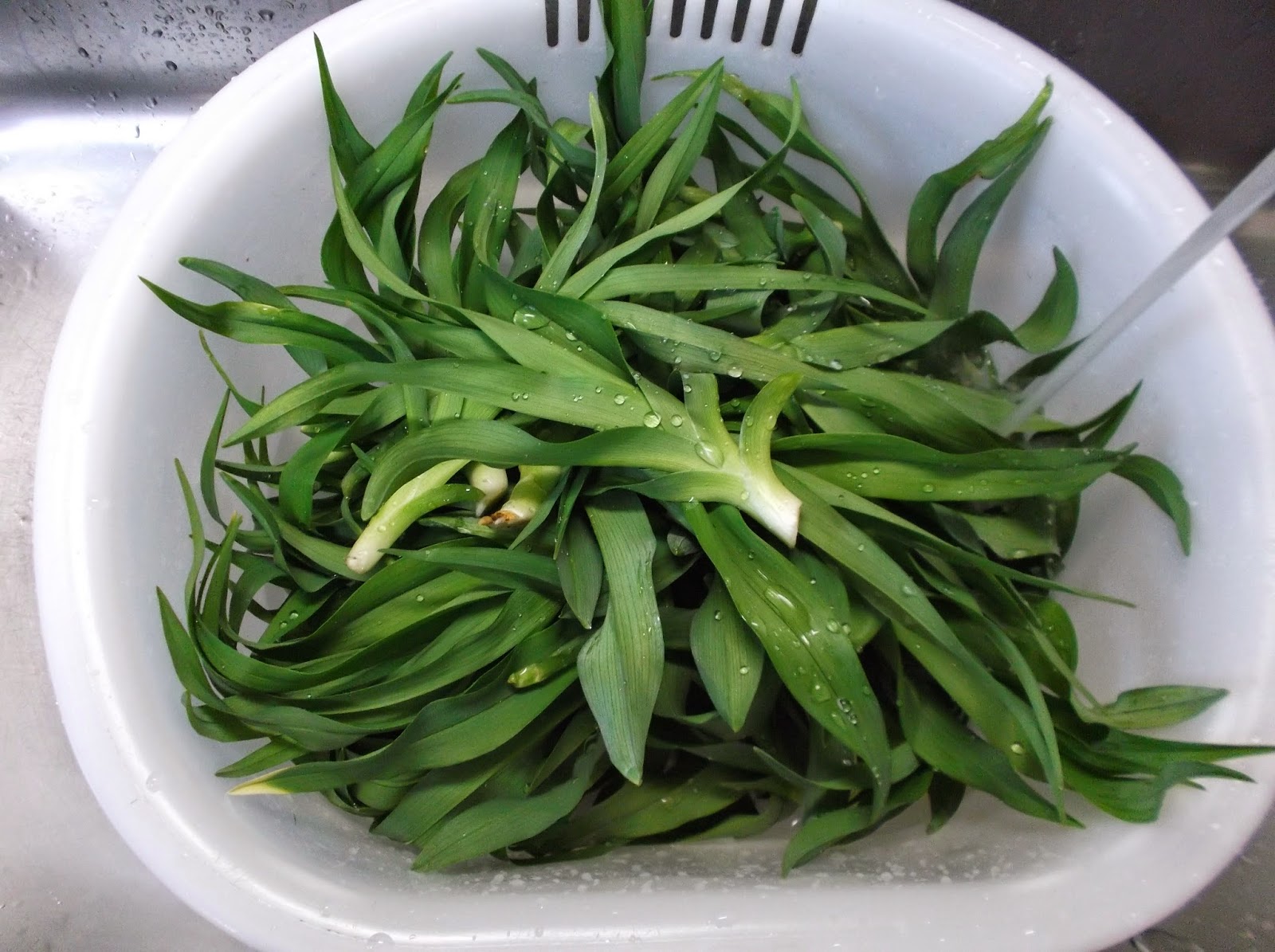
Today, I asked my son to get some young leaves of kanzo (daylily). He went to the riverside to get this much. 
今日は、息子にカンゾウの若葉を少し採ってくるよう頼みました。川岸に行って、これだけ採ってきました。
 
I stir-fried two-thirds of them with ham, wiener sausages, eggs, and sesame oil. I seasoned them with salt, instant dashi, and soy sauce.
2/3はハム、ウインナーソーセージ、卵、胡麻油で炒め、塩、出汁の素、醤油で味付けしました。
I boiled the remaining ones for less than 2 minutes. We had them as ohitashi.
残りは2分未満茹でて、おひたしとして食べました。
It's good to know that something this delicious can be had for free!
こんなに美味しいものがタダで手に入るっていいことです!

April 12, 2014

Kogomi (Ostrich Fern Fiddleheads)/こごみ

Today, I saw packs of kogomi sold at the supermarket for the first time in this season, and I grabbed one.
今日は、今シーズン初めてスーパーでこごみが売られていたので、一つかいました。
Note: Kogomi is a common name in Japan. Here in the Uonuma region of Niigata, however, people often call the sansai kogome.
注: こごみが日本では一般的な名前ですが、新潟の魚沼地方では、こごめと言うほうが多いです。

My wife boiled them for a few minutes. They were slightly on the soft side. I would have boiled them for only two minutes.
妻が数分茹でました。ちょっと柔らかめでした。私なら、2分しか茹でないのですが。
I had them with ponzu only, my son with mayo only, and my wife and daughter with ponzu and mayo.
私はポン酢だけで、息子はマヨネーズだけで、妻と娘はポン酢とマヨネーズで食べました。

Other dishes we had for tonight's supper include chicken and cheese fries.
他に今日の夕飯で食べたものの一つは鶏とチーズのフライ。

Salmon marinated in "shio koji" (lit. salt rice malt):
塩麹漬けサケ
For lunch today, I had potato salad sandwiches.
今日の昼ごはんにはポテトサラダサンドを食べました。
The potato salad was, of course, leftovers from the previous night's supper.
ポテトサラダはもちろん、前日の夕飯の残りです。

For lunch the day before yesterday, I had katsu sando (pork cutlet sandwiches).
おとといの昼ごはんにはカツサンドを食べました。
The katsu was leftovers from the previous night's supper.
カツは前日の夕飯の残りです。

May 8, 2013

Three Major Poisonous Plants in Japan/日本三大有毒植物

The three major poisonous plants in Japan are torikabuto, doku zeri, and doku utsugi.
日本の三大有毒植物はトリカブト、ドクゼリ、ドクウツギです。

1. トリカブト, 鳥兜, torikabuto = Aconitum, aconite
The leaves resemble those of nirinsou (Anemone flaccida). Nirinsou is a favorite sansai. The two plants can be found in the same place.
葉はニリンソウ(二輪草)に似ています。ニリンソウは山菜です。両者は同じ場所に生えていることがあります。
Images of torikabuto/トリカブトの画像
Images of nirinsou/ニリンソウの画像

2. ドクゼリ, 毒芹, doku zeri = Cicuta virosa, water hemlock
The leaves resemble those of seri (water dropwort), one of the haru no nana kusa (seven herbs of spring). The two plants can be found in the same place.
歯はセリに似ています。セリは春の七草のひとつです。両者は同じ場所に生えていることがあります。
Images of doku zeri/ドクゼリの画像
Images of seri/セリの画像

3. ドクウツギ, 毒空木, doku utsugi = Coriaria
Images of doku utsugi/ドクウツギの画像

April 14, 2013

Fukinoto and Yomogi Tempura/フキノトウとヨモギの天ぷら

Last night, my son said he wanted to have fukinoto tempura, so I decided to make fukinoto tempura, as well as yomogi (mugwort) tempura, for supper tonight, in place of my wife.
昨晩は、息子がフキノトウの天ぷらを食べたいと言うので、今日の夕飯には、妻の代わりに私がフキノトウの天ぷらやヨモギ(よもぎ、蓬)天ぷらを作ることにしました。
 
So, today, around noon, I went out to get some yomogi. Fortunately, my wife got a bag of fukinoko from her sister in the morning.
というわけで、今日、昼ごろ、ヨモギを取りに出かけました。運よく、フキノトウは午前中に妻がお姉さんからもらってありました。
 
My kobushi tree almost bloomed.
うちのコブシの木はもう花が咲きそうです。 

I went to the river bank, but unfortunately, I found NO moyogi there!
川岸に行きましたが、あいにく、ヨモギは全然ありませんでした!
Kanzo (daylilies) were too small to pick.
カンゾウはまだ小さくて採れませんでした。

Fukinoto (butterbur sprouts):
フキノトウ:
Young shoots of itadori (Japanese knotweed):
イタドリの若芽:
There was hardly any snow left in the snow dumping site.
雪の堆積場にはもう雪は殆ど残っていませんでした。
I remembered that I had some yomogi in my small yard.
うちの小さな庭にヨモギが少しあるのを思い出しました。

You can see both tsukushi and sugina in the photo below.
次の写真にはツクシ(土筆、つくし)とスギナ(杉菜、すぎな)が見えます。
Tsukushi and sugina are the same plant, horsetail. Because of the name, however, some Japanese seem to believe that sugina (sugi = cedar, na = greens) is related to cedar.
ツクシとスギナは同じ植物ですが、スギナ(杉菜)はその名前のせいで、日本人の中には、杉と関係あると思っている人がいるようです。

Luckily, I found these yomogi in my yard.
運よく、うちの庭にヨモギがありました。
Before three thirty, I finished preparing the ingredients for tempura.
3時半までに、天ぷらの具の下準備が終わりました。


Close-up:
クローズアップ:

At five in the evening, I started to make tempura. I didn't use all the fukinoto or yomogi. Because I'm on a diet, I just can't continue to eat leaftover tempura for lunch for days.
夕方5時に、天ぷらを作り始めました。フキノトウとヨモギは全部使いませんでした。ダイエット中なので、何日も昼食に残りの天ぷらを食べ続けたくないので。
I boiled the two packets (2 x 300 g) of inaka (lit. country) soba (buckwheat noodles) that I recently bouth at the 100-yen shop. Shown in the photo is about half the soba I boiled.
最近100円ショップで買った田舎そばを2パック(2 x 300 g)茹でました。 写真に写っているのは茹でたそばの約半分です。
The soba was much better than I had anticipated.
そばは思ったよりずっと美味しかったです。

Fukinoto tempura is bitter, and you can have two or three pieces only. Like I said previously, I think that yomogi tempura is much better than shiso (perilla) tempura.
フキノトウの天ぷらは苦いので、二つか三つしか食べれません。前にも言いましたが、ヨモギの天ぷらはシソの天ぷらよりずっと美味しいと思います。