February 6, 2014

Wedding Ceremony and Reception, Part 3/結婚式と披露宴、パート3

The reception ended at around 15:00. I took a free shuttle bus to Shin Osaka Station with my father and brother and saw them off, who took the 16:17 Shinkansen for Tokyo. I had to kill time in Osaka until the expressway bus arrived at Osaka Station at 22:00. I walked from Shin Osaka Station toward Osaka Station. I spent time in Loft (store that sells household commodities), MARUZEN & JUNKUDO (bookstore), and Hankyu Umeda Main Store (department store), among others.
披露宴は15:00頃終わり、私は父と兄と一緒に新大阪駅行きの無料シャトルバスに乗り、16:17発の東京行きの新幹線に乗る二人を見送りました。大阪駅に22:00に高速バスが着くまで大阪で暇をつぶしました。新大阪駅から大阪駅方面に歩いて行き、Loft、丸善&ジュンク堂書店、阪急梅田本店(デパート)などで過ごしました。
 
I decided not to have supper, because I had more than enough at the reception. I went to a Doutor coffee shop and ordered one M size coffee.
披露宴で十分すぎるほど食べたので夕飯は食べないことにしました。ドトールコーヒーに行って、Mサイズのコーヒーを頼みました。 
250 yen. When I was in my early 20s, they offered a cup of coffee for 150 yen...
250円でした。20代前半の頃、コーヒー一杯150円だったのですが...。

Doutor Coffee is probably the only major coffee shop chain that roasts their coffee with a direct-flame roasting method. They have developed direct-flame roasters with capacities of 120 kg and 200 kg by themselves.
多分、ドトールコーヒーはコーヒーを直火式で焙煎している唯一の大手コーヒーショップチェーンです。容量120 kg、200 kgの直火式焙煎機を自ら開発しています。

Edited to add a link to the webpage describing the history of Doutor Coffee:
ドトールコーヒーの歴史を説明するページへのリンクを追加:
Link/リンク

The expressway bus arrived at Nagaoka at around 6:30 the next day, that is, February 2. I was pretty exhausted because I couldn't sleep well.
高速バスは長岡に翌日、つまり2月2日の6:30頃着きました。よく眠れなかったので、疲れ切っていました。

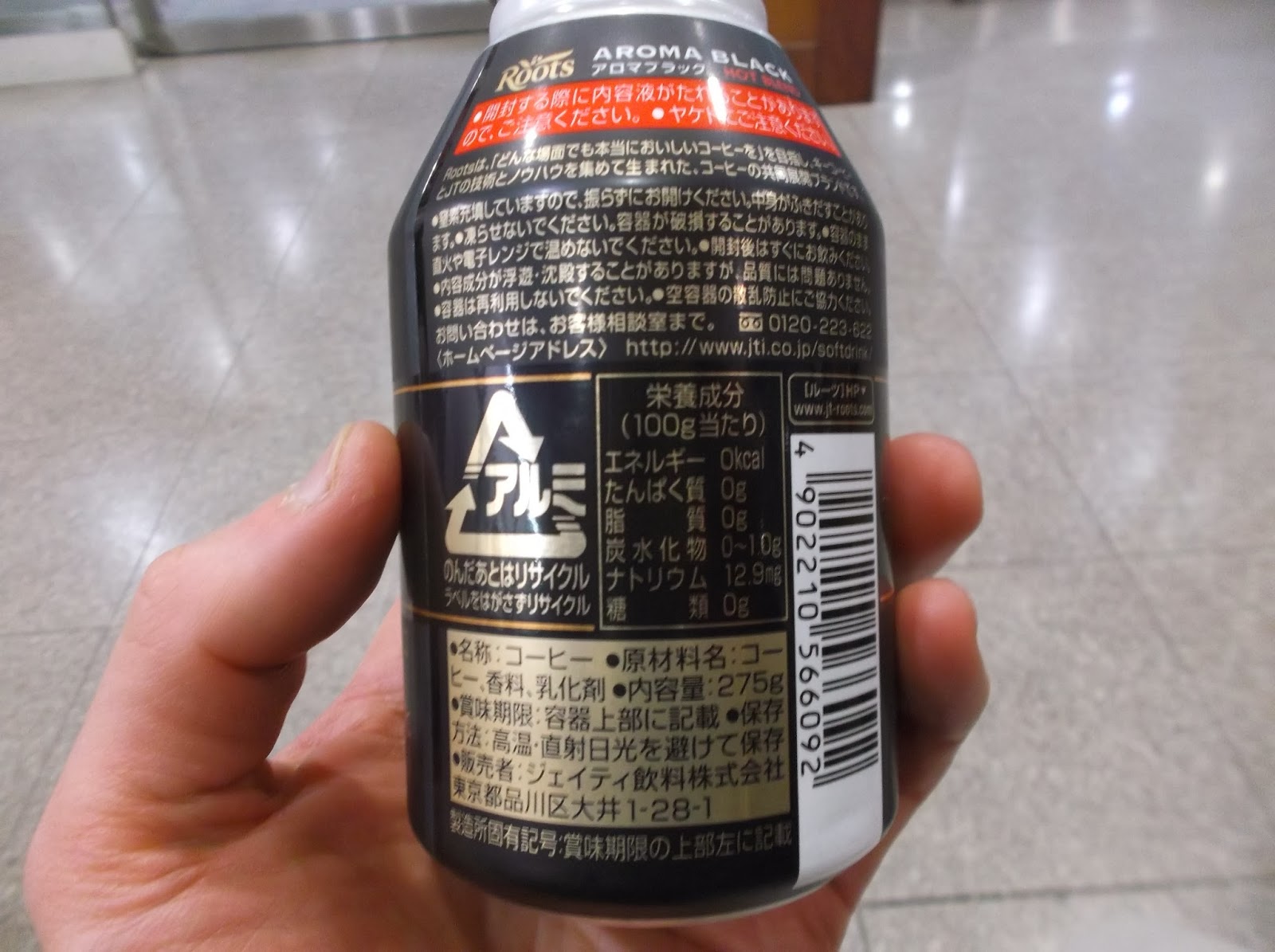
I had this obento and canned coffee in the waiting room of Nagaoka Station.
長岡駅の待合室で、このお弁当を食べ、缶コーヒーを飲みました。
The obento was good enough,
お弁当は美味しかったですが、 
I wasn't particularly fascinated by this canned coffee.
この缶コーヒーには特に感動しませんでした。 
I like the cold version of this brand.
このブランドの冷たいバージョンは好きなのですが。 
I took a 7:43 train and returned home before 9:00.
7:43発の電車に乗り、9:00前に帰宅しました。
 
The "hikidemono" (present from the bride and groom to each guest) was:
引き出物は:
cheesecake and a catalog from which you can select one item.
チーズケーキと、一品選べるカタログでした。 
I discussed with my family, and selected the barbecue grill set.
家族と相談して、バーベキューグリルのセットを選びました。
 
Here is the present I bought for my family at the Hankyu department store:
阪急デパートで家族のために買ったお土産です。 
Two types (soft and hard) of Baumkuchen.
二種類(ソフトとハード)のバームクーヘンです。 
 

Edited to add a link to Rich Field, which produces MOUNT DEKO and MOUNT BOKO.
MOUT DEKOとMOUNTO BOKOを作っているRich Fieldへのリンクを追加:
Link/リンク

Note: I have no affiliation with Doutor Coffee or Rich Field.
注: 私はドトールコーヒーやRich Fieldと関係はありません。
***
I truly enjoyed my niece's wedding ceremony and reception. I wish the new couple well!
姪の結婚式、披露宴は本当に楽しかったです。お二人の幸福をお祈りします!

February 5, 2014

Wedding Ceremony and Reception, Continued/結婚式と披露宴、続き

In the preceding post, I forgot to write:
1. The staff started accepting go-shuugi (gift money) from the guests at 10:30.
2. Before we entered the reception room, the bride tossed her bouquet to the female guests, and the groom threw an extra large bag of potato chips to the male guests.
3. In Japan, three types of wedding ceremony are common: kyokai-shiki (chapel-style), shinzen-shiki (Shinto-style), and jinzen-shiki (civil, non-religious).
Note that selecting a chapel-style wedding ceremony doesn't necessarily mean that the couple is Christians. The same is true of the Shinto-style.
先のポストで、書き忘れました:
1. スタッフの人たちは10:30に出席者からのご祝儀(しゅうぎ)の受付を始めました。
2. 出席者が披露宴会場に入る前、新婦は女性客にブーケを投げ、新郎は男性客に特大のポテトチップの袋を投げました。
3. 日本では、3種類の結婚式が一般的です: 教会式、神前(しんぜん)式、人前(じんぜん)式。
教会式結婚式を選んだとしても、新郎新婦がクリスチャンとは限りません。神前式でも然り(しかり)。
 
Now, let me talk about the menu!
さて、メニューについて話します!
 
Foie gras de canard sautee, with truffle and mushroom risotto  
フォアグラ ド カナールソテー トリュフと茸のリゾット添え
Two types of bread
二種類のパン 
Red sea bream and conger eel streamed with turnip
真鯛と穴子のかぶら蒸し
Another type of bread
別の種類のパン 
Hirame (olive flounder) vapeur, made into a campus, with ginger-flavored butter sauce
キャンパス仕立ての平目のヴァプール しょうが風味のバターソースで 
Parfait amour (infusion)
パルフェ タムール(アンフュージョン) 
The server said it was "flavor tea".
接客係の人は「フレーバーティー」と言ってました。

Fillet and Japanese-style vegetables takiawase (cooked separately but served together), made into pot-au-feu
O-sekihan (glutinous rice cooked with azuki beans) with chestnut in it
フィレ肉と和風野菜の多喜合わせ ポトフ仕立て
栗入りお赤飯 
Takiawase is usually spelled 炊き合わせ (cooked first and then served together), but here, the kanji meaning "many joys joining" (多+喜+合) are used.
Takiawaseは普通は炊き合わせと書きますが、ここでは「多くの喜びを合わせる」という意味の漢字を使っています。

Cross section
断面  
O-sekihan 
O-sekihan is what the Japanese like to have on an auspicious occasion.
お赤飯は、めでたい時に日本人が食べたがるものです。
 
A piece of cake that I got from the bride.
新婦からもらったケーキ。 
More sweets!
お菓子はもっとあります! 
 
Macaroon
マカロン 
Correction: The correct spelling of this confection is macaron, with a single o, not macaroon. To be more precise, macaron is a French word, and macaroon is an English word for macaron! To make things more complicated, there is a confection called macaroon in the United States and elsewhere.
(Thanks to okasan for her comments.)
訂正:このお菓子の正しい綴りはmacaroonではなくmacaronでした。正確に言うと、macaronはフランス語で、macaroonはmacaronを意味する英語です!さらに複雑なことに、米国などではmacaroon(マカルーン)というお菓子もあります。
(okasanさん、コメントありがとうございます。)
 
 
Cheese cake (if I remember correctly)
チーズケーキ(記憶が確かなら) 
Near the end of the reception, I drank a cup of coffee.
披露宴の終わり近く、コーヒーを一杯飲みました。 
After the reception ended, the bride and groom and their parents lined up to express their thanks to the guests one by one. The bride gave everyone this present:
披露宴が終わってから、新郎新婦と両親が参加者一人一人に感謝を述べるため並びました。新婦はみんなにこのプレゼントをくれました。
To be continued.
続く。


February 4, 2014

Wedding Ceremony and Reception/結婚式と披露宴

Last Friday night, I left home past 18:10 to take an 18:59 train to Nagaoka, where I waited for two hours to take a 22:05 expressway bus for Osaka Station to attend my niece's wedding. The bus arrived at Osaka Station at around 6:30 the next day. I'm not sure how long I could sleep in the bus. Maybe one or two hours. The station was surprisingly deserted. I wandered around, and quite luckily, I found one bakery that opens at 7:00. I later knew it was a dominique saibron shop.
先週の金曜の夜、18:10過ぎに家を出て、長岡行きの18:59発の電車に乗り、長岡で2時間待って、22:05発の大阪駅行きの高速バスに乗りました。姪の結婚式に出席するためです。バスは翌日の6:30頃に大阪駅に着きました。バスの中で何時間寝れたかはっきりしません。1、2時間かも知れません。駅は驚くほど人気(ひとけ)がありませんでした。歩き回り、運よく、7:00に開くパン屋さんを見つけました。後で、ドミニク・サブロンの店だと分かりました。
  
The hot morning coffee was 210 yen.
ホットモーニングコーヒーは210円でした。 
I was the first customer of the day. When I left the shop at around 8:10, the shop was about 70-80% full.
私がその日の最初の客でしたが、8:10頃店を出る頃には、席が7~8割うまっていました。

I took a free shuttle bus at 9:00, and reached the wedding hall before 9:20. I immediately put on my formal attire (reifuku in Japanese) in the dressing room for the bride's relatives, went to the waiting room for the bride's relatives, and talked with my father, who was already there, and other relatives. The "introduction to relatives" started at 11:00, and the wedding ceremony was held in the chapel located in the premises of the wedding hall at 11:30. After the end of the wedding ceremony, everyone was given a handful of petals, and waited for the bride and groom to appear. After receiving a flower shower, the bride and groom tolled the bell together.
9:00に無料シャトルバスに乗り、9:20前には結婚式場に着きました。すぐに新婦側の着替え室で礼服に着替え、新婦側の待合室に行き、すでに来ていた父や他の親族と話をしました。「親族紹介」が11:00に始まり、結婚式は結婚式場の敷地内にある教会で11:30に行われました。結婚式の後、皆、花びらを一握りもらって、新郎新婦が現れるのを待ちました。フラワーシャワーの後、新郎新婦は一緒に鐘を鳴らしました。   
The guests then headed for the reception hall, and on our way there, we were offered these and others.
それから出席者たちは披露宴会場に向かいましたが、その途中、こんなおもてなしがありました。
 
 
In the reception hall, I found my seat.
披露宴会場で自分の席を見つけました。 
A pair of chopsticks!
箸もありました!

To be continued.
続く。

January 28, 2014

黄金ガレイの煮付け/Simmered Yellow Sole

As part of supper tonight, I made kogane garei no nitsuke (simmered yellow sole).
今日の夕飯には黄金(こがね)ガレイの煮付けを作りました。
 
I used this junmai hon mirin.
この純米本みりんを使いました。
The raw ingredients are mochi rice (produced in Thailand), rice malt (made from rice produced in Thailand), and brewer's alcohol.
原材料は、もち米(タイ産)、米こうじ(タイ産米)、醸造アルコールです。 
I previously made men tsuyu (noodle soup) using this junmai hon mirin, and found the men tsuyu was slightly better than my usual version, made with mirin-fu chomiryo (mirin-like seasoning).
前にこの純米本みりんを使って麺つゆを作り、私のいつもの、みりん風調味料で作ったものより少しは美味しいと思いました。
 
The water + sake, mirin, and soy sauce ratio was 5:1:1.
Thus, I used
100 ml water + sake
20 ml mirin
20 ml soy sauce 
水+酒、みりん、しょう油の割合は5:1:1。
よって、
水+酒 100 ml
みりん 20 ml
しょう油 20 ml
使いました。
 
I simply rinsed each fillet with running water, made an x cut in the middle, and put in a large frying pan.
切り身をそれぞれ流水で洗って、真ん中にX字の切り込みを入れ、大きなフライパンに入れました。 
 
Shimofuri (frosting) is a common step, but I omitted it. (I once did shimofuri, but I didn't like the resulant flavor; I thought that shimofuri made the fish bland.) I added the seasonings mentioned above, brought to a boil, placed two sheets of paper towel in place of an otoshi buta, and simmered for less than 10 minutes until done.
霜降りが一般的ですが、私は省略しました(以前に霜降りをしたことがあるのですが、味が気に入りませんでした。霜降りをしたせいで、魚が味気なくなったと思いました)。上記の調味料を入れ、沸騰させ、落し蓋の代わりにキッチンペーパーを2枚載せ、火が通るまで10分未満煮ました。
 
If you like yours on the sweet side, add some sugar.
甘くしたければ、砂糖を少し足して下さい。
 

January 27, 2014

Okonomiyaki with Yamato Imo in It/大和芋入りのお好み焼き

Late last year, my father sent us this yamato imo together with other foodstuffs.
去年末、父からこの大和芋(やまといも、ヤマトイモ)や他の食材をもらいました。
My father said he got some yamato imo from an acquaintance. Yamato imo is a type of yama imo (lit. "mountain potato", yam). I've never seen yamato imo of such a strange shape.
Images of yamato imo
知り合いから大和芋をもらったそうです。大和芋は山芋の一種です。こんな奇妙な形のヤマトイモを見るのは初めてです。
 
We used it to make tororo soba first, and then mugi toro.
まずはとろろそばに、次に麦とろに使いました。

And, as part of supper last night, I used the rest of the yamato imo to make okonomiyaki.
そして、昨日の夕飯に、残りのヤマトイモを使ってお好み焼きを作りました。
 
About 500 g.
約500 gです。

I don't like to peel the yamato imo because the skin is not thick and the part just below the skin is the most delicious part, but I peeled most of the skin because it was very soily, even after I scrubbed it with a tawashi.
大和芋の皮は薄く、また皮のすぐ下の部分が最も美味しい部分なので、皮を剥くのは嫌いなのですが、束子(たわし)でこすっても泥がついているので、皮は大部分剥きました。 
I added 600 g cabbage, and checked the texture. Then, I decided to add:
100 g flour
1 tbsp baking powder
200 ml milk
1 pack of sakura ebi (dried small shrimp)
キャベツを600 g入れ、柔らかさをチェックしました。 そして、次のものを入れることにしました:
小麦粉100 g
ベーキングパウダー 大さじ1
牛乳 200 ml
桜えび 1パック
I made four okonomiyaki in total, using two 18-cm diameter frying pan.
直径18 cmのフライパンを2つ使って、お好み焼きを全部で4枚作りました。 
My trick for flipping over using a plate worked fine, even though the dough is very soft because of the addition of yamato imo.
大和芋を入れたため、生地はとても柔らかいですが、私の、お皿を使ってひっくり返す技はうまく行きました。  
 
We also had leftover tonjiru (pork soup) and some other leftovers.
残りの豚汁や他の残り物も食べました。 
I also boiled some natsumikan peels. They are now in the fridge. I will simmer them with sugar later.
夏みかんの皮も茹でました。冷蔵庫にしまってあります。後で砂糖で煮ます。  
I almost forgot to upload this photo:
この写真をアップするのを忘れてました:
As always, my okonomiyaki is moyo-less.
いつも通り、私のお好み焼きは、マヨ抜きです。

January 19, 2014

A Practical Guide on Making a Coffee Roaster/コーヒー焙煎機を作るための実践的ガイド

First of all, here is an overview of my three coffee roasters.
まずは、私が持っている3種類のコーヒー焙煎機の概説です。
 
1. Milk can roaster
Bottom diameter: 13 cm
Height: 18 cm
Recommended amount of coffee beans to roast at a time/maximum capacity: 150/200 g
Features: With its appropriate number of holes with an appropriate size on the bottom, this roaster is designed so that first crack occurs in 12-14 minutes after the start of roasting when used with a 2,500 kcal/h portable gas burner (set to high right from the beginning).
Because of its great height, exhaust air control is "automatic".
Suitable for beginners.
1. ミルク缶焙煎機
底面の直径:13 cm
高さ:18 cm
一度に焙煎するコーヒー豆の量、推奨/最大:150/200 g
特徴:底面に適切なサイズの穴が適切な数だけ開いており、2,500 kcal/hのカセットコンロ(最初から「強」にセット)を使えば、焙煎後12~14分後に1はぜが起きるように設計されている。
高さがあるため、排気コントロールは「自動」。
初心者向き。
 
Six, twelve, and twelve holes on the circumferences of 2, 4, 5.5 cm radius circles.
The diameter of each hold is about 3 mm.
半径2、4、5.5 cmの円周上に穴が6、12、12個。
それぞれの穴の直径は約3 mm。
One big drawback is that it tends to escape the flame when you shake it up and down.
大きな欠点の一つは、上下に振る時に炎が逃げる傾向にあることです。 
 
2. Kettle roaster
Bottom diameter: 19.5 cm
Height: 9 cm
Recommended amount of coffee beans to roast at a time/maximum capacity: 200/250 g
Features: Because of its shape (narrow at top), keeps the heat in, so that it tends to roast coffee in a short period of time.
(First crack occurs 9 minutes after the start of roasting no matter how I try to control the heat.)
No need to place the lid.
Should be ideal for those who prefer dark roast coffee.
2. やかん焙煎機
底面の直径:19.5 cm
高さ:9 cm
一度に焙煎するコーヒー豆の量、推奨/最大:200/250 g
特徴:その形状(上が狭い)のため、熱がこもり、焙煎が短時間になる傾向。
(どんなに火力を調整しても、焙煎開始9分後に1はぜが起きる。)
蓋をする必要は、なし。
深煎りのコーヒーが好きな人には理想的でしょう。
8, 16, 16, and 16 holes on the circumferences of 2, 4, 6, and 8 cm radius circles
半径2、4、6、8 cmの円周上に穴が8、16、16、16個 
The bottom covers the entire flame range.
底面は炎の範囲全体をカバーしています。 
3. Shallow pot roaster
Bottom diameter: 24.5 cm
Height: 7 cm
Recommended amount of coffee beans to roast at a time/maximum capacity: 300/400 g
Features: For the initial ten minutes of roasting, you MUST cover the top with a lid or something similar (I use aluminum foil) to keep the humidity inside the pot high.
Unlike the two roasters above, you will shake it back and forth and sideways and move it in a circular motion to ensure even roasting.
3. 浅い鍋焙煎機
底面の直径:24.5 cm
高さ:7 cm
一度に焙煎するコーヒー豆の量、推奨/最大: 300/400 g
特徴: 焙煎の開始から最初の10分は、蓋など(私はアルミホイルを使ってます)で上部を覆い、鍋の内部の湿度を高く保つ必要があります。
上記の2つの焙煎機とは異なり、むらなく焙煎するには、前後左右に振ったり、円を描くように動かすことになります。
8, 16, 16, 16, and 16 holes on the circumferences of 2, 4, 6, 8, 10 cm radius circles
半径2、4、6、8、10 cmの円周上に穴が8、16、16、16、16個  
The bottom area is considerably larger than the flame range. That's why you have to shake the pot back and forth and sideways and move it in a circular motion.
底面の面積は、炎の範囲よりかなり大きいです。そのため、鍋を前後左右に振ったり、円を描くように動かす必要があります。
 
***
Now, based on the above description, you should be able to decide which type of coffee roaster you want to make. I personally recommend the third one because it can roast 300-400 g of coffee beans properly.
さて、これまでの説明で、どの種類のコーヒー焙煎機を作りたいか決められると思います。個人的には、3番目のがコーヒー豆を300~400 g焙煎できるので、お薦めします。

Lastly, from my experience, I wouldn't recommend a skillet, cast iron pot, or other heavy pot. For such pots, you can't make holes on the bottom with nails, you can't control the heat at will because of their high heat capacity, and you can't shake a heavy pot continuously for 14-16 minutes.
最後に、自分自身の経験から、フライパン、鉄鍋など重い鍋は薦めません。そういう鍋だと、釘で底に穴を開けられないし、熱容量が高いので、火力を自由に調節できないし、14~16分も振り続けられないからです。

To be continued. The next post will be a summary of direct flame roasting.
続く。次の記事は直火焙煎のまとめです。