October 11, 2014

Muikamachi Showa Retro Street/六日町昭和レトロ商店街(ストリート)

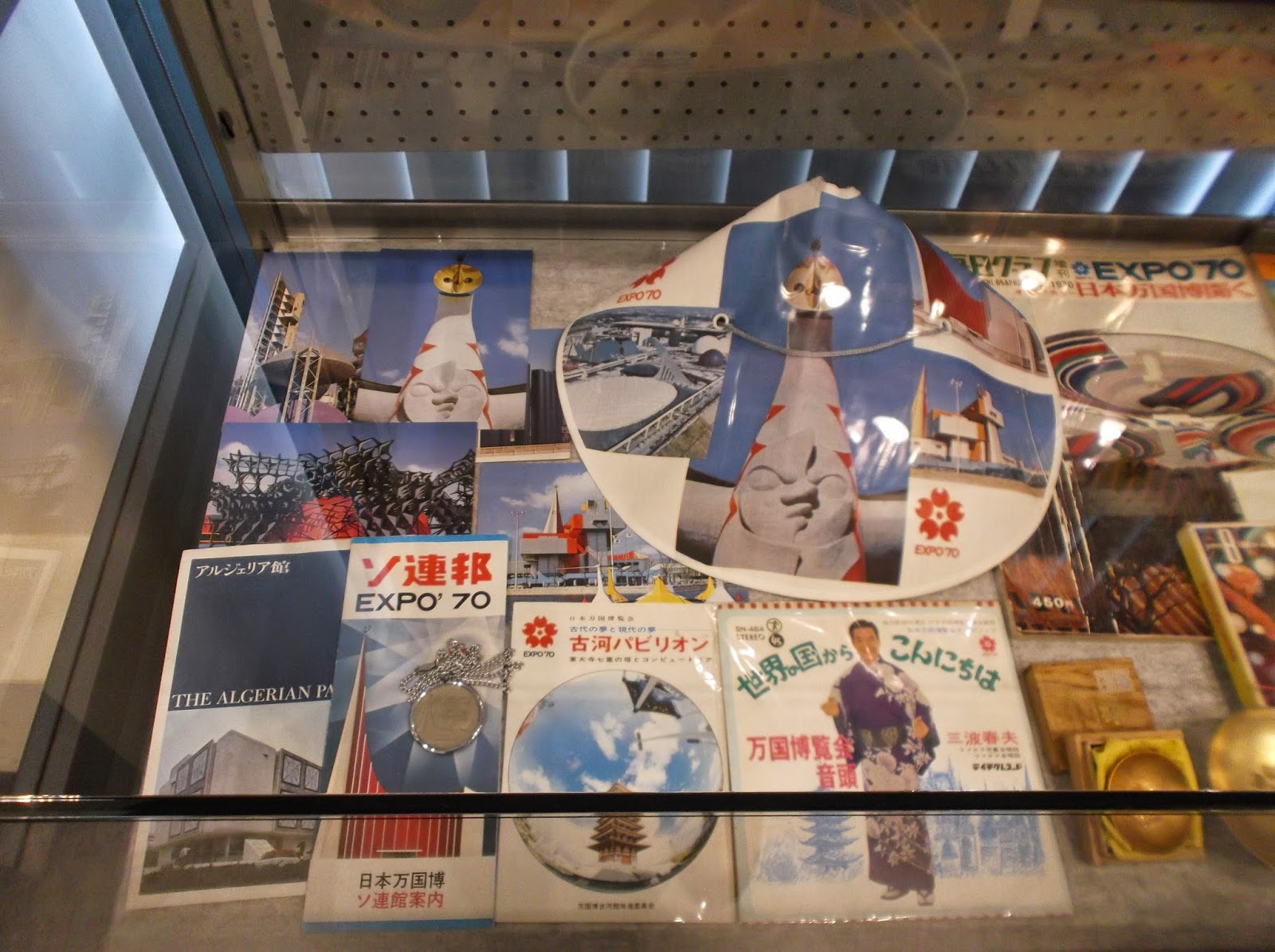
Today, I visited "Muikamachi Showa Retro Street", which is held in Minami Uonuma City Library, FM Yukiguni (radio station), and elsewhere from October 4 through December 3.
今日は、南魚沼市図書館、FMゆきぐに(ラジオ局)などで10/4~11/3まで開催している「六日町昭和レトロ商店街(ストリート)」に行って来ました。

Leaflet:
チラシ:

First, I went to the library.
まずは図書館に行きました。

Mostly photos only. Brief descriptions where appropriate.
主に写真だけです。短い説明を適宜入れます。


Pocky, CHOCO FLAKE, Saikoro (Die/Dice) Caramel, Coffee Gum, etc.
ポッキー、チョコフレーク、サイコロキャラメル、コーヒーガムなど。
Cocoa Cigarette, House Curry (roux), Bon Curry (retort-packed curry), etc.
ココアシガレット、ハウスカレー(ルー)、ボンカレー(レトルトカレー)など。


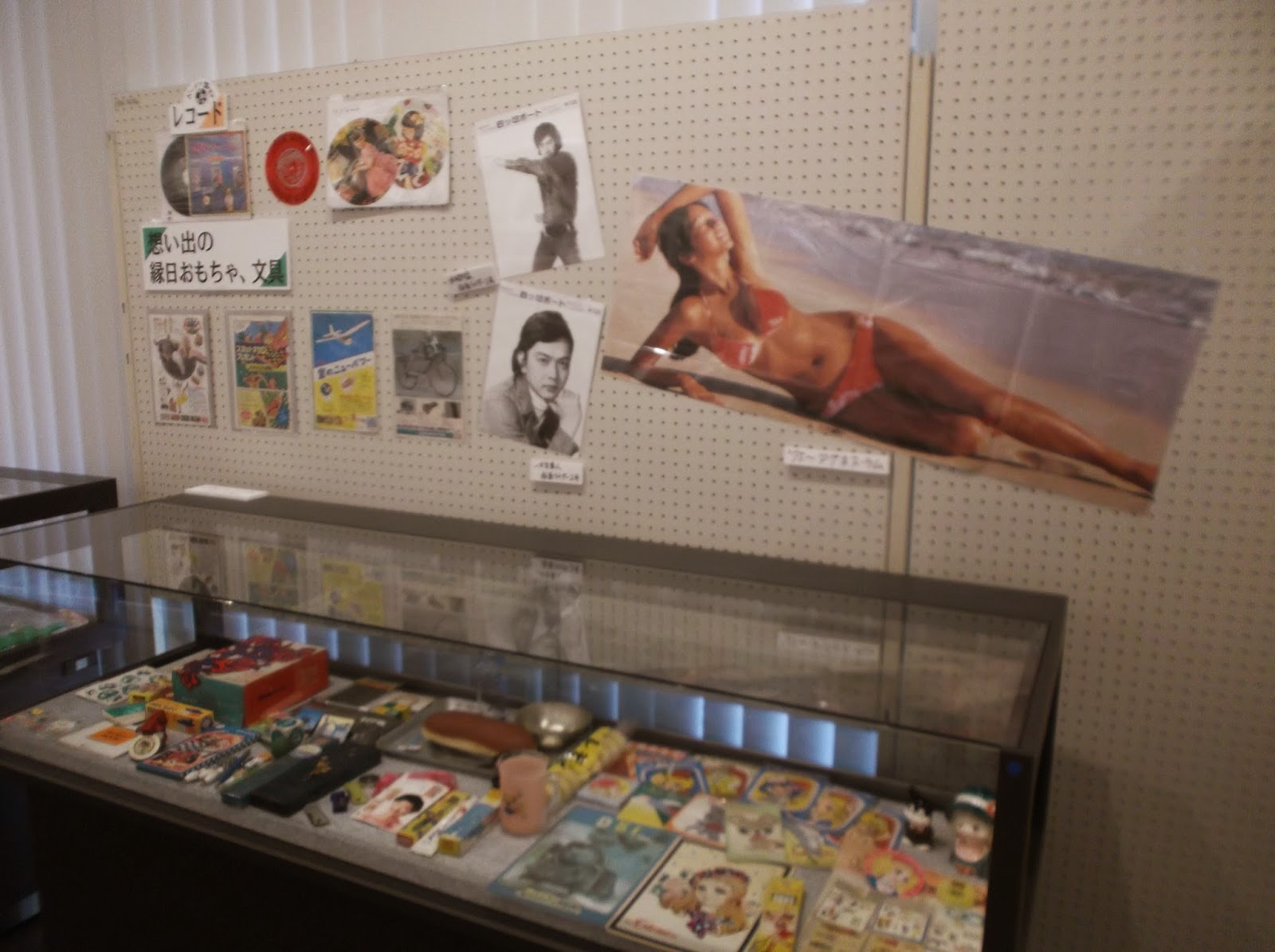
Agnus Lum!!!
アグネスラム!!!
Brings back memories!
懐かしい!

Aluminum eating utensils (dish, bowl, and tray) used for kyushoku (school lunch)
給食で使われたアルミ食器(皿、ボール、トレイ)

Pink Lady!
ピンクレディー!
Then, I went to FM Yukiguni.
次にFMゆきぐにに行きました。

Flexi disc (left)!
ソノシート(左)!


Vacuum tubes!!!
真空管!!!
Bring back memories!
懐かしい!

Record player!
レコードプレーヤー!

Baseball Pinball
野球盤
Dagashi (cheap sweet) stall
駄菓子屋さん

Tetsujin 28-go
鉄人28号
Astro Boy
鉄腕アトム

Peko chan
ペコちゃん

Obake no Q-tarō
オバケのQ太郎 


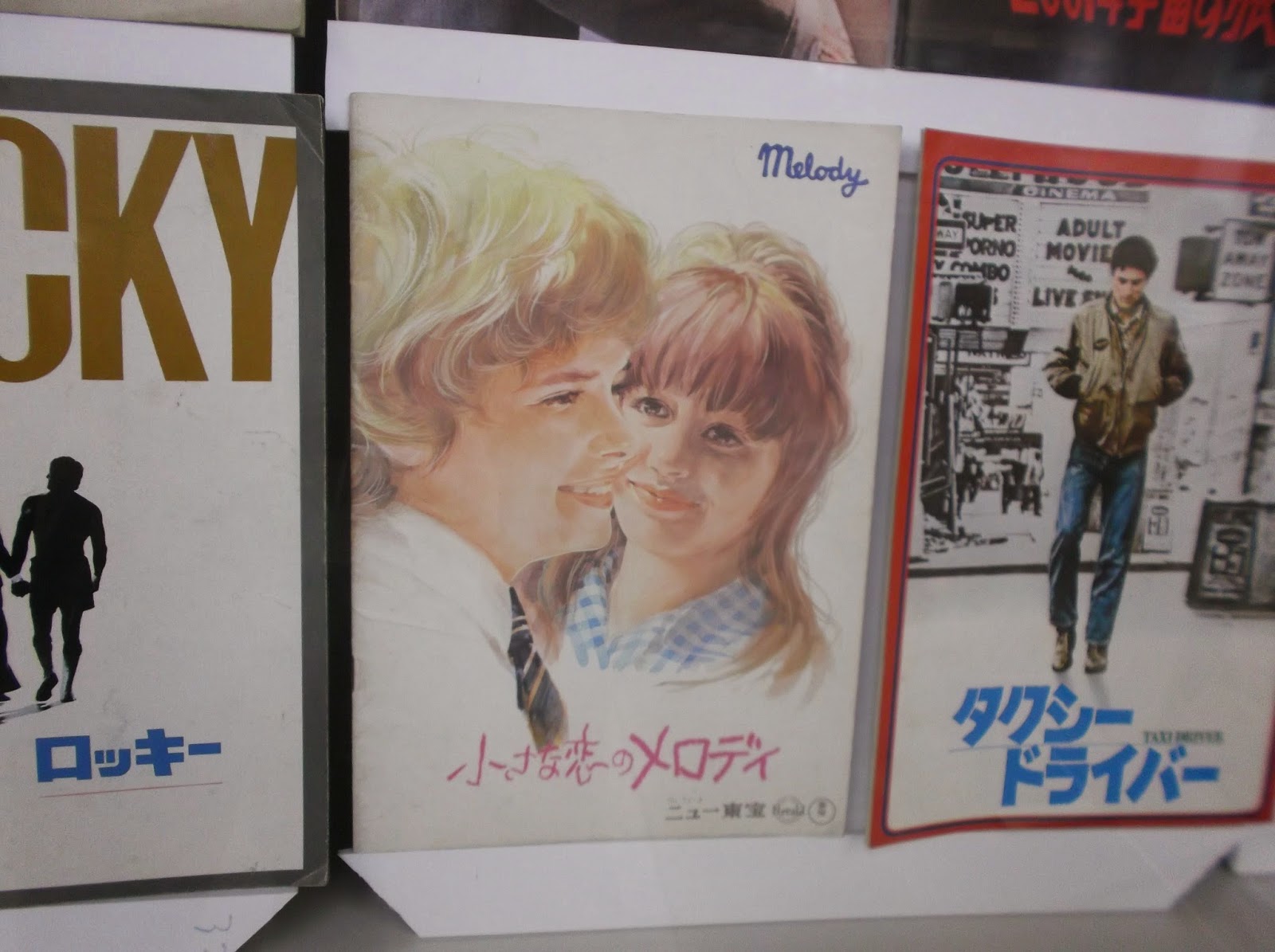
Melody Fair!
小さな恋のメロディー!

Tin Tetsujin No. 28
ブリキの鉄人28号
I had something similar to this one when I was a child.
子供の頃、これに似たようなのを持ってました。

Pac-Man
パックマン
I left FM Yukiguni and walked down the shopping mall, where I found photos like these.
FMゆきぐにを離れ、商店街を歩きました。こんな写真がありました。


I bought these two items at the dagashiya stall in FM Yukiguni.
FMゆきぐにの駄菓子屋でこの2つを買いました。

I don't know how many times I said to myself, "Natsukashii~" (bring back memories).
何回、「懐かしい~」と独り言を言ったか分かりません。

Gomoku Mame (Five-Item Beans)/五目豆

Gomoku mame is another comfort food for most Japanese.
Go = Five
Moku = Item (ingredient)
Mama = Beans
In gomoku mame, mame means soybeans, and you don't necessarily use exactly five items to make this dish. Common items include konnyaku, shiitake, carrot, renkon (lotus root), gobo (burdock root), and kombu.
Note that store-bought gomoku mame is rather sweet, and in fact, simply too sweet for my taste. I can't blame the manufacturers, though, because sugar is a natural preservative.

The other day, I was lucky enough to get a pack of boiled soybean for half the price, so I decided to make gomoku mame. 

I googled for a good dashi, soy sauce, and mirin ratio for gomoku mame, to find a ratio that sounded good: 7:1:1.
五目豆とは、大半の日本人にとっては、ほっとする料理の一つです。
五目豆の豆とは大豆のことで、必ずしも五つの具材を入れる必要はないのですが、普通は、こんにゃく、シイタケ、ニンジン、レンコン、ゴボウ、昆布などを入れます。
市販の五目豆は甘めで、と言うか、私には甘すぎます。まあ、砂糖は自然の防腐剤なので、メーカーを責めるわけにはいきません。

先日、運よく、茹で大豆を半額で買えたので、五目豆を作ることにしました。

五目豆用のいい出汁、醤油、みりんの割合をググって、よさそうな割合(7:1:1)を見つけました。

Cut each ingredient into 1-cm dice, except boiled soybeans.
Soak konnyaku in hot water for some time to remove the odor.
Put all ingredients in a pot, add dashi, soy sauce, and mirin, boil to a boil, and simmer for 10-15 min. until done.
大豆以外の具材をそれぞれ1センチ角に切ります。
こんにゃくはお湯にしばらく漬けて、臭いを取ります。
鍋に具材を全て入れ、出汁、醤油、みりんを加え、沸騰させ、火が通るまで10~15分程度煮ます。

Frozen shiitake, konnyaku,
Kombu for making dashi, carrot, boiled soybeans
冷凍したシイタケ、こんにゃく
出し昆布、ニンジン、茹で大豆 


October 6, 2014

Shinya Shokudo 3 to Start in October, and a Movie to be Released on January 31, 2015/深夜食堂3が10月から開始、映画が2015年1月31に公開

I recently learned great news: Shinya Shokudo 3 starts on October 19 on MBS and on October 21 on TBS and RKB. What's more, a movie is scheduled to be released on January 31, 2015.

最近すごいニュースを知りました。深夜食堂がMBSでは10月19日、TBS、RKBでは10月21日に始まり、その上、映画が2015年1月31に公開されるということです。

Vegetable Gardening, Fall of 2014/菜園作り、2014年秋

For the past few weeks, I have done a great deal of learning about vegetable gardening, reading tens of related books, mooks (magazine+books), and websites, in an attempt to improve my gardening skills.
ここ数週間、菜園技術を改善しようと、 関連する本、ムック、サイトを読んで、菜園作りについて多くのことを学びました。

Improvement 1: Measure out the compost, lime, and fertilizer accurately.
Here are the chemical fertilizer and the organic lime that I use.
改善1: 堆肥、石灰、肥料を正確に量る。
私が使っている化学肥料と有機石灰です。 
For compost, I use either bark compost or cattle compost. Shown below is cattle compost.
堆肥は、バーク堆肥か牛ふん堆肥を使っています。下のは牛ふん堆肥です。  
I have decided to use, in general, the following amounts per square meter:
30 g fertilizer
100 g lime (for spinach, 150 g)
3 liters compost
一般的に、1平米当たり、下記の量を使うことにしました:
肥料 30 g
石灰 100 g(ホウレンソウの場合は150 g)
堆肥 3リットル
Improvement 2: Use compost, lime, and fertilizer efficiently.
Improvement 3: Divide the rented field into six sections, each measuring 1 x 3 m.
改善2: 堆肥、石灰、肥料を効率的に使う。
改善3: 借りている畑を6区画に分ける(1区画1 x 3 m)。

My rented field on October 4:
借りている畑、10/4:
First, I removed all vegetable plants, as well as most of the weed, from the soil, and I tilled the rows separately. Then I divided each row into two sections by making a path in the middle.
まずは野菜全部と、雑草の大半を土から抜いて、畝を別々に耕しました。次に、畝それぞれを、真ん中に通路を作って、2区画に分けました。
Then, I sprinkled the measured amounts of compost, lime, and fertilizer on each section.
そして、堆肥、石灰、肥料を量って、各区画に撒きました。
Finally, I tilled each section.
最後に、各区画を耕しました。
You may think I'm a fool, but I used to till the entire field, sprinkled compost, lime, and fertilizer without measuring them on the entire field. Then, I made rows. What a waste!

I think dividing the field into smaller sections will make everything more manageable.
バカだと思うかも知れませんが、畑全体を耕し、堆肥、石灰、肥料を測らずに畑全体に撒き、それから畝を作っていました。すごい無駄でした!

畑を小さい区画に分ければ、全てがより管理しやすくなると思います。

I decided to plant these seedlings the next day.
この苗は次の日に植えることにしました。
Fava bean, snow pea, and snap pea seedlings, which I made myself.
自分で作った、ソラマメ、サヤエンドウ、スナップエンドウの苗です。

Yard around the house
家のまわりの庭

Area 1, before:
エリア1、ビフォー:
Area 2, before:
エリア2、ビフォー:
Area 3, before:
エリア3、ビフォー:
Area 1, under treatment:
エリア1、処理中:
Area 2, under treatment:
エリア2、処理中:
Area 3, under treatment:
エリア3、処理中:
Area 1, after:
エリア1、アフター:
Area 2, after:
エリア2、アフター:
Area 3, after:
エリア3、アフター
I planted these seeds in the areas.
各エリアにはこの種を植えました。
Komatsuna in area 1, spinach in area 2, and ohsakina in area 3.
エリア1にはコマツナ、エリア2にはホウレンソウ、エリア3には大崎菜。
October 5
10/5
I planted all the seedlings, as well as spinach, ohsakina, and radish seeds. One section is reserved for strawberry seedlings.
苗全部と、ホウレンソウ、大崎菜、はつか大根の種を植えました。一つの区画はイチゴの苗用に取ってあります。

Improvement 4: Make compost from kitchen garbage, using buckets.
改善4: バケツを使って、生ごみから堆肥を作る。

Improvement 5: Refrain from using mulch.
This I have learned from natural farming. You just have to cut off weed occasionally with a sickle and lay it like mulch. At this point, I'm not sure if this works for me. I may return to mulching.
改善5: マルチの使用を控える。
自然農法から学んだことです。時折、雑草を鎌で刈って、マルチのように敷く必要があります。現時点では、効果があるか分かりません。マルチに戻るかも知れません。

Another great thing I have learned from one book is that you don't necessarily have to practice crop rotation. You can practice continuous cropping simply by taking appropriate measures like soil improvement and companion planting. I don't like crop rotation because I don't want to grow vegetables I don't want to grow just for the sake of crop rotation. I just want to keep growing vegetables I want to grow in every season. Next year, I will plant some cherry tomato seedlings with nira (Chinese chive) seedlings and others with edamame seedlings to test to see if companion planting will really work for me.
或る本から学んだすごいことは、必ずしも輪作(りんさく)をしなくてもいいということです。土壌改良や混植など適切な対策をすれば、連作をすることができます。私は、輪作のために作りたくない野菜を作るのは嫌いです。毎シーズン、作りたい野菜を作り続けたいと思っています。来年は、ミニトマトの苗の一部をニラの苗と一緒に、残りはエダマメの苗と一緒に植えて、混植が本当に効果あるか試したいと思います。

October 5, 2014

Bunaharitake and Hatsutake/ブナハリタケとハツタケ

Today (Oct. 5), I went for the second mushroom hunt this year, alone again. In fact, I went to three mountains and two secret spots.
今日(10/5)は、また一人で、今年二回目のキノコ狩りに行きました。三つの山、それに二つの秘密の場所に行きました。

Mountain 1
I found only these mushrooms:
一番目の山
このきのこしか見つかりませんでした:
My son later checked them and told me they were probably mujinatake (Psathyrella velutina). Edible but not very tasty.
後で息子が調べて、多分「ムジナタケ」だろうと教えてくれました。食べれますが、あまり美味しくないそうです。

Mountain 2: No luck. I found hardly any mushrooms.
二番目の山: 運悪く、きのこは殆ど見つかりませんでした。

Mountain 3: When I first looked at this log, I thought the mushroom was sugihiratake (Pleurocybella porrigens, angel wing), which is now considered poisonous, but upon inspecting the underside of the cap, I thought it was bunaharitake (Mycoleptodonoides aitchisonii).
三番目の山: この木を最初に見た時は、このキノコはスギヒラタケ(現在では毒キノコと思われている)と思いましたが、カサの裏側を見て、ブナハリタケだと思いました。

The rice paddies were mostly harvested.
田んぼは大半、収穫が終わりました。
This is the angel wing.
これがスギヒラタケです。
The local people here in the Uonuma region of Niigata call this mushroom kataha, and have loved it for centuries. As I mentioned above, it's now generally considered poisonous. See the Wikipedia page linked to above for details.
新潟の魚沼地方の人たちは、このキノコをカタハと呼び、何世紀も愛してきましたが、先に述べたように、今では一般的に毒キノコを思われています。詳しくは、リンクした上記のWikipediaのページを参照してください。

Gills of sugihiratake:
スギヒラタケのヒダ:
Then, I went to secret spot 1:
次に秘密の場所1に行きました:
There I found one hatsutake (Lactarius hatsudake Nobuj. Tanaka).
そこではハツタケを一つ見つけました。
Then, I went to secret spot 2:
次に秘密の場所2に行きました:
There I found clusters of hiratake (oyster mushrooms)! They were beautiful!
そこでは、ヒラタケの群生を見つけました!きれいでした!


The photo below shows all the mushrooms I picked today, except the hiratake.
次の写真には、ヒラタケ以外で今日採ったキノコが全部写っています。
Closeup of the hatsutake:
ハツタケのクローズアップ:
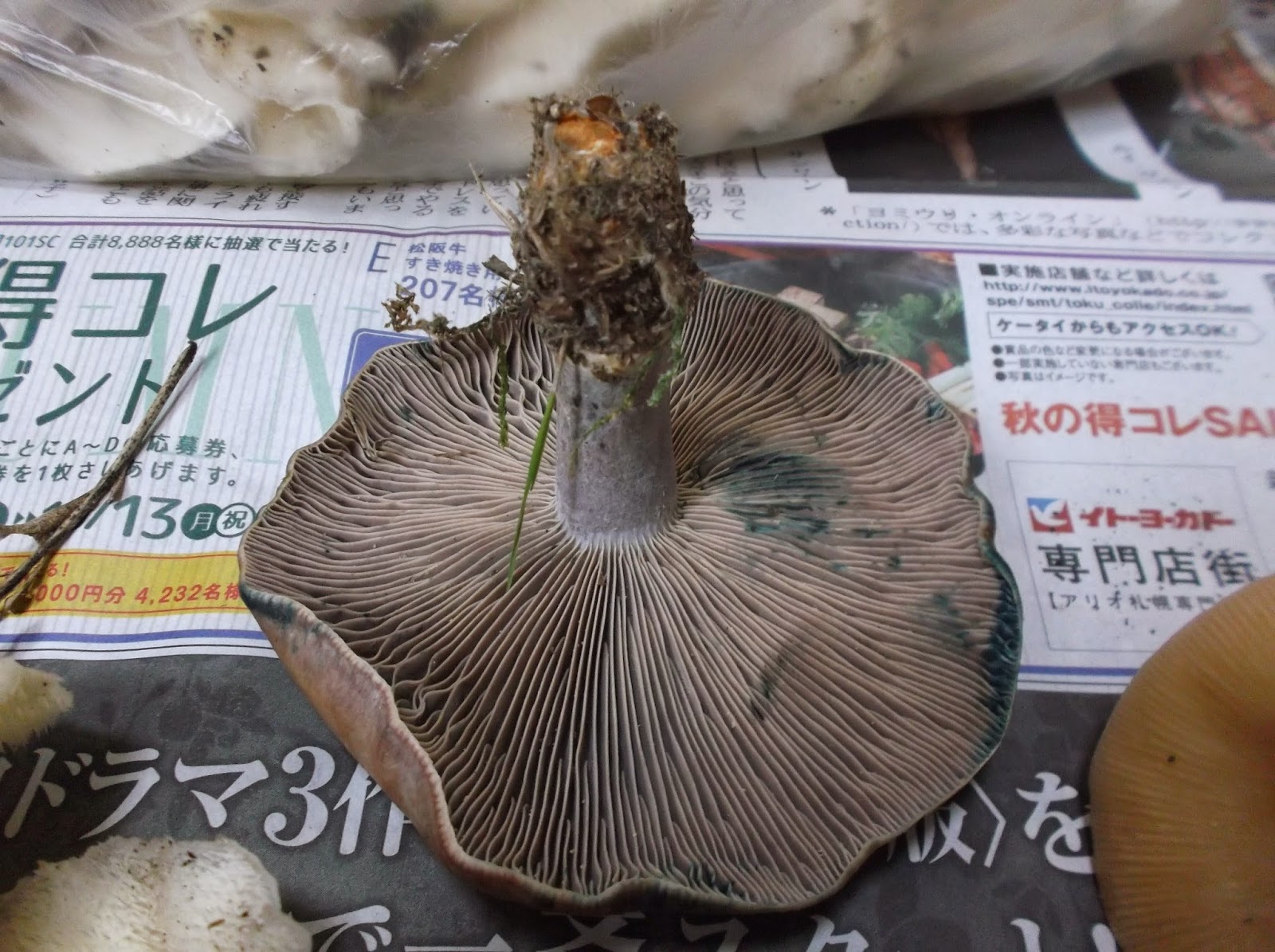
Underside of the cap:
カサの裏側:
One characteristic of hatsutake is that it turns bluish where it is bruised.
ハツタケの特徴の一つは、傷つけると、そこが青っぽくなることです。

Closeup of bunaharitake:
ブナハリタケのクローズアップ:
Underside:
裏側:
Completely different from that of sugihiratake (angle wing).
スギヒラタケとは全く違います。

Hiratake (oyster mushroom), washed:
洗ったヒラタケ:
Bunaharitake, washed:
洗ったブナハリタケ:
Hiratake, boiled:
茹でたヒラタケ:
Bunaharitake, boiled:
茹でたブナハリタケ:
As requested by my son, I pan-fried chicken breast, some bunaharitake, and all the mujinatake in sesame oil, and seasoned with equal amounts of soy sauce, mirin, and sake.
息子のリクエストで、鶏の胸肉、ブナハリタケを少し、ムジナタケ全部をごま油で炒め、同量のしょう油、みりん、お酒で味付けました。
As requested by my son, I quartered the hatsutake and put it in clear soup, together with some bunaharitake..
息子のリクエストで、ハツタケは四等分に切り、ブナハリタケ少しと一緒に澄まし汁に入れました。
Tomorrow, I'm going to make takikomi gohan with some of the bunaharitake as part of supper.
明日は、夕飯にブナハリタケを少し使って炊き込みご飯を作ります。
October 3, 2014

Poisonous Mushrooms in Japan/日本の毒キノコ

Here I attempt to list some poisonous mushrooms in Japan. The list is not exhaustive; just think of it as a starting point if you ever want to go mushroom hunting in Japan. If you cannot identify specific mushrooms, contact your nearest health department (hokenjo 保健所 ほけんじょ). In Japan, unlike in other countries like France and Germany, pharmacies do not provide free mushroom identification service.
日本の毒キノコの一部をリストアップしようと思います。完全なリストではありません。日本でキノコ狩りに行こうと思った際のスターティングポイントと思って下さい。同定(特定)できないキノコがあったら、保健所に相談して下さい。日本では、フランスやドイツなどの外国と異なり、薬局は無料でキノコを同定するというサービスは行っていません。

1. Tsukiyotake ツキヨタケ (Omphalotus guepiniformis, Omphalotus japonicus)
Symptoms: Vomiting, stomachache, frequent diarrhea
Responsible for the most mushroom poisoning cases in Japan.
Look-alikes: Shiitake, mukitake, hiratake (oyster mushroom)
Images of tsukiyotake

2. Dokusasako ドクササコ (Clitocybe acromelalga)
Symptoms: Symptoms appear 4-5 DAYS (not hours) after consumption. Inflammation of ends of limbs, nose, ears, penis. Intense pain, so intense as if being pierced by a burning fire iron, continues for 1 months or longer. Even morphine cannot alleviate the pain.
Look-alikes: Naratake (honey mushroom), chichitake (Lactarius volemus)
Images of dokusasako

3. Kusa-ura-benitake クサウラベニタケ (Entoloma rhodopolium, woodpink gill)
Symptoms: Sever diarrhea and vomiting, stomachache
Look-alike: Ura-beni-hotei-shimeji (Entoloma sarcopum)
Images of kusa-ura-benitake

4. Kaentake カエンタケ (Podostroma cornu-damae)
Symptoms: Motor function and language disorder, kidney failure, liver failure. Sometimes fatal.
DON'T EVEN TOUCH KAENTAKE, or you may be inflamed. Keep children away from it.
Images of kaentake
Look-alike: Beni-naginata-take(Clavulinopsis miyabeana)
Actually, the two mushrooms may look like each other, but quite differ in texture. Kaentake is hard, while beni-naginata-take is soft.

5. Cholera-take コレラタケ (Galerina fasciculata)
Symptoms: Stomacheache, diarrhea, similar to those of cholera.
Images of colera-take
Look-alikes: Kuritake, naratake (honey mushroom), enokitake, nameko

6. Hikage-shibire-take ヒカゲシビレタケ (Psilocybe subcaerulipes)
Symptoms: Numbing of limbs, hallucination
Images of hikage-shibire-take
Look-alike: Naratake (honey mushroom)

7. Kakishimeji カキシメジ (Tricholoma ustale, burnt knight)
Symptoms: Vomiting, diarrhea, stomachache
Images of kakishimeji
Look-alike: Shiitake

8. Nigakuritake ニガクリタケ (Hypholoma fasciculare, sulfur tuft)
Symptoms: Vomiting, diarrhea, stomachache.
Images of nigakuritake
Look-alike: Kuritake (Hypholoma sublateritium), which is considered good to eat in Japan.

9. Tengutake テングタケ (Amanita pantherina var. pantherina, panther cap)
Symptoms: Delirium, hallucination
Images of tengutake

10. Oo-warai-take オオワライタケ (Gymnopilus junonius, laughing Jim)
Symptoms: Chill, vertigo, hallucination, auditory hallucination
Images of oo-warai-take

11. Doku-tsuru-take ドクツルタケ (Amanita virosa, destroying angel)
Symptoms: Similar to those of cholera. Sometimes fatal.
Images of doku-tsuru-take

12. Haiiro shimeji ハイイロシメジ (Clitocybe nebularis)
Symptoms: Diarrhea, vomiting, etc.
Images of haiiro shimeji
Generally considered poisonous, but some people may think otherwise.