March 1, 2010

Hina Yukimi Kazari (Part 3 of 3)/ひな雪見かざり(パート3/3)

Photo pointing to the south, taken in front of Miyajima Yofuku-ten (clothier), No. 9
宮嶋洋服店(9)の前で撮った、南向きの写真
Classic mailbox by Shiozawa Post Office, No. 11
塩沢郵便局(11)のレトロ郵便ポスト:

Hina dolls in Otsuka Yakkyoku (Pharmacy), No. 12:
大塚薬局(12)内の雛人形:

Rice shop called Koshihikari Genmai Gura, No. 15:
越光玄米蔵(こしひかりげんまいぐら)という米屋(15):

Classic rice milling machine in front of the shop:
店の前にあるレトロな精米機:

Traditional rice cooker, kama:
昔風の炊飯器(釜):

Hina dolls (made from Shiozawa pongee, I think):
雛人形(塩沢紬(つむぎ)で作ったのだと思います):

Edited to add: Are they made from Shiozawa Omeshi? I will check if they are made from Shiozawa Tsumugi or Shiozawa Omeshi, and make any necessary changes.
追記: 塩沢お召しで作ったものか?塩沢紬か塩沢お召しで作ったものか確認して、必要に応じて修正します。

The board says, "Needless to say, Japan's best rice-producing area is here, Uonuma in Echigo (former Niigata)".
看板には、「言わずも知れた日本一の米の産地がここ、越後魚沼だ。」と書かれています。

Cork board on which a poster, a map, and others are posted:
ポスター、地図などが貼ってあるコルクボード:

Hina dolls in Yoshino-ya, No. 24:
吉野家(24)の雛人形:

Just open the front door of this private house, and you will see these dolls!
この民家の玄関の戸を開けると、この雛人形が見えます!

Hina dolls in the izakaya called Dandan Tei Nippon Kazoku, No. 25:
「だんだん亭にっぽん家族」という居酒屋(25)の雛人形:

Armors of Naoe Kanetsugu (left) and Uesugi Kagekatsu (right) in Hashimoto (variety store), No. 26:
はしもと(雑貨店)(26)の直江兼続(左)と上杉景勝(右)の鎧(よろい):

As I said previously, Naoe Kanetsugu was the main character in the NHK Taiga Drama, "Ten Chi Jin" (Heaven, Earth, and Man).
前に言ったように、直江兼続はNHKの大河ドラマ「天地人」の主人公です。

Hina dolls in the store:
その店の雛人形:

"Hina no tsurushi kazari" (hina hanging ornament) in Sawa Biyoin (beauty parlor), No. 50:
さわ美容室(50)の「雛のつるしかざり」:

Hina dolls, together with rabbits clad in kimono in the beauty parlor:
その美容室にある、雛人形と着物を着たうさぎ:

Pretty rabbits, aren't they?
可愛いうさぎでしょ?

Hina Yukimi Kazari (Part 2 of 3)/ひな雪見かざり(パート2/3)

Aoki Shoten (confectionery shop), No. 31, at the intersection:
交差点の青木商店(お菓子屋)(31):

Hina dolls in the store:
店内の雛人形:

Hakka tou (mint candies), sweets shaped like pieces of chalk. In the middle of the photo, you can see three types of samples, matcha, wasanbon, and plain (sugar).
チョークのような形のお菓子、薄荷糖。写真の中央には、3種類(抹茶、和三盆、白(砂糖))の試食品があります。

Sakura mochi on the right and sakura joyo manju on the left:
右は桜餅、左は桜薯蕷(じょうよ)まんじゅう:

I didn't know what joyo was. Joyo refers to yamato imo, yama imo, tsukune imo, etc. (types of mountain yam). Joyo is used as a bonding agent for rice or wheat flour. Joyo will swell when streamed, and when you use joyo with flour when making manju, the skin will have a soft, fluffy texture.
薯蕷(じょうよ)とは何か知りませんでした。薯蕷とは大和芋、山芋、つくね芋などのことです。米粉や小麦粉のつなぎとして用いられます。薯蕷は蒸すと膨らむので、まんじゅうを作るときに粉と一緒に使うと、皮がフワフワな食感になるそうです。
Hina dolls in Gendai (women's clothes store):
現代(女性洋服店)の雛人形:

Hina dolls in Takamata Shoten (dealing in propane gas, among others), No. 8, if I remember correctly:
確か、(プロパンガスなどを扱っている)高又商店(8)の雛人形:

These two dolls were made in the late Edo period.
この2つの雛人形は江戸時代後期に作られたものです。
Edited to add: I was wrong. These dolls are in Miyajima Yofuku-ten (clothier), No. 9
追記: 間違ってました。この雛人形は宮嶋洋服店(9)にあります。

Photo pointing to the south:
南向きの写真:

Hina Yukimi Kazari (Part 1 of 3)/ひな雪見かざり(パート1/3)

Today, I'd like to take you to Bokushi Dori (Street), where an event called Hina Yukimi Kazari is held from February 20 to April 3. In this event, the fifth this year, stores, restaurants, and others, 53 of them in total this year, display their hina dolls.
今日は、2月20日から4月3日まで「ひな雪見かざり」というイベントが行われている牧之通りを案内したいと思います。
今年5回目のこのイベントでは、商店、飲食店など(今年は計53店)が自分たちの雛人形を展示します。
This is a map showing where you can see these hina dolls. In the following description, the number following a store or restaurant name is the one indicated on this map.
どこで雛人形が見られるかはこの地図で分かります。以下の説明で、商店や飲食店の後の番号は、この地図に示された番号です。

You can participate in the "stamp rally": You visit 30 of the 53 locations to collect 30 stamps. After the end of this event, presents will be given to 50 people by lottery.
「スタンプラリー」に参加できます。53のうち30箇所に行って、スタンプを30個集めます。イベントが終わると、粗品が抽選で50人に当たります。

Our trip starts at Shiozawa Station on Echigo Line.
旅は越後線の塩沢駅から始まります。

We are greeted by this arch, which says, "Birthplace of Suzuki Bokushi", "Welcome to Chateau Shiozawa" (one of the ski resorts here in Shiozawa), and "Suzuki Bokushi Memorial Museum".
このアーチの歓迎を受けます。「鈴木牧之生誕地」、「歓迎シャトー塩沢」、「鈴木牧之記念館」と書かれています。

Walk along the road. You can see a three-story, wooden house that used to be an inn.
道に沿って歩きます。かつて旅館だった3階建ての木造の家が見えます。

You will see Tsumugi Ban-ya (coffee house), No. 43, on your right:
右手にはつむぎ番屋(喫茶店)(43)が見えます:

Get one stamp rally sheet, and put the first stamp, No. 43, on it.
スタンプラリーのシートを一枚もらって、最初のスタンプ43番を押します。

You will see the factory of Aoki Shuzo on your left, which produces Kakurei and other brands of sake.
左手には、鶴齢(かくれい)などの銘柄を作っている青木酒造の工場があります。

In three minutes, we will come to the first intersection with traffic lights.
3分で最初の信号機のある交差点に来ます。

Turn left, and we will be on Bokushi Dori.
右に曲がると、牧之通りです。
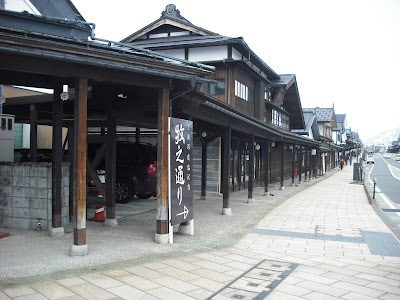
As you can see, there are no utility poles on this street. Another feature is that it has "gangi" (covered alley) along each of the sidewalks of the street.
ご覧の通り、この通りには電信柱(電柱)がありません。また、通りの各歩道に沿って雁木(がんぎ)があるのも特徴です。

Nakajima-ya, No. 3, which deals in cement among others:
セメントなどを扱っている中島屋(3):

On the wooden bench, you will see the wooden sign saying, "Feel free to take a look". If you can't find this sign in front of a certain shop or restaurant, please refrain from going inside.
木製のベンチには、木製の看板があり、「どうぞご覧下さい」と書かれています。お店や飲食店の前にこの看板がない場合は、中に入るのは控えて下さい。

Edited to add on March 6:
When you see this side of the sign, this means that you are welcome to go inside and take a look,
3月6日に追記:
この看板のこちら側が見えている時は、中に入って、見ていいということですが、

If you see the other side of the sign, which says, "Oyasumi chu" (Closed), this means that you are requested to refrain from going inside.
看板の反対側(お休み中)が見えている時は、中に入るのは控えて下さいという意味です。


This event, Hina Yukimi Kazari, is hosted by the association, "Shaga no Kai", and the chairperson of the association, an attractive and energetic woman, lives in this house.
Unfortunately, I didn't go inside the house to look at all those fabulous hina dolls, some of which date back to the Edo period (because I have been there at least three times so far). For those of you who wish to look inside the house, click here to view the hina dolls in Nakajima-ya and others. I think that photos 57 to 81 show the dolls in Nakajima-ya (but I may be wrong).
このイベント「ひな雪見かざり」は射干の会(しゃがのかい)という会が主催していて、その会の会長(魅力的でエネルギッシュな女性)はこの家に住んでいます。
残念ながら、(今まで3回は見に行っているので)家の中に入って、素晴らしい人形を見ませんでした(江戸時代の雛人形もあります)。家の中を見たい人は、ここをクリックして、中島屋やその他の家の雛人形を見て下さい。写真57~81までは中島屋の雛人形だと思います(間違っているかも知れません)。
Poster announcing the event, at Ogiya Shoten (bookstore), No. 4:
扇屋書店(4)にあった、イベントを知らせるポスター:

The wooden, rectangular sign at the top center of the photo below says,
Townscape Agreement
Acceptance Certificate
Shiozawa Bokushi Dori Kumiai (Association)
次の写真の中央上の木製の長方形の看板には、こう書かれています:
まちなみ景観協定
合格の証
しおざわ牧之通り組合

This is the supermarket I frequent, Harimaya, No. 30:
ここが私がよく行くスーパー、はりまや(30)です。

Hina dolls in the supermarket:
スーパーの雛人形:

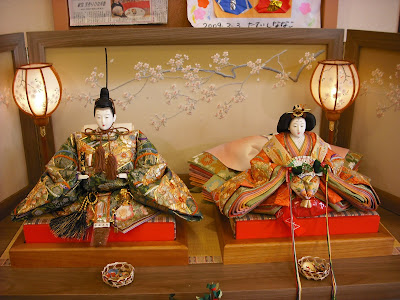
Closeup of the o-bina (male doll) on the left and the me-bina (femal doll) on the right:
左の雄雛と右の雌雛のクローズアップ:
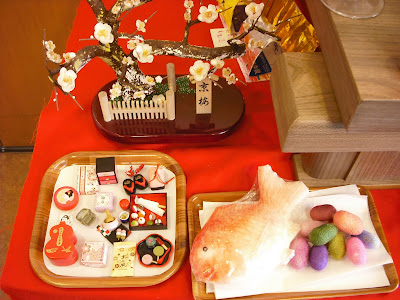
Am I the only one who is more drawn to these little pretty items?:
こんな小さくて可愛いアイテムのほうに引かれるのは私だけでしょうか?
February 25, 2010

Sakura Manju and Sakura Mochi Made by Aoki Shoten/青木商店の桜まんじゅうと桜餅

Note: I changed the title of this post on March 3. I also made some changes because I have learned that the sakura maju were actually sakura joyo manju from Aoki Shoten, a local confectionery shop here in Shiozawa.
注:3月3日にこの投稿のタイトルを変えました。また、「桜まんじゅう」は実際は、塩沢の青木商店の「桜薯蕷(じょうよ)まんじゅう」だと分かったので、少し変更を加えました。
From my post dated March 2:
Joyo refers to yamato imo, yama imo, tsukune imo, etc. (types of mountain yam). Joyo is used as a bonding agent for rice or wheat flour. Joyo will swell when streamed, and when you use joyo with flour when making manju, the skin will have a soft, fluffy texture.
薯蕷とは大和芋、山芋、つくね芋などのことです。米粉や小麦粉のつなぎとして用いられます。薯蕷は蒸すと膨らむので、まんじゅうを作るときに粉と一緒に使うと、皮がフワフワな食感になるそうです。

Today, my wife got these wagashi (Japanese sweets) from her sister:
Top: Sakura joyo manju
Bottom: Sakura mochi
今日、妻は姉から和菓子を頂きました。
上: 桜薯蕷(じょうよ)まんじゅう
下: 桜餅

The sakura manju had sakura an in it.
桜薯蕷(じょうよ)まんじゅうには桜餡が入っていました。

Note that there are two types of sakura mochi in Japan: Kanto-style Chomeiji and Kansai-style Domyoji. I don't know why, but here in Niigata, Domyoji is the common type.
日本には桜餅が二種類あります。関東の長命寺と関西の道明寺です。なぜか知りませんが、新潟では道明寺が一般的です。

Ebi Chili (Stir-Fried Shrimp in Chili Sauce)/エビチリ

The other day, I made tori chili (stir-fried chicken in chili sauce), and this evening, I made ebi chili.
The recipe is almost the same as that for tori chili, but you will need to follow additional steps for shrimp before coating them with potato starch:
Shell and devein shrimp, put in a bowl, add some salt and katakuriko (potato starch), rub well to clean the shrimp, rinse with water, and drain.
(I didn't bother to devein the vannamei shrimp; I was in a hurry. Besides, the shrimp looked clean.)
先日は鶏チリを作りましたが、今晩は、エビチリを作りました。
レシピーは鶏チリとほぼ同じですが、エビに片栗粉をまぶす前に、やらなければならないことがあります。
エビの殻をとって、背わたをとり、ボールに入れて、塩と片栗粉を入れて、よくもんで、きれいにする。水で洗ってから水を切る。
(このバナメイエビは背わたをとりませんでした。急いでいたので。それにきれいそうに見えました。)

I thickened the sauce with 1 tbsp katakuriko (potato starch) and 2 tbsp water.
ソースを片栗粉大さじ1と水大さじ2で、とろみをつけました。

February 18, 2010

More on Mirin/味醂(みりん)に関してさらに

(Continued from Mirin/味醂(みりん) dated August 11, 2009)
(2009年8月11日付けのMirin/味醂(みりん)からの続き)

Here are some notes on mirin.

I. Substitutes for mirin
One very common example:
For 1 tbsp (15 ml) mirin, substitute 1 tsp (5 ml) sugar plus 1 tbsp (15 ml) sake.

Mirin contains 40-50% sugar, but many people suggest a ratio of 1:3 (not 1:2) for sugar and mirin. I think that the reason for this is to compensate the sharp sweetness of sugar for the mild sweetness of mirin.

Some suggest using wine instead of sake, and some suggest substituting honey if you want to give gloss and luster to your dish.

In his book, Japanese Cooking: A Simple Art, Shizuo Tsuji wrote:
If you cannot find mirin, do not try to sweeten sake with sugar as is sometimes recommended. Rather, use sugar alone, substituting 1 tsp sugar for 1 Tbsp mirin.

He did not, however, state the reason why.

I'm not sure why, but here is one clue:

Sake and mirin both have these features:
1. Deodorize fish and meat.
2. Help flavors seep through the ingredients.
3. Bring out flavors and aromas.

These features are due to the presence of alcohol in sake and mirin.

Due to the presence of alcohol and sugars in mirin, mirin has the effect of keeping the ingredients from disintegrating. In other words, mirin toughens the ingredients. Mirin differs from sake in this respect, which softens the ingredients.

So, my suggestion will be:
Substitute 1 tsp sugar (with no sake or wine) for 1 tbsp mirin, if you simply want to add sweetness to your dish,
and add sake also, if you want the features of sake described above.

II. Which to use, mirin or sugar

Here is some general information:

1. For meat and fish, prefer mirin. (Remember the deodorizing effect of mirin.)
2. For dipping sauce for noodles, prefer mirin.
To make dipping sauce, you need a large amount of mirin. In such a case, it is recommended to boil off the alcohol of mirin before combining mirin with dashi and soy sauce.

Here are some of my preferences:
For meat and fish, I tend to use mirin only. For many nimono (simmered dishes), I also tend to use mirin only. For some dishes such as simmered kabocha, simmered hijiki seaweed, and simmered kiriboshi daikon, I tend to use sugar only.

Some recipes call for both mirin and sugar. The idea seems to be that sugar is used to provide the main sweetness and mirin is used to provide additional, mild sweetness, plus body and luster.

III. When to add mirin
Mirin is usually added to the pot at the beginning of a simmering process, but some people add mirin toward the end of a simmering process if they want to give gloss and luster to the dish. In this case, nikiri mirin (mirin with its alcohol evaporated beforehand) is preferred.

Here is how to boil off the alcohol of mirin:
Nikiri mirin
Click the link above, scroll down a little, and click one of
64k, 300k, and 1M, and the movie will start.

Two methods are presented there:
1. Simply boil off alcohol in a pot.
2. Tilt the pot slightly to set fire to the alcohol.

A simple and safe method will be to heat mirin in a microwave for some time, like I usually do.
***
味醂(みりん)に関することを幾つか述べます。

I. 味醂の代わり
とても一般的な例:
味醂大さじ1(15 ml)の代わりに、砂糖を小さじ1(5 ml)+お酒を大さじ1(15 ml)使う。

味醂には砂糖が40~50%含まれますが、砂糖:味醂の割合として1:3(1:2ではなく)を薦める人が多いです。これは、味醂のマイルドな甘さに対して砂糖のはっきりした甘さを補正するためだと思います。

また、お酒の代わりにワインがいいと言う人もいますし、料理に照りと艶(ツヤ)を与えるにはハチミツを使ったほうがいいと言う人もいます。

Japanese Cooking: A Simple Artという本で、著者の辻静雄は、こう書いています:
味醂が見つからない場合は、よく推奨されるように、お酒を砂糖で甘くするのではなく、砂糖だけを使ったほうがよい。味醂大さじ1に対して砂糖小さじ1で代用する。
(拙訳)

ただし、その理由を述べていません。

私もはっきり分かりませんが、ヒントはあります。

お酒と味醂はともに次の特徴があります。
1. 魚や肉の臭いを取る。
2. 具材に味が染み込み易くする。
3. 味と香りを引き出す。

これらの特徴は、お酒と味醂に含まれるアルコールのおかげです。

味醂に含まれるアルコールと糖類のため、味醂には具材の煮崩れを防ぐ効果があります。言い換えれば、味醂は具材を硬くします。この点、味醂は、具材を柔らかくするお酒とは異なります。

従って、私が薦める方法は、
料理に単に甘さを加えたい場合は、味醂大さじ1に対して、砂糖を小さじ1(お酒やワインは抜きで)使い、さらに、上述したお酒の特徴が必要ならば、お酒も使って下さい。

II. 味醂と砂糖のうち、どっちを使うか?

一般的な情報を述べます。

1. 肉や魚には、味醂のほうがいい。(味醂の消臭効果を思い出して下さい。)
2. 麺つゆには、味醂のほうがいい。
麺つゆを作るには、味醂が大量に必要です。このような場合は、味醂のアルコール分を煮切ってから、出汁としょう油にあわせたほうがいいです。

私の好みを幾つか:
肉や魚では、味醂だけを使うことが多い。煮物の場合も、味醂だけを使うことが多い。カボチャの煮付け、ひじきの煮物、切り干し大根の煮物などでは、砂糖だけを使うことが多い。

味醂と砂糖の両方を使うレシピーもあります。砂糖で主な甘さを与え、味醂でそれ以外のマイルドな甘さ、そしてコクとツヤを与えようとしているのだと思います。

III. 味醂をいつ加えるか?
通常、味醂は煮込みの最初に鍋に入れますが、料理に照りやツヤを出したい場合は、煮込みの終わり頃に味醂を入れる人もいます。この場合は、煮切りみりんを使ったほうがいいです。

味醂を煮切る方法です:
煮切りみりん
上記のリンクをクリックして、少しスクロールダウンして、
64k、300k、1Mのどれかをクリックすると、動画が始まります。

2つの方法が紹介されています:
1. 単に、鍋でアルコールを飛ばす。
2. 鍋を少し傾けて、アルコールに火をつける。

簡単で安全な方法は、私もよくやるように、電子レンジでしばらく加熱することです。

February 17, 2010

Soy Sauce (Shoyu)/醤油(しょう油)

Let me start with the soy sauce I currently use, plus the one my wife happened to buy the other day.
現在使っている醤油と、妻がたまたま先日買ってきた醤油から始めます。

Left: Kikkoman Honjozo Shoyu, the soy sauce that I regularly use
Right: Umami Honjozo Shoyu, from Iwate Shoyu, which my wife happened to buy the other day
左: キッコーマン本醸造しょうゆ(現在、主に使っている醤油)
右: 「いわて醤油」の「うまみ本醸造しょうゆ」(妻がたまたま先日買ったもの)

Label of Kikkoman Honjozo Shoyu:
Name: Koikuchi shoyu (hon jozo) (dark soy sauce (authentically brewed))
Raw materials: Defatted soy flakes (non genetically modified), wheat, salt, soybeans (non genetically modified), alcohol
キッコーマン本醸しょうゆのラベル:
名称: こいくちしょうゆ(本醸造)
原材料名: 脱脂加工大豆(遺伝子組換えでない)、小麦、食塩、大豆(遺伝子組換えでない)、アルコール


Label of Umami Honjozo Shoyu
Name: Koikuchi shoyu (hon jozo) (dark soy sauce (authentically brewed))
Raw materials: Defatted soy flakes (non genetically modified), wheat, salt, seasonings (amino acids, etc.), caramel colors, sweetener (licorice), vitamin B1
「うまみ本醸造しょうゆ」のラベル
名称: こいくちしょうゆ(本醸造)
原材料名: 脱脂加工大豆(遺伝子組換えでない)、小麦、食塩、調味料(アミノ酸等)、カラメル色素、甘味料(カンゾウ)、ビタミンB1

(To be continued)
(続く)