March 2, 2010

Hina Matsuri (Doll Festival) This Year/今年の雛祭り

Hina Matsuri falls on Tomorrow, March 3. This is my daughter's hina doll set:
雛祭りは明日、3月3日です。これが娘の雛人形セットです:


I hope I can add additional text tomorrow, together with some photos. In the meantime, why not indulge in listening to the song, Ureshii Hina Matsuri on YouTube?
明日、文章と写真を付け足したいと思います。その間、YouToubeで、この歌うれしいひな祭りを聴いてみては?

Edited to add: Last night, I was amused to find that in the YouTube video I linked to above, a photo taken by me is used from 1:06 to 1:17.
I posted the photo to post #23 on the Hina Matsuri thread in the Japan Forum on eGullet.
追記: 昨晩は、上記のYouTubeのビデオに私が撮った写真が1:06~1:17まで使われているのに気付き、面白かったです。
この写真は私がeGulletのJapan ForumのHina Matsuriスレッドのpost #23に投稿したものです。

Text and photos added on March 3:
3月3日に文章と写真を追加:
Today, I went to the Shiozawa Branch of Daishi Bank, No. 39, and took these photos:
今日は第四銀行塩沢支店(39)に行って、次の写真を撮りました。


This one is for someone called Amato (laugh):
この写真はAmatoという人のために撮りました(笑)。


Edited to add:
Sorry, not much to talk about (sigh).
We had hand-rolled sushi (temaki zushi in Japanese), using these ingredients:
追記:
残念ながら、あまり書くことがありません(ため息)。
次のネタを使って、手巻き寿司を食べました。

We also had hamaguri (clam) soup:
ハマグリのお吸い物も飲みました。

Traditional soup for Hina Matsuri.
雛祭りのための昔ながらのお吸い物です。

My wife made this cake, using a premade rolled cake and whipped chocolate-flavored cream.
妻は、出来合いのロールケーキとチョコレート味のホイップクリームで、このケーキを作りました。

My wife said that I did not have to post a photo of it in my blog, but here is it anyway.
妻は、私のブログにこの写真を載せる必要はないと言いましたが、載せておきます。

Chirashi zushi is more appropriate for Hina Matsuri, but my daughter still prefers inari zushi.
雛祭りには散らし寿司のほうが合っているのですが、娘はまだ、稲荷寿司のほうが好きです。

And, she prefers modern sweets like these to traditional ones.
それに、昔ながらのお菓子より、今風のお菓子のほうがすきです。
Koala no March, chocolate flavor and strawberry & milk flavor:
コアラのマーチ、チョコレート味といちご&ミルク味:


Sorry if I have disappointed you.
Search around, and you may find the Hina Matsuri dinner of a much wealthier family (laugh)!
ガッカリさせたとしたら、ごめんなさい。
探せば、もっと裕福な家庭の雛祭りの夕食が見つかるかも知れません(笑)!

March 1, 2010

Hina Yukimi Kazari (Part 3 of 3)/ひな雪見かざり(パート3/3)

Photo pointing to the south, taken in front of Miyajima Yofuku-ten (clothier), No. 9
宮嶋洋服店(9)の前で撮った、南向きの写真
Classic mailbox by Shiozawa Post Office, No. 11
塩沢郵便局(11)のレトロ郵便ポスト:

Hina dolls in Otsuka Yakkyoku (Pharmacy), No. 12:
大塚薬局(12)内の雛人形:

Rice shop called Koshihikari Genmai Gura, No. 15:
越光玄米蔵(こしひかりげんまいぐら)という米屋(15):

Classic rice milling machine in front of the shop:
店の前にあるレトロな精米機:

Traditional rice cooker, kama:
昔風の炊飯器(釜):

Hina dolls (made from Shiozawa pongee, I think):
雛人形(塩沢紬(つむぎ)で作ったのだと思います):

Edited to add: Are they made from Shiozawa Omeshi? I will check if they are made from Shiozawa Tsumugi or Shiozawa Omeshi, and make any necessary changes.
追記: 塩沢お召しで作ったものか?塩沢紬か塩沢お召しで作ったものか確認して、必要に応じて修正します。

The board says, "Needless to say, Japan's best rice-producing area is here, Uonuma in Echigo (former Niigata)".
看板には、「言わずも知れた日本一の米の産地がここ、越後魚沼だ。」と書かれています。

Cork board on which a poster, a map, and others are posted:
ポスター、地図などが貼ってあるコルクボード:

Hina dolls in Yoshino-ya, No. 24:
吉野家(24)の雛人形:

Just open the front door of this private house, and you will see these dolls!
この民家の玄関の戸を開けると、この雛人形が見えます!

Hina dolls in the izakaya called Dandan Tei Nippon Kazoku, No. 25:
「だんだん亭にっぽん家族」という居酒屋(25)の雛人形:

Armors of Naoe Kanetsugu (left) and Uesugi Kagekatsu (right) in Hashimoto (variety store), No. 26:
はしもと(雑貨店)(26)の直江兼続(左)と上杉景勝(右)の鎧(よろい):

As I said previously, Naoe Kanetsugu was the main character in the NHK Taiga Drama, "Ten Chi Jin" (Heaven, Earth, and Man).
前に言ったように、直江兼続はNHKの大河ドラマ「天地人」の主人公です。

Hina dolls in the store:
その店の雛人形:

"Hina no tsurushi kazari" (hina hanging ornament) in Sawa Biyoin (beauty parlor), No. 50:
さわ美容室(50)の「雛のつるしかざり」:

Hina dolls, together with rabbits clad in kimono in the beauty parlor:
その美容室にある、雛人形と着物を着たうさぎ:

Pretty rabbits, aren't they?
可愛いうさぎでしょ?

Hina Yukimi Kazari (Part 2 of 3)/ひな雪見かざり(パート2/3)

Aoki Shoten (confectionery shop), No. 31, at the intersection:
交差点の青木商店(お菓子屋)(31):

Hina dolls in the store:
店内の雛人形:

Hakka tou (mint candies), sweets shaped like pieces of chalk. In the middle of the photo, you can see three types of samples, matcha, wasanbon, and plain (sugar).
チョークのような形のお菓子、薄荷糖。写真の中央には、3種類(抹茶、和三盆、白(砂糖))の試食品があります。

Sakura mochi on the right and sakura joyo manju on the left:
右は桜餅、左は桜薯蕷(じょうよ)まんじゅう:

I didn't know what joyo was. Joyo refers to yamato imo, yama imo, tsukune imo, etc. (types of mountain yam). Joyo is used as a bonding agent for rice or wheat flour. Joyo will swell when streamed, and when you use joyo with flour when making manju, the skin will have a soft, fluffy texture.
薯蕷(じょうよ)とは何か知りませんでした。薯蕷とは大和芋、山芋、つくね芋などのことです。米粉や小麦粉のつなぎとして用いられます。薯蕷は蒸すと膨らむので、まんじゅうを作るときに粉と一緒に使うと、皮がフワフワな食感になるそうです。
Hina dolls in Gendai (women's clothes store):
現代(女性洋服店)の雛人形:

Hina dolls in Takamata Shoten (dealing in propane gas, among others), No. 8, if I remember correctly:
確か、(プロパンガスなどを扱っている)高又商店(8)の雛人形:

These two dolls were made in the late Edo period.
この2つの雛人形は江戸時代後期に作られたものです。
Edited to add: I was wrong. These dolls are in Miyajima Yofuku-ten (clothier), No. 9
追記: 間違ってました。この雛人形は宮嶋洋服店(9)にあります。

Photo pointing to the south:
南向きの写真:

Hina Yukimi Kazari (Part 1 of 3)/ひな雪見かざり(パート1/3)

Today, I'd like to take you to Bokushi Dori (Street), where an event called Hina Yukimi Kazari is held from February 20 to April 3. In this event, the fifth this year, stores, restaurants, and others, 53 of them in total this year, display their hina dolls.
今日は、2月20日から4月3日まで「ひな雪見かざり」というイベントが行われている牧之通りを案内したいと思います。
今年5回目のこのイベントでは、商店、飲食店など(今年は計53店)が自分たちの雛人形を展示します。
This is a map showing where you can see these hina dolls. In the following description, the number following a store or restaurant name is the one indicated on this map.
どこで雛人形が見られるかはこの地図で分かります。以下の説明で、商店や飲食店の後の番号は、この地図に示された番号です。

You can participate in the "stamp rally": You visit 30 of the 53 locations to collect 30 stamps. After the end of this event, presents will be given to 50 people by lottery.
「スタンプラリー」に参加できます。53のうち30箇所に行って、スタンプを30個集めます。イベントが終わると、粗品が抽選で50人に当たります。

Our trip starts at Shiozawa Station on Echigo Line.
旅は越後線の塩沢駅から始まります。

We are greeted by this arch, which says, "Birthplace of Suzuki Bokushi", "Welcome to Chateau Shiozawa" (one of the ski resorts here in Shiozawa), and "Suzuki Bokushi Memorial Museum".
このアーチの歓迎を受けます。「鈴木牧之生誕地」、「歓迎シャトー塩沢」、「鈴木牧之記念館」と書かれています。

Walk along the road. You can see a three-story, wooden house that used to be an inn.
道に沿って歩きます。かつて旅館だった3階建ての木造の家が見えます。

You will see Tsumugi Ban-ya (coffee house), No. 43, on your right:
右手にはつむぎ番屋(喫茶店)(43)が見えます:

Get one stamp rally sheet, and put the first stamp, No. 43, on it.
スタンプラリーのシートを一枚もらって、最初のスタンプ43番を押します。

You will see the factory of Aoki Shuzo on your left, which produces Kakurei and other brands of sake.
左手には、鶴齢(かくれい)などの銘柄を作っている青木酒造の工場があります。

In three minutes, we will come to the first intersection with traffic lights.
3分で最初の信号機のある交差点に来ます。

Turn left, and we will be on Bokushi Dori.
右に曲がると、牧之通りです。
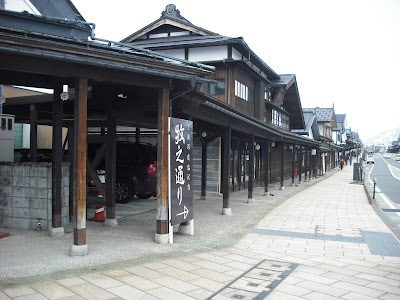
As you can see, there are no utility poles on this street. Another feature is that it has "gangi" (covered alley) along each of the sidewalks of the street.
ご覧の通り、この通りには電信柱(電柱)がありません。また、通りの各歩道に沿って雁木(がんぎ)があるのも特徴です。

Nakajima-ya, No. 3, which deals in cement among others:
セメントなどを扱っている中島屋(3):

On the wooden bench, you will see the wooden sign saying, "Feel free to take a look". If you can't find this sign in front of a certain shop or restaurant, please refrain from going inside.
木製のベンチには、木製の看板があり、「どうぞご覧下さい」と書かれています。お店や飲食店の前にこの看板がない場合は、中に入るのは控えて下さい。

Edited to add on March 6:
When you see this side of the sign, this means that you are welcome to go inside and take a look,
3月6日に追記:
この看板のこちら側が見えている時は、中に入って、見ていいということですが、

If you see the other side of the sign, which says, "Oyasumi chu" (Closed), this means that you are requested to refrain from going inside.
看板の反対側(お休み中)が見えている時は、中に入るのは控えて下さいという意味です。


This event, Hina Yukimi Kazari, is hosted by the association, "Shaga no Kai", and the chairperson of the association, an attractive and energetic woman, lives in this house.
Unfortunately, I didn't go inside the house to look at all those fabulous hina dolls, some of which date back to the Edo period (because I have been there at least three times so far). For those of you who wish to look inside the house, click here to view the hina dolls in Nakajima-ya and others. I think that photos 57 to 81 show the dolls in Nakajima-ya (but I may be wrong).
このイベント「ひな雪見かざり」は射干の会(しゃがのかい)という会が主催していて、その会の会長(魅力的でエネルギッシュな女性)はこの家に住んでいます。
残念ながら、(今まで3回は見に行っているので)家の中に入って、素晴らしい人形を見ませんでした(江戸時代の雛人形もあります)。家の中を見たい人は、ここをクリックして、中島屋やその他の家の雛人形を見て下さい。写真57~81までは中島屋の雛人形だと思います(間違っているかも知れません)。
Poster announcing the event, at Ogiya Shoten (bookstore), No. 4:
扇屋書店(4)にあった、イベントを知らせるポスター:

The wooden, rectangular sign at the top center of the photo below says,
Townscape Agreement
Acceptance Certificate
Shiozawa Bokushi Dori Kumiai (Association)
次の写真の中央上の木製の長方形の看板には、こう書かれています:
まちなみ景観協定
合格の証
しおざわ牧之通り組合

This is the supermarket I frequent, Harimaya, No. 30:
ここが私がよく行くスーパー、はりまや(30)です。

Hina dolls in the supermarket:
スーパーの雛人形:

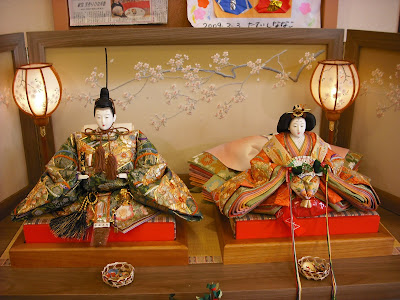
Closeup of the o-bina (male doll) on the left and the me-bina (femal doll) on the right:
左の雄雛と右の雌雛のクローズアップ:
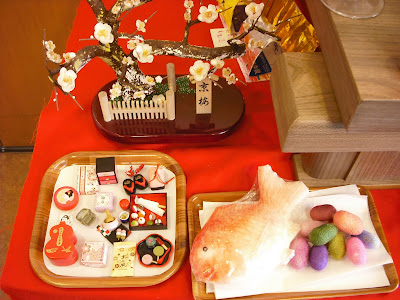
Am I the only one who is more drawn to these little pretty items?:
こんな小さくて可愛いアイテムのほうに引かれるのは私だけでしょうか?
February 25, 2010

Sakura Manju and Sakura Mochi Made by Aoki Shoten/青木商店の桜まんじゅうと桜餅

Note: I changed the title of this post on March 3. I also made some changes because I have learned that the sakura maju were actually sakura joyo manju from Aoki Shoten, a local confectionery shop here in Shiozawa.
注:3月3日にこの投稿のタイトルを変えました。また、「桜まんじゅう」は実際は、塩沢の青木商店の「桜薯蕷(じょうよ)まんじゅう」だと分かったので、少し変更を加えました。
From my post dated March 2:
Joyo refers to yamato imo, yama imo, tsukune imo, etc. (types of mountain yam). Joyo is used as a bonding agent for rice or wheat flour. Joyo will swell when streamed, and when you use joyo with flour when making manju, the skin will have a soft, fluffy texture.
薯蕷とは大和芋、山芋、つくね芋などのことです。米粉や小麦粉のつなぎとして用いられます。薯蕷は蒸すと膨らむので、まんじゅうを作るときに粉と一緒に使うと、皮がフワフワな食感になるそうです。

Today, my wife got these wagashi (Japanese sweets) from her sister:
Top: Sakura joyo manju
Bottom: Sakura mochi
今日、妻は姉から和菓子を頂きました。
上: 桜薯蕷(じょうよ)まんじゅう
下: 桜餅

The sakura manju had sakura an in it.
桜薯蕷(じょうよ)まんじゅうには桜餡が入っていました。

Note that there are two types of sakura mochi in Japan: Kanto-style Chomeiji and Kansai-style Domyoji. I don't know why, but here in Niigata, Domyoji is the common type.
日本には桜餅が二種類あります。関東の長命寺と関西の道明寺です。なぜか知りませんが、新潟では道明寺が一般的です。