December 29, 2009

Yuzu and Other Citrus Fruits/柚子や他の柑橘系果物

My father, now 81, grows these citrus fruits (top left to right bottom), among others:
Natsumikan (lit. summer mikan), grapefruit, mikan (also called satsuma in English), and yuzu.
現在81歳の父は次の柑橘系果物などを育てています(左上から右下):
夏みかん、グレープフルーツ、みかん、柚子(ゆず、ユズ)。

As you may know, yuzu is often used in Japanese cuisine. It is liked for its aromatic zest. It contains a lot of seeds as you can see from the photo below, so you can't get much juice from it.
ご存知のように、柚子は日本料理ではよく使われます。香りの良い皮が好まれています。次の写真で分かるように種がたくさん入っているので、果汁はあまり取れません。


I made some suikuchi from the yuzu rind:
柚子の皮で吸い口を少し作りました。

A suikuchi is a garnish for a shirumono or suimono. It's usually an aromatic condiment that brings out the flavor of the shirumono or suimono.
吸い口とは、汁物や吸い物の飾りのことです。通常、汁物や吸い物や味を引き立てる、香りの良い薬味です。
I made some dressing from the juice from the yuzu, the leftover rind, some sugar, and mayonnaise.
柚子の果汁、残りの皮、砂糖、マヨネーズでドレッシングを作りました。

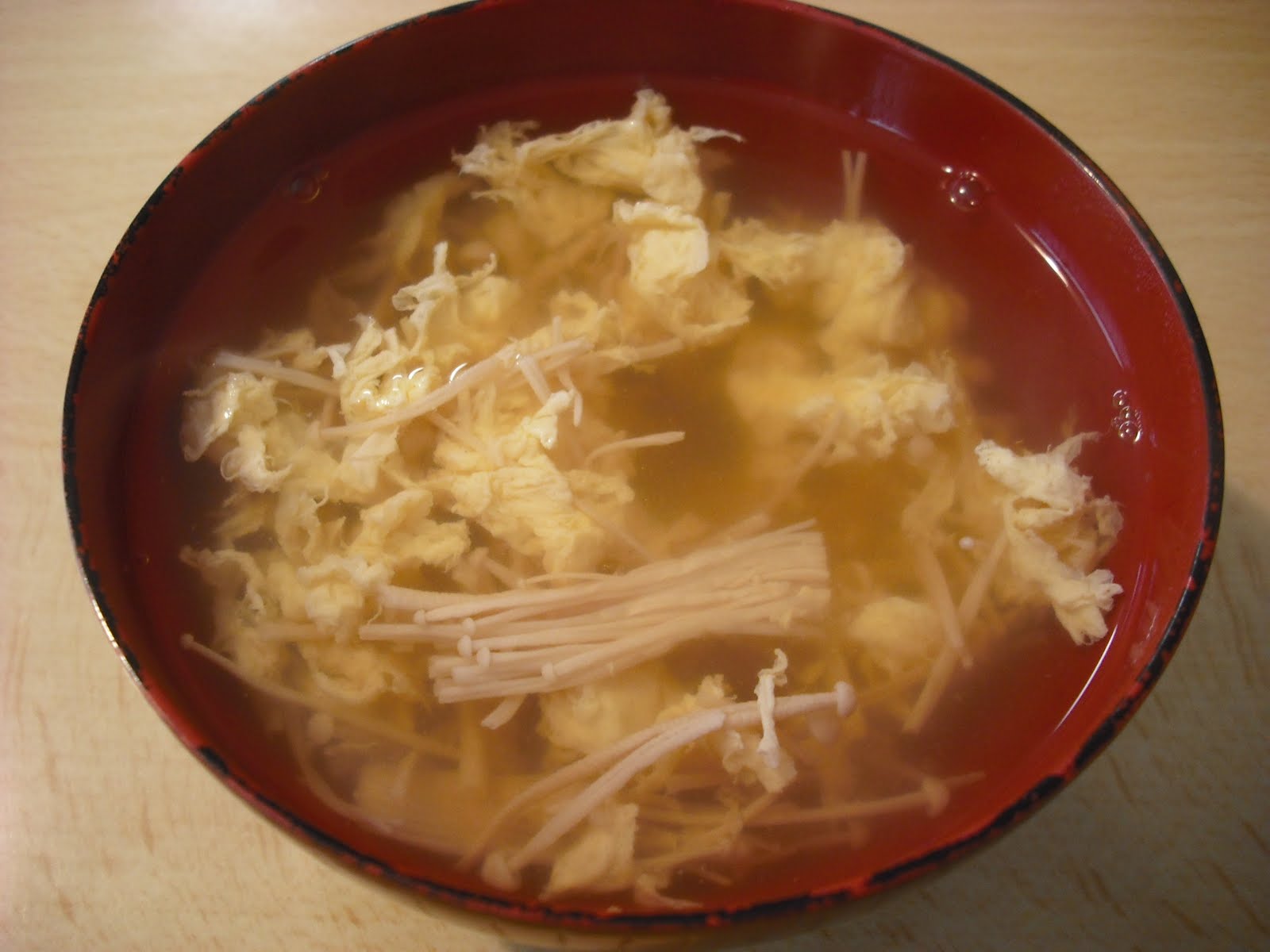
I added a suikuchi to the sumashi jiru (clear soup) just before sipping. It instantly changed my usual sumashi jiru to the type of soup you will have at a high-class Japanese-style restaurant! All my family loved it!
Usually, at such a restaurant, you will be served a bowl of soup with a lid on it. You will take off the lid, inhale the aroma, and you will say, "Wow!!".
吸い口は澄まし汁を飲む直前に入れました。いつもの澄まし汁が高級料亭で飲むような汁に変身しました。家族全員、気に入りました。
普通、そのような料亭では蓋のついたお椀が出されます。蓋を取り、香りをかいで、「ワー」と言うことになります。

I poured some dressing over the leftover shredded cabbage. Again, the yuzu aroma was fantastic!
ドレッシングを残りのキャベツの千切りにかけました。これまた、柚子の香りが素晴らしかったです。

I squeezed some juice from the natsumikan and the grapefruit.
夏みかんとグレープフルーツから果汁を絞りました。

I think I'll have the juice with shochu tomorrow evening. Till then, bye for now!
果汁は明日の夕方、焼酎と一緒に飲もうと思います。それでは、また。

December 23, 2009

6.3-kg Monkfish (Angler Fish)/6.3キロのアンコウ(鮟鱇、あんこう)

This winter, I sent my parents a whole 6.3-kg monkfish (dissected into parts for use in nabe (one-pot dish)) and other seafoods as an oseibo (year-end gift).
In Japan, unlike in other countries, almost all parts of a whole monkfish are eaten.

In Japan, we often talk about "anko no nanatsu dogu" (seven tools of a monkfish), which are:
1. Flesh
2. Skin
3. Stomach
4. Liver
5. Ovaries
6. Gills
7. Fins
Of course, they are all edible.

You can see how a whole monkfish is dissected from here in the Japan Forum on eGullet.
This way of preparing a monkfish is called tsurushi giri (lit. hanging and cutting).
You can also see how Masaharu Morimoto, one of Iron Chefs, dissected his monkfish, using this technique, at Starchefs International Chefs Congress 2008.

You may be interested to view this episode of Iron Chef, where angler fish is the theme ingredient.

The fish dealer, located in Iwate prefecture, kindly sent me some photos of the monkfish they had sent to my parents. They said that the liver (called ankimo in Japanese) was excellent. Looking at the photos, I can't deny that!

This fish dealer is the one that I previously ordered fresh uni and other seafoods from.


今年の冬は、両親にお歳暮として6.3キロのアンコウ(鍋用にさばいたもの)などの魚介類を送りました。
他の国と異なり、日本では、一匹のアンコウの殆ど全ての部分を食用にします。

日本では、よく「アンコウの七つ道具」と言います。それは、
1. 身
2. 皮
3. 胃袋
4. 肝(きも)
5. 卵巣
6. えら
7. ひれ
です。もちろん、すべて食べれます。

一匹のアンコウをどのように解体するかは、eGulletのJapan Forumのここで分かります。
このようなアンコウの処理方法を吊るし切りといいます。
また、料理の鉄人、森本正治がStarchefs International Chefs Congress 2008でどのようにこの方法でアンコウを解体したかも分かります。

アンコウがテーマだった料理の鉄人のこのエピソードも見ると興味深いです。

岩手県にある魚屋さんが、両親に送ったアンコウの写真を送ってくれました。肝が素晴らしいと言っていました。写真を見ると、納得します!

この魚屋さんは、前に生ウニなどの海産物を注文した魚屋さんです。

December 14, 2009

スーパーのお弁当/Supermarket Bento

Today, around noon, I bought one pack of bento at the supermarket I frequent.
今日の昼頃、よく行くスーパーで弁当を一つ買いました。

I had it right away in the area of the supermarket where there were tables and chairs for customers to rest.
スーパーの中にある、お客さんが休めるようテーブルと椅子がおいてあるところですぐに食べました。

Plain cooked rice with some sweet pickle on top, simmered squid, simmered "kiriboshi daikon" (dried strips of daikon), simmered hijiki seaweed, oyako don (chicken and egg donburi) topping, and pickled Chinese cabbage.
白いご飯(甘い漬物がのっている)、イカの煮付け、切り干し大根の煮物、ひじきの煮物、親子丼の具、白菜(ハクサイ)の漬物

A salesperson kindly offered me a cup of green tea and some sweets.
店員さんが親切に緑茶とお菓子を出してくれました。

After I finished it, I checked the sozai section, and found that only one was left. (There were three of them when I bought one.)
食べ終わってから惣菜コーナーを見ると、一つしか残っていませんでした。(私が買った時は3つありました)。

It was a yummy and healthy bento.
美味しく健康的なお弁当でした。

December 4, 2009

Photo Gallery: Bokushi Dori (Street)/フォトギャラリー: 牧之通り

This post is not food-related.
Bokushi Dori (Street) is located here in the Shiozawa area of Minami Uonuma city. The street is named after Suzuki Bokushi, who wrote Hokuetsu Seppu.
One of the striking features of this street is that it has now no utility poles.
I previously posted about New rice festival, which was held on this street on October 4 this year. Notice there were utility poles along the sidewalks of the street.
この投稿は食べ物関連ではありません。
牧之通りは南魚沼市の塩沢地域にあります。
この通りの名前は、北越雪譜(ほくえつせっぷ)を書いた鈴木牧之(すずきぼくし)にちなんでつけられました。
この通りのすごい特徴の一つが、電柱がないということです。
前に、今年の10月4日にこの通りで行われた新米まつりについて投稿しましたが、この時は通りの歩道に沿って電信柱がありました。
Liquor shop, the birthplace of Suzuki Bokushi:
酒屋、鈴木牧之の生家:

The sign in the next photo says, "Hakka En", which was a restorative made from menthol (hakka nou in Japanese).
The Shiozawa area is known for its hakka tou (mint candies), which are cigarette-like sweets like these, and literally melt in your mouth.
次の写真の看板には「薄荷円」と書かれています。メントール(日本語では薄荷脳)から作られる気付け薬です。
塩沢地域は薄荷糖(はっかとう)で有名です。薄荷糖は、このようにタバコの形をしたお菓子で、口の中で溶けます。

Rice shop:
米屋:

Sketches of snow crystals contained in Hokuetsu Seppu:
北越雪譜に書かれた雪の結晶のスケッチ:


Pharmacy:
薬局:

Post office:
郵便局:

North side of the street:
通りの北側:

South side of the street:
通りの南側:

Doctor's office:
医院:

Sourth side:
南側:

Right: Funeral company
Left: Credit union
右: 葬儀屋
左: 信用組合

Gangi (covered alley), another feature of this street:
雁木(この通りの特徴のひとつ):

Credit unit:
信用組合:

Right: Bookstore
Center: Wholesaler
右: 本屋
中央: 卸売業者

Wholesaler:
卸売業者:

Ramen shop:
ラーメン屋:

Aoki Shuzo, sake brewery:
青木酒造(酒造会社):

North side:
北側:

Gangi:
雁木:

Japanese-style pub:
居酒屋:

November 21, 2009

Dried Enokitake/干しエノキタケ

I previously posted about dried enokitake here, and I'll post about it today, too.
I have recently bought 2.5 kg of fresh enokitake from the enokitake factory nearby, dried it all, and tried it in a number of dishes.
干しエノキタケについては以前にここで述べましたが、今日また話そうと思います。
最近、生のエノキタケを2.5キロ、近所のエノキタケ工場から買って、すべて干して、色々な料理に試してきました。
There are two ways to dry enokitake: Drying in the sun for about one day and drying in the shade for two or three days. Of course, you can dry it in a drying machine if you have one. I dried my enokitake in the sun whenever possible. Then, I put the dried enokitake in the microwave and heated it for 40-60 seconds depending on the amount to decompose flammutoxin (a type of hemolytic protein).
(As I said in a previous post, having fresh enokitake is not a good idea because it contains this protein. When heated, enokitake will do you no harm because the protein will be decomposed.)
エノキタケを干すには2つの方法があります。1日程度、日干しするか、2、3日陰干しするか。もちろん、乾燥機があれば、乾燥機で干すこともできます。私はできるだけ日干ししました。そして、干しエノキを電子レンジに入れ、量に応じて40~60秒加熱し、フラムトキシン(溶血性たんぱく質の一種)を分解しました。
(前に言ったように、生のエノキタケにはこのたんぱく質が含まれるため、生食はよくありません。加熱すると分解されるので、問題ありません。)

Some say that dried enokitake tastes like dried squid or dried shrimp. I personally don't think so, but I do like its distinctive flavor.
干しエノキタケはスルメ(干したイカ)や干し海老のような味がすると言いますが、私自身はそうは思いません。でも、その独特な味は好きです。

Clear soup:
澄まし汁:

チャーハン:
Fried rice:

Tempura (kakiage):
天ぷら(かき揚げ):

Soup for udon:
うどん用のスープ:

You can get good dashi from dried enokitake. My son said, "Umai!" when he took the first sip of the soup.
干しエノキタケからはいい出汁がでます。息子は最初にスープを飲んだときに「美味い!」と言いました。

Pizza Mochi/ピザ餅

This is an original dish of mine.
First, I made pizza sauce:
Pan-fry chopped onion in the oil from a can of tuna, add a can of diced tomatoes, some dried basil, and tuna.
Simmer to remove excess water.
これは私のオリジナル料理です。
まず、ピザソースを作りました。
みじん切りにした玉ねぎをツナ缶の油で炒め、さいの目のトマト缶、乾燥バジル、ツナを加えます。
煮て、余分な水分を飛ばします。

When it has cooled, add some tomato ketchup(!). I like to add a considerable amount of it!
冷めたら、トマトケチャップを少し入れます!。私はたくさん入れるのが好きです!

Toast mochi (rice cake) in a toaster oven.
餅をオーブントースターで焼きます。

Put some pizza sauce on a plate, and put some natural cheese on top of it. Put it in a microwave to melt the cheese.
お皿にピザソースを少し乗せ、その上にナチュラルチーズを乗せます。レンジに入れて、チーズを溶かします。
Place the mochi on the plate.
お皿に餅を乗せます。

Delicious! (It may not look so to you!)
美味しい!(そう見えないかもしれませんが!)

November 17, 2009

Korokke (Japanese Croquette)/コロッケ

Last Sunday, my son and I went mushroom hunting again, and gathered some kuritake (Hypholoma sublateritium) among others. After browsing through one of his favorite books on mushrooms, my son told me he wanted me to make korokke using the kuritake.
この前の日曜は、息子とまたキノコ狩りに行き、クリタケなどを採って来ました。息子はお気に入りのきのこの本を見て、クリタケを使ってコロッケを作って欲しいと言いました。

There are basically two types of korokke: Potato korokke whose main ingredient is mashed potato and cream korokke whose main ingredient is white sauce. The former is usually is of "koban" (oval gold coin) shape, while the latter is usually of "tawara" (straw rice bag) shape, that is, cylindrical.
Because the kuritake were of different sizes and shapes and of different stem lengths, I was unable to make my korokke into proper shapes. Some were cylindrical, others were ball-like, and still others were nigiri-shaped.
The ingredients were potatoes (microwaved and mashed), onion (chopped and microwaved), corn, and fake crab meat (instead of ground pork). I seasoned them with salt and pepper.
コロッケには基本的に二種類あります。ポテトコロッケ(主な具はつぶしたジャガイモ)とクリームコロッケ(主な具はホワイトソース)。前者は通常、「小判」形で、後者は通常、「俵」型(つまり、円筒形)です。
クリタケの大きさや形が、また軸の長さがまちまちなので、コロッケを適当な形にできませんでした。円筒状のもあるし、ボール状のもあるし、握り寿司の形のもあります。
具はじゃがいも(レンジでチンしてつぶしたもの)、玉ねぎ(みじん切りにしてレンジでチンしたもの)、トウモロコシ、かにかま(豚のひき肉の代わり)です。塩と胡椒で味付けしました。

The common way is to dust each piece with flour, coat it with beaten eggs, and then coat it with panko (Japanese breadcrumbs), but I tried a new trick: Instead of coating with beaten eggs, I first beat one egg, added some water and what was left of the flour used for dusting, and added additional flour to make a batter like tempura batter. This way, you can make sure that each piece is fully coated with panko.
一般的な方法はそれぞれに小麦粉をまぶし、溶いた卵に入れ、パン粉をつけることですが、新たな裏技を試してみました。溶いた卵に入れるのではなく、卵を一つ溶いて、まぶすのに使った小麦粉の残りを足し、またさらに小麦粉を足し、天ぷらの衣のような生地を作ります。こうすると、それぞれにパン粉を完全につけることができます。

Sixteen pieces of korokke with kuritake that are different shapes and four pieces without kuritake that are of an oval shape:
色々な形の、クリタケの入ったコロッケ16個と、小判形の、クリタケ抜きのコロッケ4つ。

I used canola oil this time.
今回はキャノーラ油を使いました。

The first batch:
最初に揚げたコロッケ:

I had two pieces with lots of tonkatsu sauce and some Japanese mustard (karashi). I also had lots of shredded cabbage.
I also made clear soup with other mushrooms that we gathered.
私は2つ、豚カツソースをたっぷり、カラシを少しつけて食べました。千切りのキャベツもたくさん食べました。
採った他のキノコで澄まし汁も作りました。

Two byproducts:
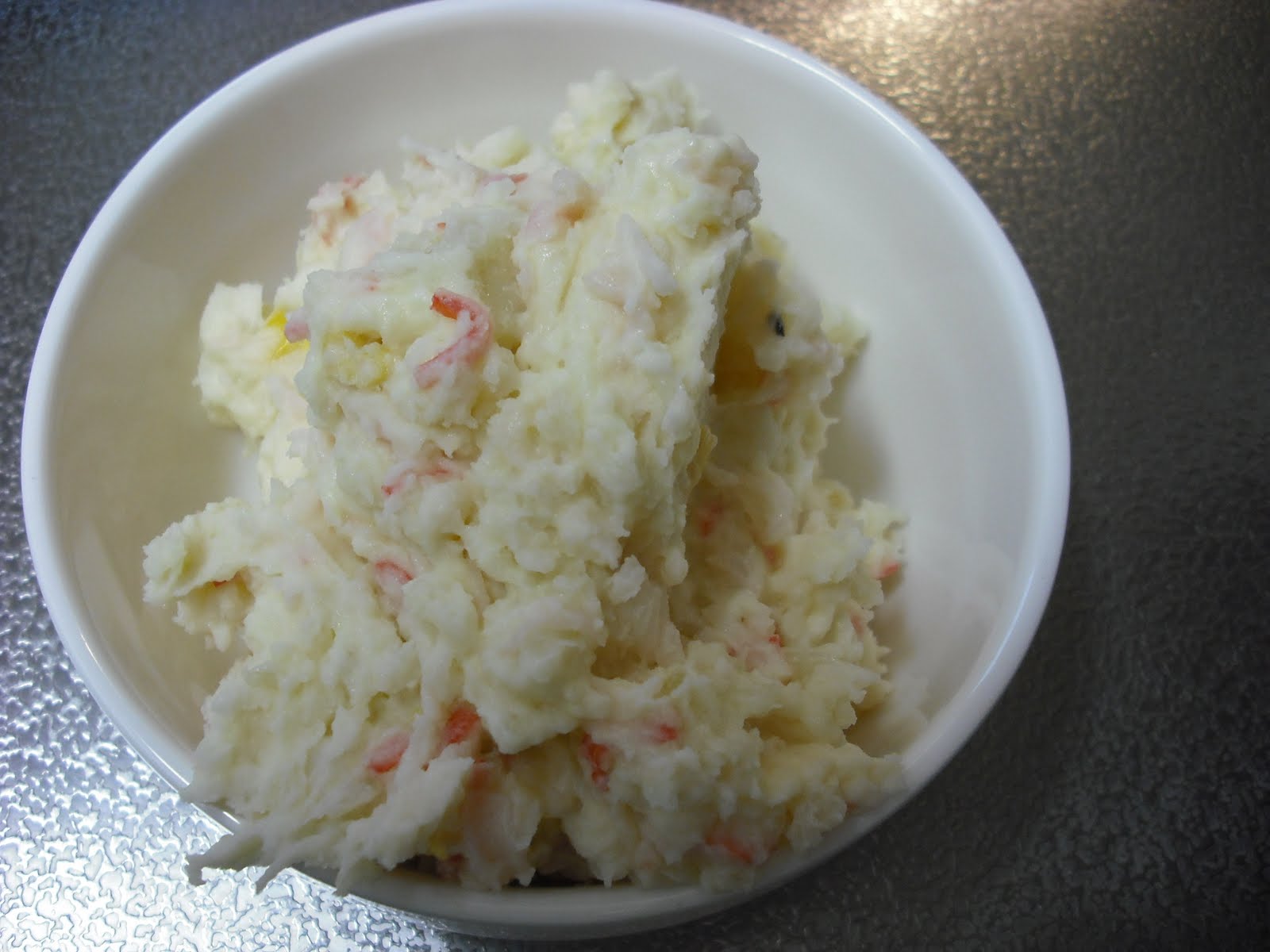
Potato salad, which I made with what was left of the filling by adding some mayo:
副産物が2つ:
残った具にマヨネーズを足して作ったポテトサラダ:

"Pan cake", which I made with what was left of the batter:
生地の残りで作った「ホットケーキ」:

The korokke was a great success, and my son said it was very good. My daughter had the pan cake, and said it was good, too!
コロッケは大成功で、息子はとても美味しいと言いました。娘はホットケーキを食べて、それも美味しいと言いました。