February 19, 2013

Truffles... Sort of/トリュフもどき

Last night, I hit on a good idea:  making truffle-like sweets using chocolate and... katakuriko (potato starch)!  I searched for ideas on the Internet, and I found this recipe (Japanese only).  The ingredients are:
30 g katakuriko
35 g sugarless cocoa powder
70 g sugar
230 ml milk
I thought this particular recipe great because it doesn't even require chocolate.  Today, around noon, I tried this recipe.  I didn't have sugarless cocoa powder, so I used sweetened cocoa powder instead.
Thus, I mixed:
30 g katakuriko
105 g sweetened cocoa powder
230 ml milk
昨晩、いい考えが浮かびました。チョコと片栗粉を使ってトリュフのようなお菓子を作る、ということです。ネットでアイディアを探すと、このレシピを見つけました。材料は
片栗粉 30 g
無糖のココア 35 g
砂糖 70 g
牛乳 230 ml
このレシピはすごいと思いました。チョコさえ要りません。今日、昼頃、このレシピを試しました。無糖のココアはなかったので、砂糖入りのココアを使いました。
従って、次の材料を混ぜました:
片栗粉 30 g
砂糖入りのココア 105 g
牛乳 230 ml


Within minutes after heating on low heat, the mixture turned out like this:
弱火で加熱して数分以内に、こんな感じになります。
 I think I should have added less katakuriko.  It turned very tough.  I used a large spoon to transfer it in a container with cocoa powder in it, one spoonful at a time.
片栗粉の量を減らすべきだったと思います。とても固くなりました。大きさスプーンを使って、ココアの入った容器に、一杯づつ移しました。
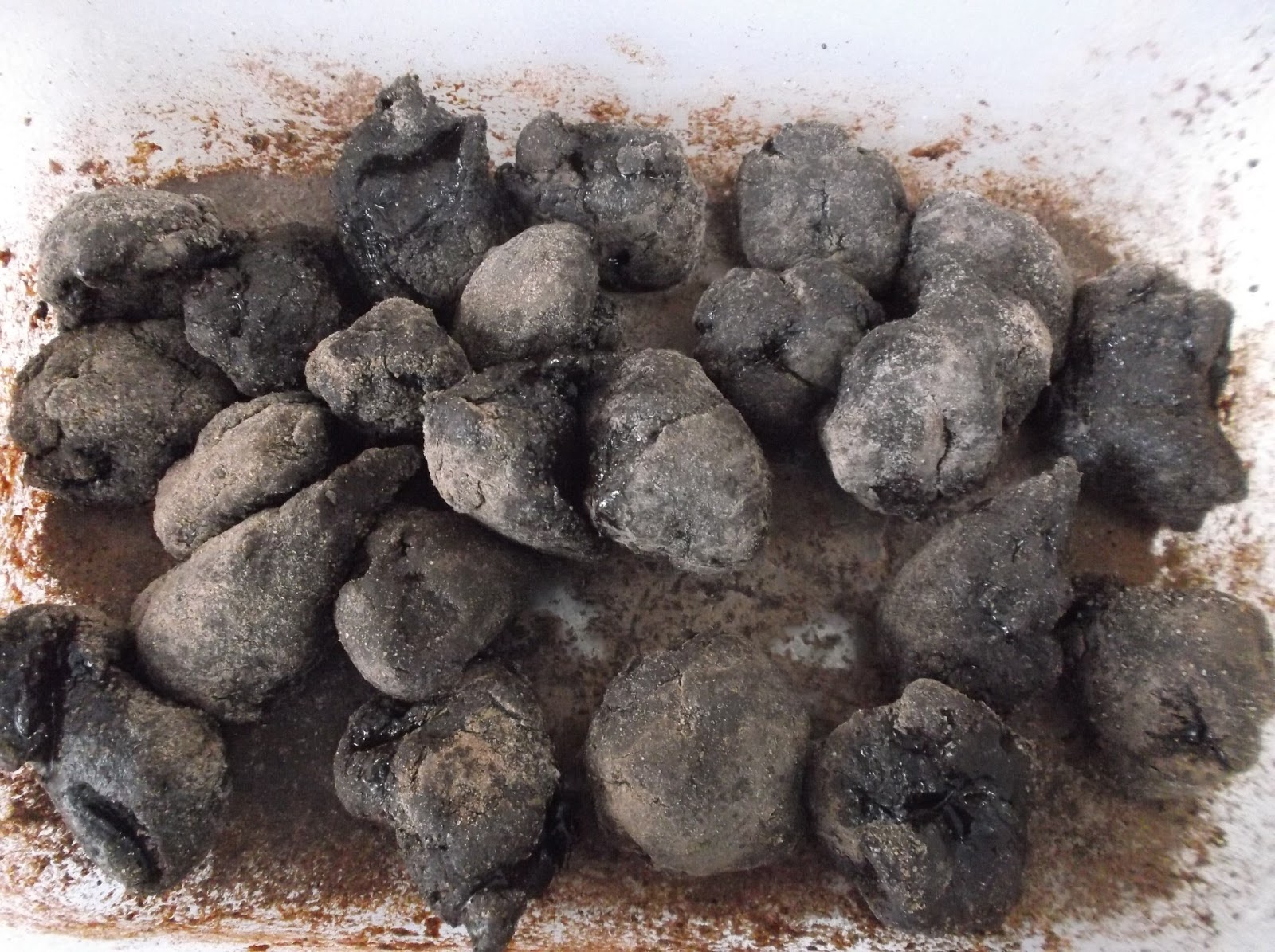
Despite the ugly appearance, the truffle-like sweets were very tasty.  They literally melt in your mouth.
外見は醜いですが、トリュフ風のお菓子はとても美味しかったです。口の中で溶けます。

I will use less katakuriko the next time I make them.
今度作る時は片栗粉の量を減らします。

According to the description of the recipe, these sweets have only one sixth of the calories of real truffles.
レシピの説明によれば、この御菓子のカロリーは本当のトリュフの1/6だそうです。

February 17, 2013

Pickled Nozawana Root/野沢菜のかぶの漬物

My father comes from Shinshu (Nagano), and I have been familiar with some of its local dishes since childhood.  The other day, my father sent us another box of foodstuffs, including five yakimochi or oyaki (fried wheat flour dough with filling inside).
父は信州(長野)出身なので、私は子供の頃から、信州の郷土料理に馴染みがありました。先日、父からまた食料が一箱送られてきました。中には「やきもち」(おやき)も入っていました。

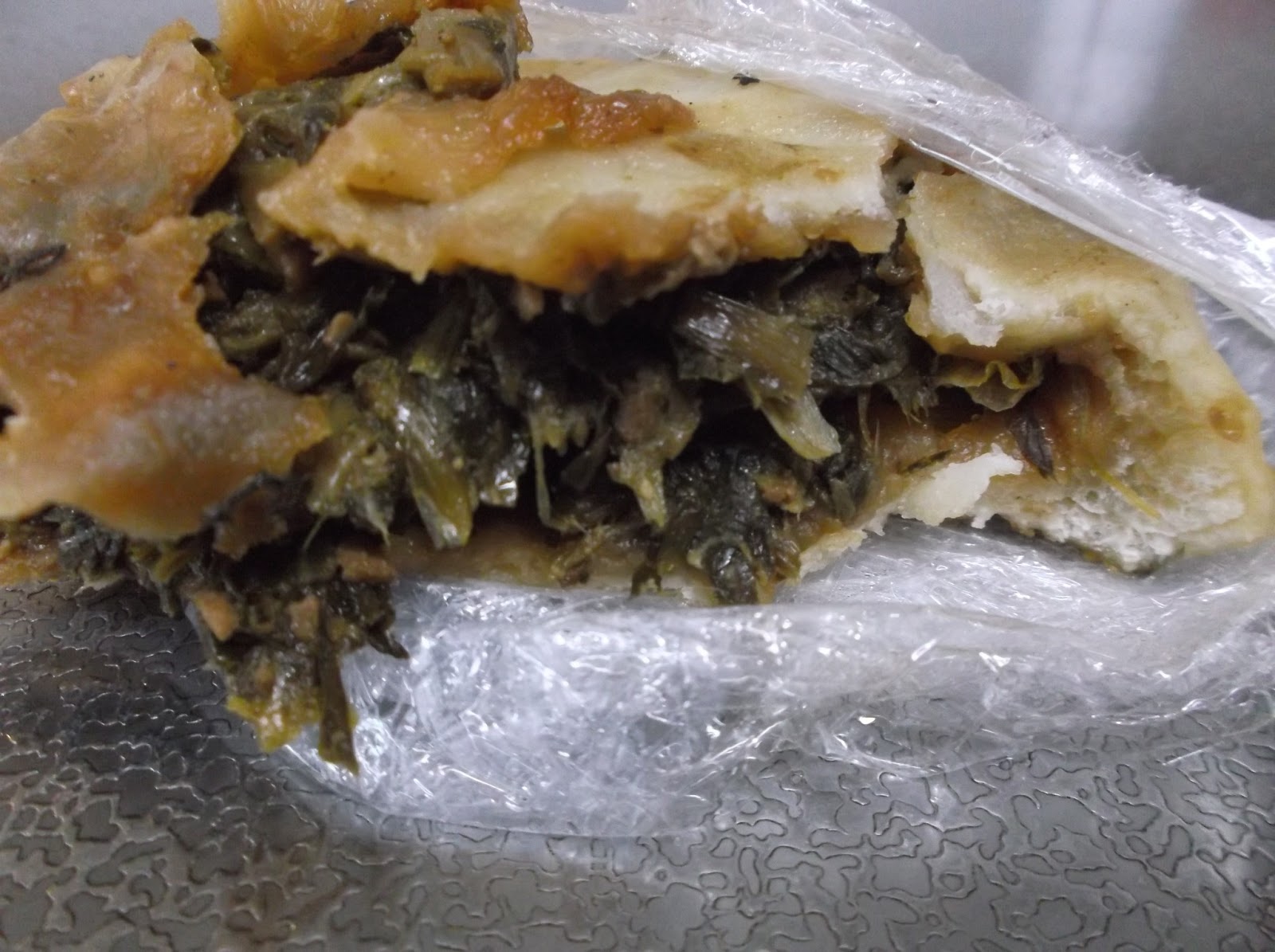
The filling was pickled nozawana seasoned with miso.
具は野沢菜漬けを味噌で味付けたものです。

These particular home-made, rustic yakimochi may not look appetizing, so here are the results of Google image search for Shinshu oyaki.
I must say that I prefer home-made ones.  In general, commercially available yakimochi are sweeter, and contain baking powder.  I also prefer the word yakimochi to oyaki.  Yakimochi is the word my father uses, and oyaki is a newer, more refined word.
こんな自家製で田舎風のやきもちは美味しく見えないかも知れないので、信州 おやきのGoogleイメージ検索の結果をご参照下さい。
私としては、自家製のほうが好きです。一般的に、市販のやきもちは甘く、またベーキングパウダーが入っています。また、おやきという言葉より、やきもちのほうが好きです。父は「やきもち」という言葉を使っています。「おやき」は新しい、上品な言葉です。

The box also contained a large amount of kiriboshi daikon.
箱には切干し大根も沢山入っていました。

And these mysterious greens.
そしてこの奇妙な菜っ葉も。

And, turnips?
そして蕪(かぶ)?

I thought something was wrong with the box, so I phoned my father immediately.  As we talked, my father realized that the box was not for us but for her sister.
この箱は何かおかしいと思い、父にすぐ電話しました。話しているうち、この箱は私たちのではなく、妹に送る箱だったことに父は気付きました。

I felt sorry for my aunt.  My father said she really wanted to make yakimochi with these "turnips".  He said we could keep them, because he still had some in his field.  He suggested that I make yakimochi with them, but I thought it would be a daunting task, so I decided to pickle them instead.
叔母に悪いと思いました。この「かぶ」を使ってやきもちを作りたかったそうです。でもまだ畑に残っているので、私たちがもらっていいと言ってくれました。やきもちを作ったらどうか、と言われましたが、大変な仕事だと思ったので、代わりに漬けることにしました。

I first pickled them in 2% salt and some kombu.
まずは2%の食塩と昆布で漬けました。

I tasted them the next day.  Not bad, but I added some sugar and vinegar.
次の日、味見しました。悪くはないですが、砂糖とお酢を入れました。

Tasted much better!
もっと美味しくなりました!

These "turnips" are actually the roots of nozawana.  Nozawana is grown for its stems and leaves, and the roots are usually left in the field, uneaten.
この「かぶ」は実は野沢菜の根っこです。野沢菜は茎と葉を食べるために栽培され、根は通常、畑に残したまま食べません。

I wonder why such delicious roots are left uneaten...
なんでこんな美味しい根っこを食べないんでしょう・・・。

The mysterious greens were nozawana stems and leaves.  I pickled them in salt.
奇妙な菜っ葉は野沢菜の茎と葉でした。塩漬けしました。

February 16, 2013

Five Recipes/五つのレシピー


1. Dried mushroom furikake
Ingredients:
5 g dried shiitake 
5 g dried eryngii
5 g dried buna shimeji
5 g dried maitake
5 g dried bonito shavings 
5 g dried shrimp 
5 g ano nori 
10 g white sesame seeds
1/2 tsp salt
1 tsp sugar

Directions:
0. Thinly slice shiitake and eryngii with a knife, tear buna shimeji and maitake by hand, and dry.

1. Break each dried mushroom into small pieces by hand, and crush in Milser (small-size blender).
2. Crush dried shrimp in Milser.
3. Put dried bonito shavings in an I-Wrap bag, heat in microwave for tens of seconds, and crush by hand. (Alternatively, roast in frying pan and crush.)
4. Put all ingredients in a container, and mix.

***
2. "Kinshobai"-style dried mushroom furikake
Ingredients:
Several types of dried mushroom (for example, eryngii, buna shimeji, and maitake)
      100 g in total
50 g dried bonito shavings
5 g finely shredded kombu
50 g white sesame seeds
30 g walnuts

3 tbsp soy sauce
3 tbsp mirin
1 tbsp vinegar

Directions:
0. Dry mushrooms.
  Thinly slice eryngii with a knife, tear buna shimeji and maitake by hand, and dry.
1. Break all dried mushrooms into small pieces by hand, and crush in Milser (small-size blender) or food processor.
2. Crush kombu in Milser.
3. Slightly roast dried bonito shavings and crush.
4. Put all ingredients in frying pan (break walnuts into small pieces by hand), mix, and heat on low heat for several minutes.

***
3. Kirizai with mushrooms pickled in rice bran

Ingredients:
Several types of mushroom such as enoki and oyster mushroom
Daikon
Carrot
Pickled nozawana

Other ingredients of choice, for example, shirasu (boiled baby sardines)

Natto

Directions:
0. Pickle mushrooms in rice bran.
Pickle other ingredients (daikon and carrot) in rice bran, if preferred.
1. Finely chop each ingredient.
2. Mix with natto.

Notes:  The Council added this caution:
Mushrooms cannot be eaten raw.  Be sure to heat them by boiling, for example, before pickling.
Personally, I don't think this caution is necessary.

Kirizai is a popular local dish here in the Uonuma region of Niigata.  The main ingredients are natto and pickled nozawana.

***
4. Dried mushroom "harihari zuke"

Ingredients:
500 g enoki take
150 g oyster mushroom

3 tbsp vinegar
3 tbsp soy sauce
1 tbsp sugar
1 red pepper
10 x 10 cm kombu

Directions:
0. Dry mushrooms. (First tear oyster mushroom by hand.
1. Heat dried mushrooms in microwave for 40 seconds.
2. Slighly rinse, and drain well.
3. In a container, combine seasonings, add dried mushrooms, and mix well.
4. Let sit in the fridge for at least 3 hours.

***
5. Dried mushroom and walnut tsukudani

Ingredients:
40 g dried buna shimeji 
10 g dried mushroom slices

20 g walnut
10 g dried shrimp
2 tbsp white sesame seeds

2 tbsp each of sake, soy sauce, and mirin
1 tsp each of sugar and vinegar

Directions:
1. In a pot, put sake, soy sauce, mirin, sugar, and vinegar, and bring to a boil.
2. Add dried buna shimeji, dried shiitake, walnuts, and dried shrimp, and stir on low heat.
3. Add white sesame seeds and mix well.

----------

1. 干しきのこのふりかけ
材料:
干ししいたけ 5 g
干しエリンギ  5 g
干しブナシメジ  5 g
干しマイタケ  5 g
花かつお 5 g
桜えび 5 g
青海苔 5 g
白ごま 10 g
塩 小さじ1/2
砂糖 小さじ1

作り方
0.しいたけとエリンギは包丁で薄く切り、ブナシメジとマイタケは手で裂いて、干す。
1.干しきのこをそれぞれ、手で細かくしてから、ミルサー(小型のミキサー)で砕く。
2.桜えびもミルサーで砕く。
3.花かつおはアイラップに入れ、電子レンジで数十秒加熱し、アイラップに入れたまま、手で砕く(または、フライパンで少し煎ってから砕く)。
4.材料をすべて容器に入れ、混ぜる。

***
2. 「錦松梅」風干しきのこのふりかけ
材料:
干しきのこ 数種類(例えば、エリンギ、ブナシメジ、マイタケ)
      全部で100 g
花かつお 50 g
糸昆布 5 g
白ごま 50 g
くるみ 30 g

しょう油 大さじ3(45 ml)
みりん 大さじ3(45 ml)
お酢 大さじ1(15 ml)

作り方
0.きのこを干す。
エリンギは包丁で薄く切り、ブナシメジとマイタケは手で裂いて、干す。
1.干しきのこをすべて手で細かくしてから、ミルサー(小型のミキサー)やフードプロセッサーで砕く。
2.糸こんぶもミルサーで軽く砕く。
3.花かつおはフライパンで少し煎ってから砕く。
4.材料をすべてフライパンに入れ(くるみは手で細かくしてから)、混ぜ、弱火で数分加熱する。

***
3. きのこのぬか漬けのきりざい

材料:
エノキ、ヒラタケなど、きのこ数種類
大根
にんじん
野沢菜漬け

その他、お好みの具材。例えば、
しらす

納豆

作り方
0.きのこをぬか漬けにする。
  好みで、他の具材(大根、にんじん)もぬか漬けにする。
1.それぞれ細かく刻む。
2.納豆と混ぜる。

注: 協議会では、次の注意を付け加えました:
なお、きのこは生で食べることは出来ませんので、茹でる等、火をとおしてから漬けるようにしてください。
個人的には、この注意は不要だと思います。

きりざいとは、新潟の魚沼地域で一般的な郷土料理です。主な材料は納豆と野沢菜漬けです。

***
4. 干しきのこの「はりはり漬け」

材料:
エノキタケ 500 g
ヒラタケ 150 g

お酢 大さじ3
しょう油 大さじ3
砂糖 大さじ1
唐辛子 1つ
昆布 10 x 10 cm 一枚
作り方
0.キノコを干す(ヒラタケは手で裂いてから)。
1.干しキノコを電子レンジで40秒程度加熱する。
2.軽く洗って、よく水を切る。
3.容器に調味料を合わせ、干しキノコを入れ、よく混ぜる。
4.冷蔵庫に3時間以上入れておく。

***
5. 干しきのことクルミの佃煮

材料:
干しブナシメジ 40 g
干しシイタケのスライス 10 g
クルミ 20 g
小えび 10 g
白ごま 大さじ2

酒、しょう油、みりん 各大さじ2
砂糖、お酢 各 小さじ1

作り方
1.鍋にお酒、しょう油、みりん、砂糖、お酢を入れ、沸騰させる。
2.干しブナシメジ、干しシイタケ、クルミ、小えびを入れ、弱火でからめる。
3.白ごまを足し、よく混ぜる。


February 15, 2013

My Award-Winning Recipe for Kirizai with Mushrooms Pickled in Rice Bran/受賞したレシピー「きのこのぬか漬けのきりざい」


I have won a "special award" in a recipe content conducted by the Uonuma Kinoko and Sansai Promotion Council, as you can see here (last photo but one).
ここ(最後から2つ目の写真)に書かれている通り、魚沼きのこ・山菜振興協議会開催のレシピコンテストで「特別賞」を受賞しました。

The theme of the 2012 winter content was:  gohan ga susumu! kinoko ryori.
gohan = cooked rice
susumu = to advance, 
kinoko = mushroom
ryori = dish
"Gohan ga susumu" is a common expression pertaining to a dish that will make you want to have more rice as you eat it.  
2012年冬のコンテストのテーマは「 ご飯が進む!きのこ料理」。「ご飯が進む」とは、食べるとご飯がもっと欲しくなるような料理のことを指す一般的な表現です。

I actually submitted five different recipes, and the third one won the award.
実際は五つのレシピを提出し、三番目のレシピが受賞しました。


The recipes are:
五つのレシピは以下の通り。

1. Dried mushroom furikake
1. 干しきのこのふりかけ

2. "Kinshobai"-style dried mushroom furikake
2. 「錦松梅」風干しきのこのふりかけ

3. Kirizai with mushrooms pickled in rice bran
3. きのこのぬか漬けのきりざい

4.  Dried mushroom "harihari zuke"
4.  干しきのこの「はりはり漬け」

5. Dried mushroom and walnut tsukudani
5. 干しきのことクルミの佃煮


I will post about the recipes when I have the time.
時間が取れた時にレシピを載せます。

Today, I received this award from the Council.
今日は、協議会からこの賞品を頂きました。

Five mushrooms (enoki, eryngii, shiitake, buna shimeji, nameko), simmered nozawana, butterbur tsukudani, and mushroom-shaped strap
5種類のきのこ(エノキ、エリンギ、シイタケ、ブナシメジ、ナメコ)、野沢菜煮、ふきのとう佃煮、きのこの形をしたストラップ


February 13, 2013

Natsumikan Peels Simmered with Sugar, Part 2/夏みかんの皮の砂糖煮、パート2

I dried the peels overnight.  This morning, I tasted a rather shriveled one, and I found it slightly tough.  So, I gave up drying them any longer.  I first put 1 tbsp sugar in an I-Wrap bag, added half the peels, closed the bag, and shook well.  The peels looked like this.  Still wet.
皮は一晩干しました。ちょっと縮んだのを味見すると、少し固くなっていたので、これ以上干すのは諦めました。アイラップに砂糖を大さじ1入れて、皮を半分入れ、袋を閉じて、よく振りました。皮はこんな感じになりました。まだ乾いてません。
Interestingly, the total weight of the peels was 400 g, the same weight they had before being dried.
面白いことに、皮の総重量は400 gで、干す前と同じになりました。
I thought I would skip tempering chocolate until I found an easy way to do so using a microwave on the Internet.
チョコのテンパリングは省略しようと思っていたのですが、電子レンジを使って簡単にする方法をネットで見つけました。

Break 60 g chocolate into small pieces, heat in a 500-W microwave for 1 minute and 30 seconds, i.e., 90 seconds (for 90 x 0.8 = 72 seconds for a 600-W one and for 90 x 0.7 = 63 seconds for a 700-W one).  Half the chocolate should still be solid.  Mix with a rubber spatula.  The temperature should be 28-30C for milk chocolate and 30-31C for black chocolate.
チョコ60 gを小さく割って、500 Wの電子レンジで1分30秒、つまり90秒(600 Wなら、90 x 0.7 = 72秒、700 Wなら、90 x 0.6 = 63秒)加熱する。全体のチョコのうち半分はまだ固形のまま。ゴムベラで混ぜる。温度はミルクチョコの場合28~30C、ブラックチョコの場合30~31C。

Before:
加熱前:
After:
加熱後:
I coated some of the peels with the chocolate.
皮を幾つかチョコでコーティングしました。
They didn't look delicious, so I gave up the idea of giving them to relatives and acquaintances.
美味しそうに見えないので、親戚や知り合いに贈ることは諦めました。

Close-up of one stick:
一つをクローズアップ:
After one bite:
一口食べた後:
Despite the ugly shape, it was really delicious!
形は醜いですが、本当に美味しいです!

By the way, on February 11 (national holiday in Japan), my daughter and I made cookies for Valentine's Day.  This is the first batch.  We made four batches in total, using the toaster oven as usual.  They look rather childish for my 13-year-old daughter, but she said that everyone liked them last year and she wanted to make the same cookies again this year.
ところで、2月11日(日本では休日)、娘とバレンタインのクッキーを作りました。これは最初の分です。いつも通りオーブントースターを使って、全部で4回作りました。13歳の娘にしてはちょっと子供っぽく見えますが、去年みんな喜んだので、今年も同じクッキーを作りたかったそうです。 

February 12, 2013

Natsumikan Peels Simmered with Sugar/夏みかんの皮の砂糖煮

This morning, I simmered the marmalade for another few minutes, and transferred to a 1,800-ml tupperware container.  It's now in the fridge.  I didn't put it in jars because I think it can be consumed by us in weeks, mostly by my wife (laugh).
(I initially planned to use five natsumikan, but I ended up using only three of them because I was sure that they would not fit in the enameled pot.)
今朝、マーマレードをもう数分煮てから、1,800 mlのタッパーに移しました。今は、冷蔵庫に入ってます。瓶詰めはしませんでした。数週間でなくなると思うので。特に妻が食べると思います(笑)。 (当初は、夏みかんを5個使う予定だったのですが、結局、3個しか使いませんでした。ホウロウ鍋には絶対、全部入らないだろうと思ったからです。)  
Next, I made natsumikan no kawa no sato ni (natsumikan peels simmered with sugar), also called natsumikan no kawa no sato zuke.
次に、夏みかんの皮の砂糖煮を作りました。夏みかんの皮の砂糖漬けとも呼ばれます。

First, I simmered the peels for 10 minutes, and drained.
まず皮を10分煮て、水を切りました。
I measured the peels, and they were 400 g in total.  In an enameled pot, I put the peels, and added 200 g sugar, although the sugar should be 80-100% of the peels according to one recipe.  I kept simmering until the water was almost gone.
皮の重さを測ると、全部で400 gでした。ホウロウ鍋に皮と砂糖を200 g入れました。或るレシピでは、砂糖は皮の8割~10割なのですが。水分が殆どなくなるまで煮ました。

The sugar didn't crystallize (because of its low content?), so I thought I'd dry the peels.
砂糖が結晶化しない(量が少ないせい?)ので、皮を干そうと思いました。
I thought I could not keep placing them on the kitchen counter, so I transferred them to the drying net in my work room.
台所のカウンタにずっと置いてはおけないと思い、仕事場の干し網に移しました。
I tasted some, and found them incredibly good!
少し味見しましたが、信じられないくらい美味しいです!

To be continued.
続く。

February 11, 2013

Natsumikan Marmalade, Part 2/夏みかんのマーマレード、パート2

Today, I changed the water three times in total, until my wife said it was OK.
今日は、妻がOKと言うまで、3回水を替えました。

In an enameled pot, I added 3/5 of the natsumikan flesh (including membranes and pips) and 3/5 of the peels.  My wife asked me to reduce the amount of sugar, so  I added 350 g.  The natsumikan to sugar ratio was about 3:1, much lower than the ratio of 2:1 in one recipe I found.
ホウロウ鍋に、夏みかんの果肉(袋の皮も種も含む)の3/5と皮を3/5入れました。砂糖の量を減らして、と妻が言うので、350 g入れました。夏みかんと砂糖の割合は約3:1で、私が見つけた或るレシピの2:1という割合よりずっと低いです。
I heated the pot on and off for a total of one hour or so.  While so doing, I added about 400-600 ml of water to keep the contents from scorching.  I asked my wife to taste some because she is a better judge of marmalade (I really don't care for marmalade), and I got an endorsement from her, but she added that the marmalade was still runny.  So, I heated it for some more time to reduce the water.
火をつけたり消したりしながら、鍋を合計1時間程度加熱しました。その間に水を400~600 ml足して、中身が焦げないようにしました。妻のほうがマーマレードの味が分かるので(私自身はマーマレードはあまり好きではありません)、味見してもらいました。妻からお墨付きを頂きましたが、まだ水っぽいと言うので、もうしばらく加熱して水分を減らしました。
Very rustic-looking marmalade, I should say (laugh).
とても田舎風のマーマレードと言うべきでしょうか(笑)。

Next, I have to deal with the remaining 2/3 of the peels.
次は、残りの2/3の皮をどうにかしないと。