May 7, 2017

Helping My Father with His Field Work/父の畑仕事の手伝い

Today, I helped my father with his field work all day.
今日は、父の畑仕事を一日中手伝いました。
 
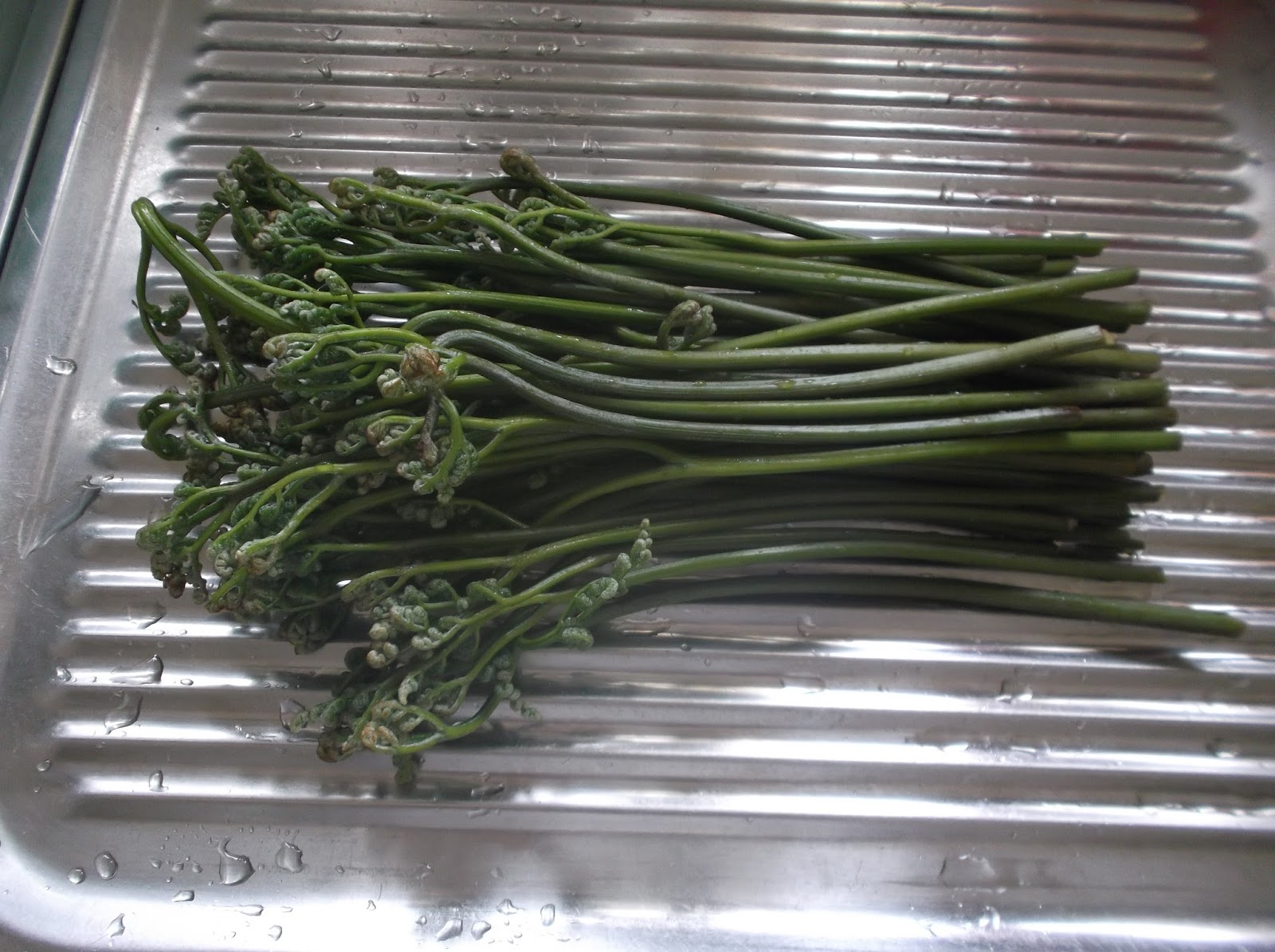
First, he took me to the spot he recently found where warabi (young shoots of bracken fern) comparable to those found in the Snow Country can be collected.
まずは、父が最近見つけた、雪国で見られる蕨(わらび、ワラビ)に匹敵する蕨が採れる場所に連れて行ってもらいました。 
It may be hard to see from a photo, but
写真では分かりずらいかもしれませんが、
we were able to collect this amount of warabi in no time.
すぐにこれだけの量の蕨が採れました。
Our work in the morning was to cut the sasa (bamboo grass), which was quite hard work because we had to cut the sasa manually, using scissors, except the sasa thin enough to cut with the grass cutter. Besides, there were rose plants.
午前中の仕事は笹(ささ)刈りでした。草刈り機で切れる笹以外は、手で(ハサミを使って)切る必要があったので、かなり大変でした。それに、バラの木もありました。 
Warabi we collected:
採った蕨:
Our work in the afternoon was to put up a net over the buckwheat field.
午後の仕事は、そば畑にネットを張ることでした。

Tomato plants:
トマトの苗:
Momotaro, the most popular variety in Japan.
日本で一番人気のある、桃太郎という品種です。

My father has two ume trees in this field.
父は、この畑には梅の木を二本持っています。
The ume fruits can be picked up in June.
梅は6月に採れます。
It took us more than two hours to put up a net over the 23 x 8 m field, although my father had made preparations in advance.
父は前もって準備していましたが、23 x 8 mの畑にネットを張るのに2時間以上かかりました。

This is the green house for strawberries.
イチゴのハウスです。
More than 70 strawberry plants
イチゴの苗が70本以上
We collected this amount today.
今日はこれだけ採れました。
Before leaving the field, my father cut some young shoots of myoga (Japanese ginger).
畑から戻る前、父は茗荷の茎を少し採りました。


Just chop them, season with soy sauce, and put them on top of hot rice, according to my father.
父によると、刻んで、しょう油で味付けし、温かいご飯の上に乗せるそうです。
 
Edited to add:
Even though I was exhausted, I made udon using the noodle maker for my noodle-loving father.
追記:
疲れていましたが、麺好きな父のために、ヌードルメーカーでうどんを作りました。
Kishimen, flat and wide noodles, kind of udon my father likes.
400 g churikiko (all-purpose flour)
144 g water
No salt
Kneading time: 8 minutes. I think that the default kneading time of 5 minutes is enough.
きしめん(平たく幅広いうどん)、父が好きなタイプのうどんです。
中力粉 400 g
水 144 g
塩なし
こね時間: 8分。標準のこね時間5分で十分だと思います。
 

May 6, 2017

Ni-Hachi Soba/二八そば

Ni-hachi (lit. two-eight) soba is buckwheat noodles made with 20% wheat flour and 80% buckwheat flour. Well, as a matter of fact, the juwari soba that I made the other day was not as tasty as we had expected, and my father suggested that I make ni-hachi soba the next time.
二八そばは、小麦粉2割、そば粉8割で作ったそばのことです。実のところ、先日私が作った十割そばは予想より美味しくなく、父に、今度は二八そばを作ったらどうかと言われました。

My father handed me this bag of domestically produced tsunagi (binding) wheat flour. This bag, which contains 300 g flour, is 180 yen according to the manufacturer's website.
父からこの国産つなぎ小麦粉を渡されました。メーカーのサイトによると、小麦粉が300 g入ったこの袋で180円です。

The buckwheat flour was also quite expensive. This bag of 400 g buckwheat flour, produced in Hokkaido, is 700 yen.
そば粉もかなり高価です。北海道産のこのそば粉400 gは700円です。

First, put a pot of large mount of water on the stove.
まずは、水をいっぱい入れた鍋をコンロにかけます。

In a mixing bowl, mix 400 g buckwheat flour and 100 g wheat flour.
ボールでそば粉を400 g、小麦粉を100 g混ぜます。
Transfer to the noodle maker.
ヌードルメーカーに移します。
Set the kneading time to 8 minutes. Press the Start button.
もみ時間を8分にセットします。開始ボタンを押します。
Pour 180 ml water little by little.
水を180 ml少しずつ注ぎます。
Extrusion automatically starts ten seconds after the kneading process is completed.
こねが終わると10秒後に自動的に押し出しが始まります。
IMPORTANT: DON'T TOUCH THE NOODLES. NO DUSTING IS REQUIRED.
This applies to other types of noodles, such as udon and ramen.
重要: 麺を触らないこと。打ち粉は不要です。
うどんやラーメンなど他のタイプの麺でも同様です。

Boil the noodles for 6 minutes or so.
6分程度茹でます。
IMPORTANT: STIR VERY GENTLY WITH A PAIR OF CHOPSTICKS TO PREVENT THE NOODLES FROM STICKING.
重要:麺がくっつかないよう、箸でとても優しくかき混ぜます。

I transferred some of the water from the pot to another pot to drink as "soba yu" after eating the soba.
鍋のお湯を少し、別の鍋にあけ、そばを食べた後に、そば湯として飲みました。
Just mix the water with some men-tsuyu (dipping sauce for noodles) and drink it.
お湯を麺つゆと混ぜて飲みます。
Well,... not bad, but dried soba would be as tasty.
悪くはないですが、乾麺でも同じくらい美味しいです。

My father and I have decided not to make any more soba until my father harvests buckwheat in the summer. We are going to use the noodle maker mainly to make udon from now on.
父と私は、父が夏にそばを収穫するまでは、そばは作らないことにしました。これからは主にうどんを作るのにヌードルメーカーを使うつもりです。

Cleaning the noodle maker is rather cumbersome, but I manage to clean it within 3 to 5 minutes.
ヌードルメーカーをきれいにするのはちょっと面倒ですが、3~5分以内でどうにかできます。
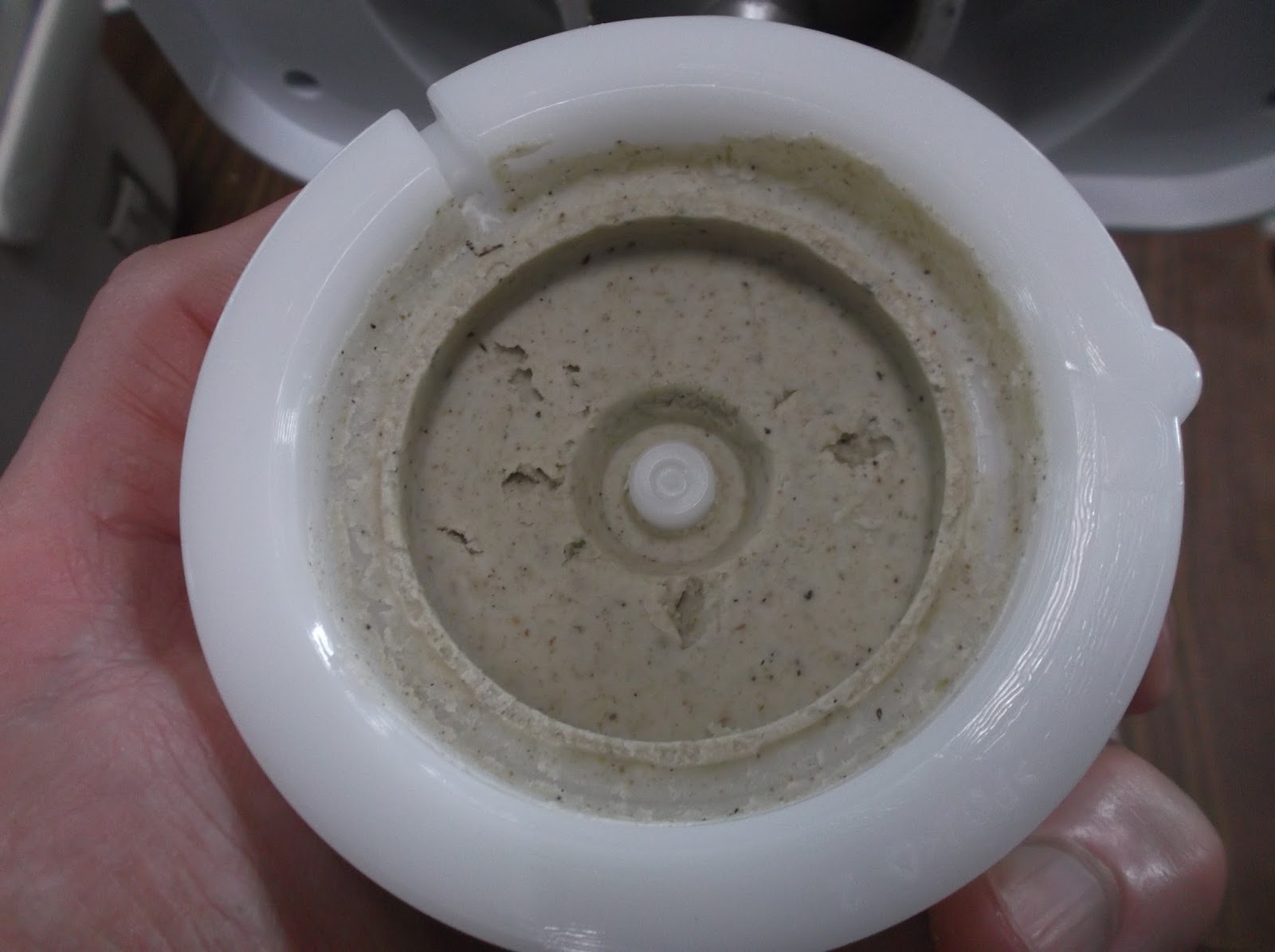
For easy removal of the dough residues, put the shaping disk in the freezer for two hours according to the instruction manual.
取説に従い、生地の残りを取りやすくするため、製麺用キャップは2時間冷凍庫に入れます。


You can keep the residues in the fridge or freezer for later use. I simply put them in miso soup.
残りは冷蔵庫や冷凍庫に入れて、後で使えます。私は単に味噌汁に入れます。

May 5, 2017

Hiyashi Chuka.../冷やし中華...

Today, It was quite hot here in Chiba, so I decided to make hiyashi chuka instead of hot ramen for supper.
今日は千葉ではかなり気温が高かったので、熱いラーメンではなく、冷やし中華を作ることにしました。
 
400 g churikiko (similar to all-purpose flour in the U.S.).
I wanted to use kyorikiko (bread flour) but I didn't have any in the kitchen.
4 g salt, which I forgot to add.
4 g baking soda
144 g water (cold water + baking powder solution)
中力粉 400 g(米国ではall-purpose flour)
強力粉(パン用の小麦粉)を使いたかったのですが、台所にはありませんでした。
塩 4 g(入れるのを忘れました)
重曹 4 g
水 144 g(冷水と重曹液を合わせて)
 
1. Put flour in the noodle maker. Set the kneading time to 8 minutes.
1. ヌードルメーカーに小麦粉を入れます。こね時間を8分に設定します。
2. In a container, put baking soda, add some water, and microwave for several minutes to decompose baking soda (sodium hydrogen carbonate) into sodium carbonate, water, and carbon dioxide. Add water to obtain 144 ml solution.
2. 容器に重曹を入れ、水を少し入れ、電子レンジで数分加熱し、重曹(炭酸水素ナトリウム)を炭酸ナトリウム、水、二酸化炭素に分解します。水を足し、144 mlの溶液にします。
3. Add the solution to the maker little by little.
3. 液をヌードルメーカーに少しずつ入れます。

I made a silly mistake! I forgot to replace the 1.5mm*13mm shaping disc with the 1.6mm square or 2mm round one.
バカげた間違いをしてしまいました!1.5mm*13mmの製麺用キャップを1.6mm角麺か2mm丸麺用キャップに代えるのを忘れました。
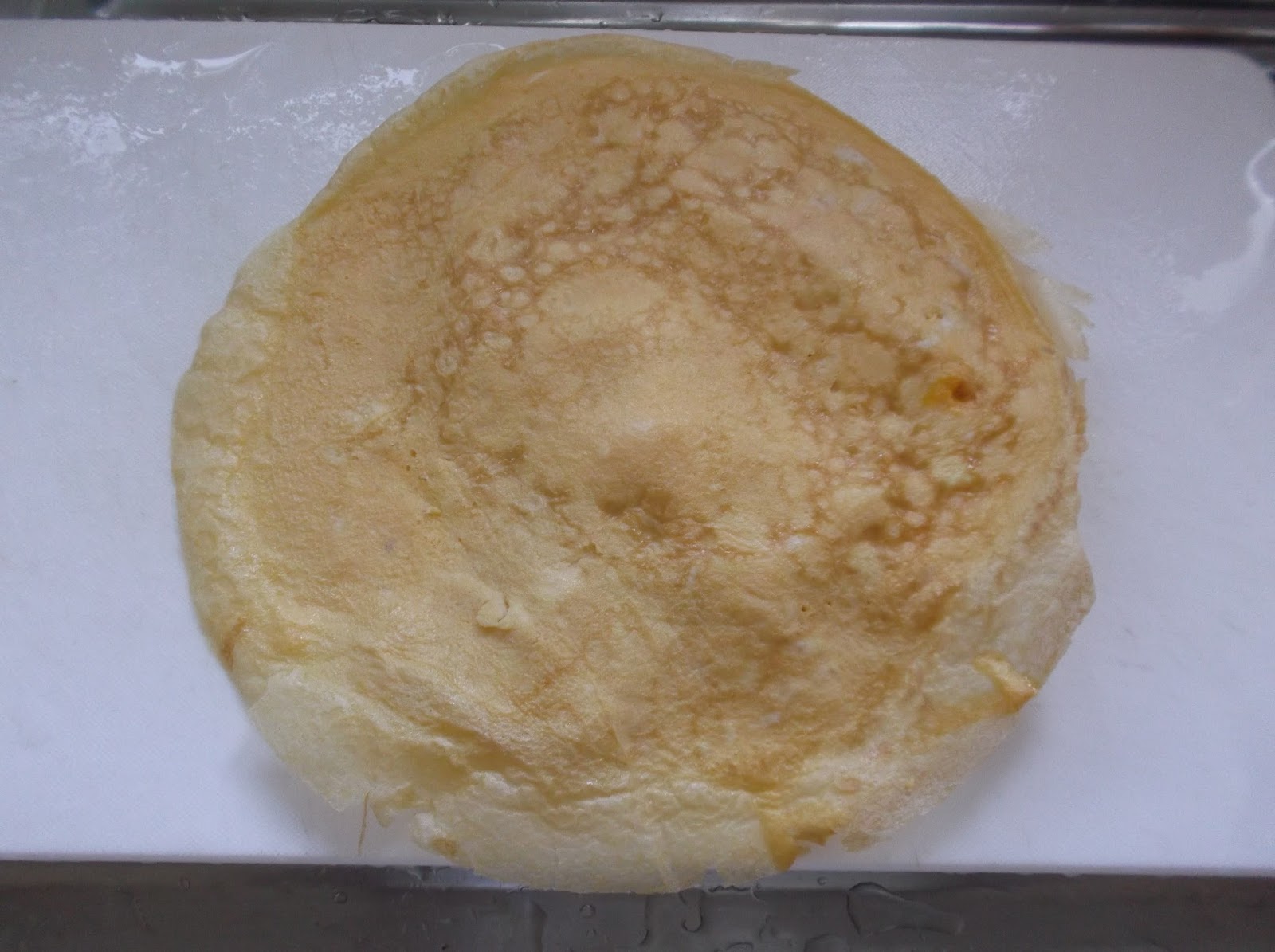
I got this amount of dough left in the maker.
生地がヌードルメーカーにこれだけ残りました。
4. Boil the noodles.
4. 麺を茹でます。
I boiled the noodles for a total of 6 + 2 = 8 minutes.
麺を合計6 + 2 = 8分茹でました。


5. Rinse in cold water two or three times.
5. 冷水で二回洗います。
For toppings, I used two cucumbers, some ham, three eggs, and a tomato.
トッピングには、きゅうり2本、ハム、卵3個、トマトを使いました。


For the sauce, I combined:
100 ml vinegar
80 ml soy sauce
1.5 tbsp sugar
1 tsp instant dashi
1 tbsp sesame oil
タレには、
お酢 100 ml
しょう油 80 ml
砂糖 大さじ1.5
出汁の素 小さじ1
ごま油 大さじ1
を合わせました。
I also used Japanese mustard.
和がらしも使いました。
Despite the stupid mistake, the hiyashi chuka was delicious enough.
バカな間違いをしましたが、冷やし中華は十分美味しかったです。