When you keep your nukadoko, it is very important to keep in mind the characteristics of the microbes you want to grow in it, as well as those of the ones you don't want to.
Here is a summary.
1. Vegetable lactic acid bacteria
Facultative anaerobic, meaning that they like an environment with a little oxygen.
Can survive in high salt concentration, unlike animal lactic acid bacteria.
Eat sugar to produce lactic acid and amino acid.
2. Yeast
Facultative anaerobic, meaning that it likes an environment with a little oxygen.
Eats sugar to produce alcohol, among others.
Ester is produced from alcohol, giving aroma to nukazuke.
3. Butyric acid bacteria
Obligate anaerobic, meaning that they absolutely hate oxygen.
Unwanted but harmless (used in some antiflatulents).
If you fail to mix your nukadoko regularly, butyric acid bacteria will start growing at the bottom of your nukadoko, giving off the smell of damp socks.
4. Film yeast
Obligate aerobic, meaning that it absolutely likes oxygen.
Unwanted but harmless (used in the production of sherry)
If you fail to mix your nukadoko regularly, film yeast will start growing on the surface of your nukadoko, producing ethyl acetate (thereby giving off a smell like paint thinner).
When mixed inside your nukakodo, it will start alcohol fermentation.
5. Other unwanted bacteria and fungi
Most of them are obligate anaerobic, meaning that they absolutely hate oxygen.
If you fail to mix your nukadoko regularly, you may let butyric acid bacteria to grow, possibly enabling other unwanted bacteria and fungi to grow. If this happens, it will be difficult to recover your nukadoko.
***
ぬか床を管理する際、ぬか床で繁殖させたい微生物の特徴、ならびに繁殖させたくない微生物の特徴を覚えておくことがとても重要です。
下記にまとめます。
1. 植物性乳酸菌
通性嫌気性(酸素が少ない環境が好き、ということ)。
動物性乳酸菌と異なり、高塩分濃度でも生存できる。
糖分を食べ、乳酸やアミノ酸を作る。
2. 酵母
通性嫌気性(酸素が少ない環境が好き、ということ)。
糖分を食べ、アルコールなどを作る。
アルコールからエステルが作られ、ぬか漬けに香りを与える。
3. 酪酸菌
偏性嫌気性(酸素が大嫌い、ということ)。
不要だが無毒(整腸剤に使われる)。
ぬか床を定期的にかき混ぜないと、ぬか床の底で繁殖し始め、濡れた靴下の臭いを出す。
4. 産膜酵母
偏性好気性(酸素が大好き、ということ)。
不要だが無毒(シェリー酒の製造に使われる)。
ぬか床を定期的にかき混ぜないと、ぬか床の表面で繁殖し始め、酢酸エチルを作る(従って、シンナーのような臭いを出す)。
ぬか床に混ぜ込めば、アルコール発酵を始める。
5. 他の雑菌、かび
大半は偏性嫌気性(酸素が大嫌い、ということ)。
ぬか床を定期的にかき混ぜないと、酪酸菌が繁殖し、他の雑菌やかびの繁殖を許してしまうことがある。こうなると、ぬか床の修復は難しい。
Reference/参照:
http://macrobi.livedoor.biz/archives/51429430.html
(Japanese only)
October 6, 2011

October 2, 2011
Two Events in Shiozawa on the Same Day, Again This Year/今年も同じ日に塩沢で2つのイベントが
Today, October 2, two events were held in the Shiozawa area of Minami Uonuma city, again as in last year.
今日、10月2日は、去年と同様、南魚沼市の塩沢地域で2つの行事が開催されました。
The two events are Shinmai no Jin (festival commemorating newly harvested rice) on Bokushi Dori (Street) and Kei Tora Ichi (lit. Light-Truck Market) on Tsumugi Dori (Street).
2つの行事とは、牧之通りの新米の陣とつむぎ通りの軽トラ市です。
 When I arrived at Bokushi Dori at around 10:35, the street still looked deserted.
10:35頃、牧之通りに着くと、通りはまだあまり人がいませんでした。
 The rice was still being cooked in several large pots, each protected by wooden walls.
ご飯はまだ炊いている最中でした。鍋はそれぞれ、木の壁で守られています。
 The rice was soon cooked,
まもなくお米は炊き上がり、
 and the large pots were removed from the "nuka gama".
鍋は「ぬか釜」から外されました。
 A nuka gama is a traditional rice cooker that used to be used in this region. Nuka usually means rice bran, but in nuka gama, nuka means rice husk.
ぬか釜とは、この地方で使われていた伝統的な、お米を炊く釜です。「ぬか」とは通常、rice branのことですが、「ぬか釜」の「ぬか」は籾殻(もみがら)のことです。
You can see a large pot on the right.
右側に大きな鍋が見えます。
 Mushroom soup was being made in it.
きのこ汁が作られていました。
 As this sign says, the rice was offered free of charge, but unfortunately, the mushroom soup was offered for 200 yen per bowl. (Last year, it was offered for free.) Later I learned that the price was reduced to 100 yen, but I had already decided not to buy the soup.
看板に書いてあるように、ご飯は無料ですが、残念なことにきのこ汁は一杯200円です(去年は無料でした)。後で値段は100円に下がったと分かったのですが、その前にきのこ汁は買わないことに決めていました。
 Exciting moment, as usual!
いつも通り、わくわくするひと時です!
 Just cooked Koshihikari rice for me.
炊き立てのコシヒカリ。
 A little after 11:00. The street was now crowded!
11時ちょっと過ぎ。通りはもう混んでいました!
 Kei Tora Ichi on Tsumugi Dori (Street):
つむぎ通りの軽トラ市:
 I bought a bag of "Ishizaka Maitake" for 1,000 yen and a pack of "Hanjuku Cheese" for 500 yen.
1000円の石坂まいたけ1袋(1000円)と「半熟チーズ」1パック(500円)を買いました。

Shinmai no Jin 2009
Shinmai no Jin 2010 and a Kei Tora Ichi
First Kei Tora Ichi
新米の陣2009年
新米の陣2010年と軽トラ市
初めての軽トラ市
今日、10月2日は、去年と同様、南魚沼市の塩沢地域で2つの行事が開催されました。
The two events are Shinmai no Jin (festival commemorating newly harvested rice) on Bokushi Dori (Street) and Kei Tora Ichi (lit. Light-Truck Market) on Tsumugi Dori (Street).
2つの行事とは、牧之通りの新米の陣とつむぎ通りの軽トラ市です。

10:35頃、牧之通りに着くと、通りはまだあまり人がいませんでした。

ご飯はまだ炊いている最中でした。鍋はそれぞれ、木の壁で守られています。

まもなくお米は炊き上がり、

鍋は「ぬか釜」から外されました。
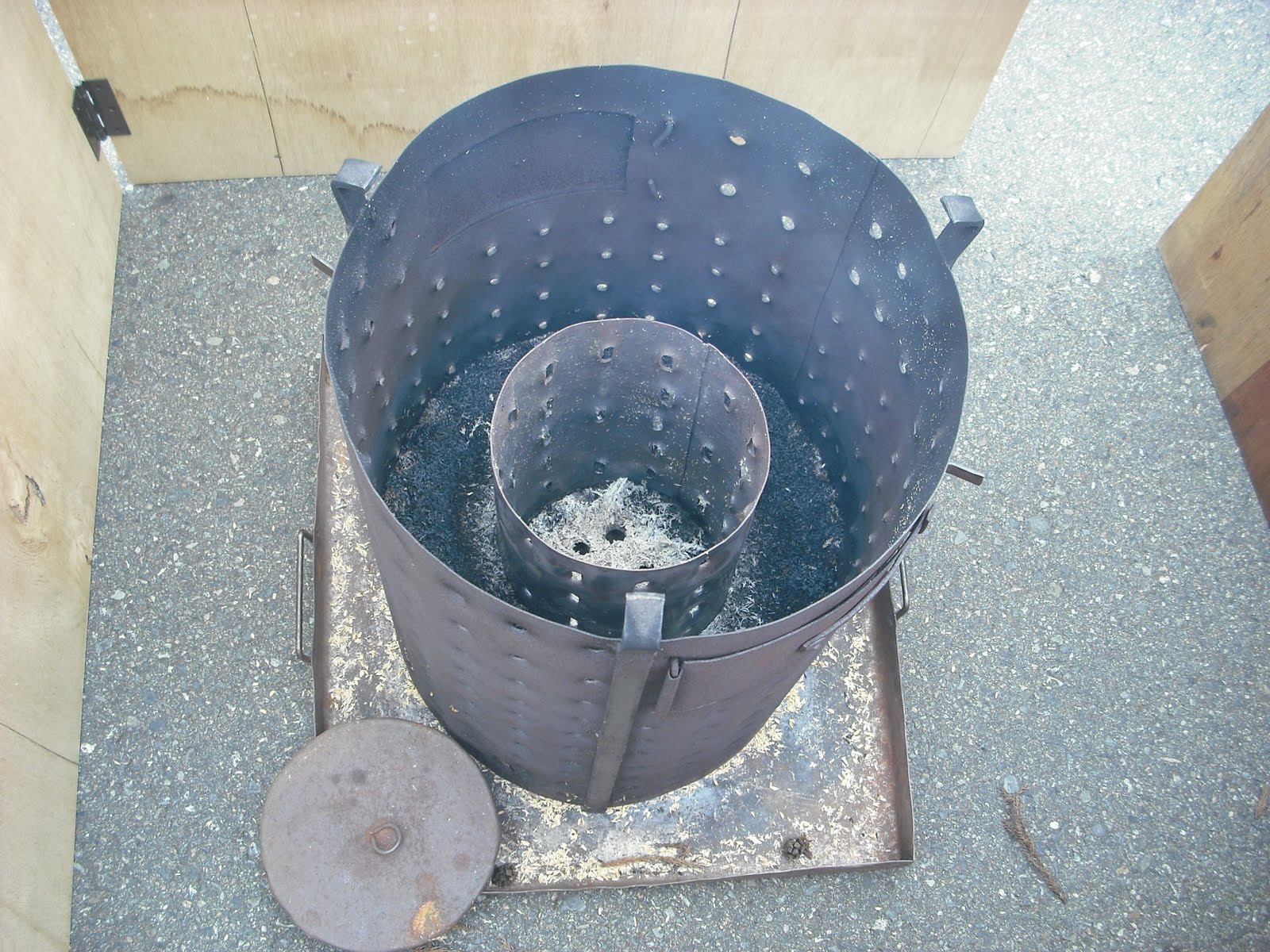
ぬか釜とは、この地方で使われていた伝統的な、お米を炊く釜です。「ぬか」とは通常、rice branのことですが、「ぬか釜」の「ぬか」は籾殻(もみがら)のことです。
You can see a large pot on the right.
右側に大きな鍋が見えます。

きのこ汁が作られていました。

看板に書いてあるように、ご飯は無料ですが、残念なことにきのこ汁は一杯200円です(去年は無料でした)。後で値段は100円に下がったと分かったのですが、その前にきのこ汁は買わないことに決めていました。

いつも通り、わくわくするひと時です!

炊き立てのコシヒカリ。

11時ちょっと過ぎ。通りはもう混んでいました!

つむぎ通りの軽トラ市:

1000円の石坂まいたけ1袋(1000円)と「半熟チーズ」1パック(500円)を買いました。

Shinmai no Jin 2009
Shinmai no Jin 2010 and a Kei Tora Ichi
First Kei Tora Ichi
新米の陣2009年
新米の陣2010年と軽トラ市
初めての軽トラ市
My Nukadoko on Oct. 2/私のぬか床、10月2日
On September 29, I finally took my nukadoko out of the freezer and thawed it on the kitchen counter.
9月29日、やっと冷凍庫からぬか床を出して、台所のカウンタで解凍しました。
 I had waited for the room temperature to be in the 20-25C range.
今まで室温が20~25Cの範囲になるのを待っていました。
 On Sep. 30, I transferred the nukadoko to the tupperware container. I smelled it and found it was OK. I decided to leave it for another day.
9月30日、タッパーにぬか床を移しました。臭いをかぐと、大丈夫そうでした。もう一日置いておくことにしました。
On December 1, I decided to pickle some carrot. Later, I added some daikon leaves (not shown).
10月1日、にんじんを少し漬けることにしました。後で大根の葉(写真には載っていません)を足しました。
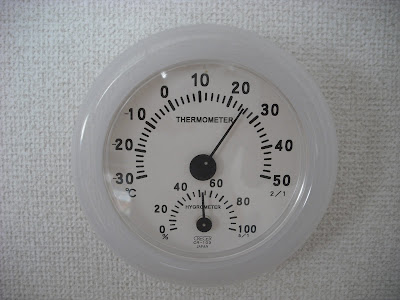
 And, on the morning of December 2, I was surprised to see that film yeast had formed. I checked the room temperature, and it was 22C. I took out all daikon leaves and carrot, mixed the nukadoko thoroughly, put back the carrot, and put the nukadoko in the vegetable compartment of the fridge.
10月2日の朝、産膜酵母ができているので驚きました。室温を見ると、22Cでした。大根の葉とにんじんを出して、ぬか床をよく混ぜて、にんじんは戻し、ぬか床を冷蔵庫の野菜室に入れました。
 I rinsed the daikon leaves and finely chopped them. They were sour like furuzuke (lit. old pickle).
大根の葉は洗って、細かく切りました。古漬けのように、すっぱかったです。
 I mixed some of them with natto.
少し納豆と混ぜて食べました。
I will have to wait and see what will happen to my nukadoko.
ぬか床がどうなるか様子を見ないと。
9月29日、やっと冷凍庫からぬか床を出して、台所のカウンタで解凍しました。

今まで室温が20~25Cの範囲になるのを待っていました。

9月30日、タッパーにぬか床を移しました。臭いをかぐと、大丈夫そうでした。もう一日置いておくことにしました。
On December 1, I decided to pickle some carrot. Later, I added some daikon leaves (not shown).
10月1日、にんじんを少し漬けることにしました。後で大根の葉(写真には載っていません)を足しました。

10月2日の朝、産膜酵母ができているので驚きました。室温を見ると、22Cでした。大根の葉とにんじんを出して、ぬか床をよく混ぜて、にんじんは戻し、ぬか床を冷蔵庫の野菜室に入れました。

大根の葉は洗って、細かく切りました。古漬けのように、すっぱかったです。

少し納豆と混ぜて食べました。
I will have to wait and see what will happen to my nukadoko.
ぬか床がどうなるか様子を見ないと。
September 30, 2011
To All Fans of Shinya Shokudo/深夜食堂のファンの方々へ
October will be a great month for all fans of Shinya Shokudo, including me.
10月は、私を含め、深夜食堂のファンにとってはすごい月になりそうです。
Part 2 of the TV drama, Shinya Shokudo, will start as follows:
TBS: Tuesday, Oct. 18, 24:55-25:25
MBS: Thursday, Oct. 13, 24:55-25:25
RKB: Saturday, Oct. 15, 26:45-27:15
And, a special program
"Just before the broadcast of Part 2! Shinya Shokudo Special"
will be aired one week before Part 2 starts, as follows:
TBS: Tuesday, Oct. 11, 25:25-25:55
MBS: Thursday, Oct. 6, 24:55-25:25
RKB: Saturday, Oct. 8, 26:45-27:15
Source: This page of the official site of the TV drama Shinya Shokudo.
テレビドラマ「深夜食堂」の第二部が次の日程で始まります。
★RKB
10/15(土)スタート 26:45~27:15
★TBS
10/18(火)スタート 24:55~25:25
★MBS
10/13(木)スタート 24:55-25:25
そして、第二部が始まる一週間前に、特別番組
★「第二部放送直前!深夜食堂スペシャル」
が次の日程で放送されます。
(TBS)10月11日(火)25:25~25:55
(MBS)10月06日(木)24:55~25:25
(RKB)10月08日(土)26:45~27:15
出典: テレビドラマ深夜食堂の公式サイトのこのページ
What is more, Volume 8 of the manga book, Shinya Shokudo, wil be issued on October 28, 2011.
さらに、漫画本「深夜食堂」の8巻が2011年10月28日に発売されます。
10月は、私を含め、深夜食堂のファンにとってはすごい月になりそうです。
Part 2 of the TV drama, Shinya Shokudo, will start as follows:
TBS: Tuesday, Oct. 18, 24:55-25:25
MBS: Thursday, Oct. 13, 24:55-25:25
RKB: Saturday, Oct. 15, 26:45-27:15
And, a special program
"Just before the broadcast of Part 2! Shinya Shokudo Special"
will be aired one week before Part 2 starts, as follows:
TBS: Tuesday, Oct. 11, 25:25-25:55
MBS: Thursday, Oct. 6, 24:55-25:25
RKB: Saturday, Oct. 8, 26:45-27:15
Source: This page of the official site of the TV drama Shinya Shokudo.
テレビドラマ「深夜食堂」の第二部が次の日程で始まります。
★RKB
10/15(土)スタート 26:45~27:15
★TBS
10/18(火)スタート 24:55~25:25
★MBS
10/13(木)スタート 24:55-25:25
そして、第二部が始まる一週間前に、特別番組
★「第二部放送直前!深夜食堂スペシャル」
が次の日程で放送されます。
(TBS)10月11日(火)25:25~25:55
(MBS)10月06日(木)24:55~25:25
(RKB)10月08日(土)26:45~27:15
出典: テレビドラマ深夜食堂の公式サイトのこのページ
What is more, Volume 8 of the manga book, Shinya Shokudo, wil be issued on October 28, 2011.
さらに、漫画本「深夜食堂」の8巻が2011年10月28日に発売されます。
September 27, 2011
Today's Lunch (Sep. 27)/今日の昼食(9月27日)
Just wanted to show you what I had for lunch today. Tarako spaghetti bought at the supermarket.
今日の昼に何を食べたか見せたかっただけです。スーパーで買ったたらこスパゲティー。
 It contained a lot of eryngii.
エリンギがたくさん入ってました。
 This is another example of my petit zeitaku (small luxury). I also had a slice of bread with a korokke on it.
私のプチ贅沢の一例です。また、パンを一枚、コロッケを載せて食べました。
今日の昼に何を食べたか見せたかっただけです。スーパーで買ったたらこスパゲティー。

エリンギがたくさん入ってました。

私のプチ贅沢の一例です。また、パンを一枚、コロッケを載せて食べました。
First Mushroom Hunting in Fall 2011/2011秋の最初のきのこ狩り
On September 25, my son and I went mushroom hunting for the first time in this season.
9月25日、息子と今シーズン初めてきのこ狩りに行きました。
 Beware of bears!!!
クマに注意!!!
There was more water in the river. It looked like a pond or something.
川には水がいっぱいありました。池か何かのようです。

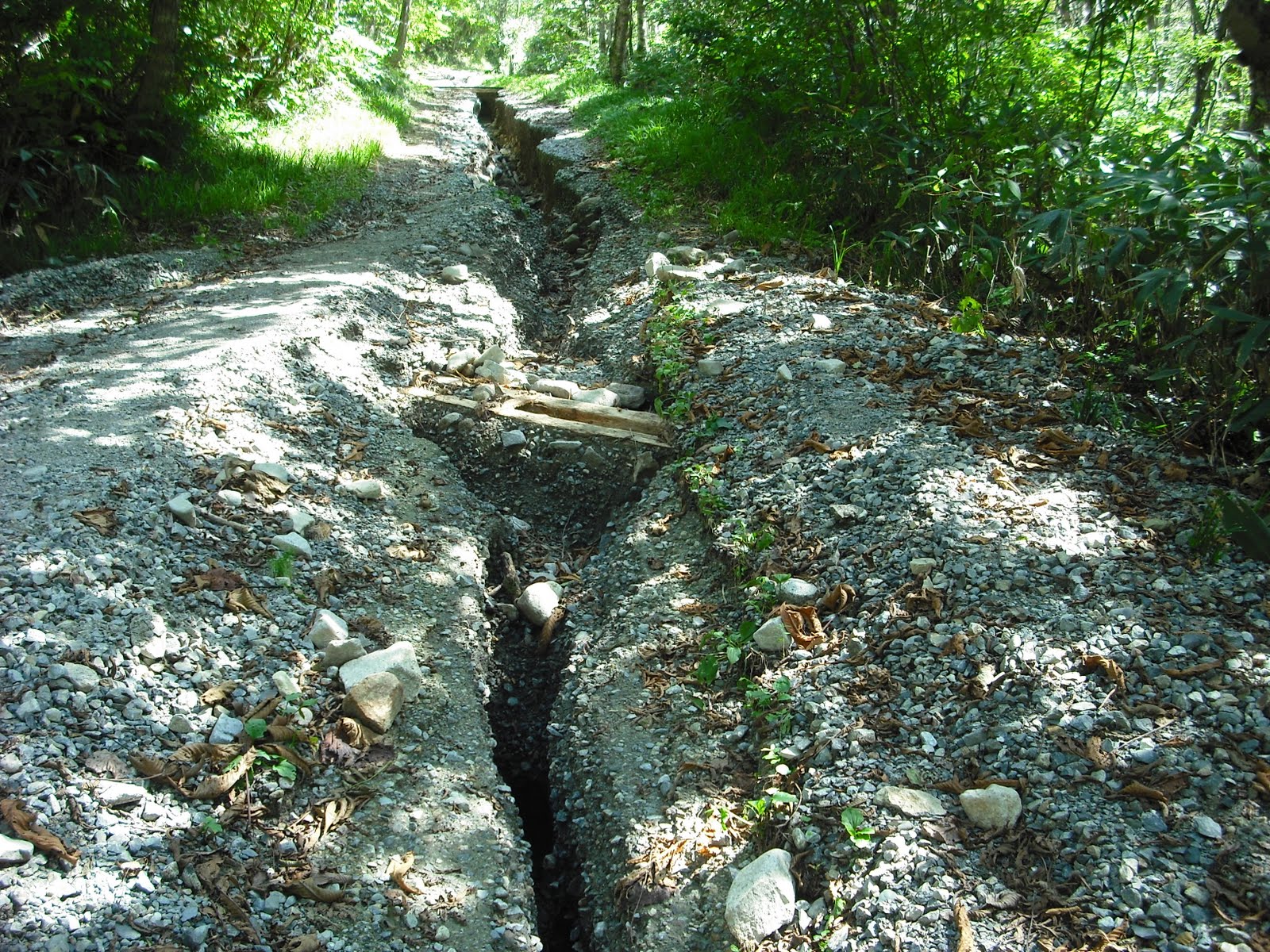
The aftermath of the flood that took place in late July was still apparent.
7月下旬に起きた洪水の影響が、いまだにありました。


Somewhere near here,
この近くで、
 my son found some maitake. He was overjoyed! It was too old to eat, though.
息子は舞茸を見つけ、大喜びでした。老菌で食べれませんでしたが。
 For no particular reason, I found this particular tree very impressive.
特に理由はないのですが、この木がとても印象的でした。


 I am very sorry that these photos just don't justify the beauty of the tree.
写真では、この木の美しさが伝わらなくて、とても残念です。
Some of other mushrooms we found:
他に見つけたきのこ:
Numeri sugitake modoki, according to my son:
息子によれば、ヌメリスギタケモドキ:
 I forgot its name...
名前を忘れました...。
 Hanaiguchi (Suillus grevillei):
ハナイグチ:

 Hatake shimeji (Lyophyllum decastes):
ハタケシメジ:


9月25日、息子と今シーズン初めてきのこ狩りに行きました。

クマに注意!!!
There was more water in the river. It looked like a pond or something.
川には水がいっぱいありました。池か何かのようです。

The aftermath of the flood that took place in late July was still apparent.
7月下旬に起きた洪水の影響が、いまだにありました。

Somewhere near here,
この近くで、

息子は舞茸を見つけ、大喜びでした。老菌で食べれませんでしたが。

特に理由はないのですが、この木がとても印象的でした。


写真では、この木の美しさが伝わらなくて、とても残念です。
Some of other mushrooms we found:
他に見つけたきのこ:
Numeri sugitake modoki, according to my son:
息子によれば、ヌメリスギタケモドキ:

名前を忘れました...。

ハナイグチ:


ハタケシメジ:


September 23, 2011
Leftover Tonjiru/残りの豚汁
My recipe for tonjiru, described in the previous post, reflects my philosophy of wanting to cook each ingredient just right, without undercooking or overcooking.
前に説明した私の豚汁のレシピーは、どの具材もちょうど良く調理したい(調理し足りない、調理し過ぎなく)という考えに基づいています。
Today, I improved my tonjiru by adding two additional ingredients: sub-standard enoki that I got from a friend who runs an enoki factory and the leftover pan-fried pork slices from last night's supper.
今日は、具材を2つ足して、豚汁を改良しました。えのき工場を経営するお友達から頂いた規格外のえのきと昨日の夕飯の残りの豚の焼肉です。


 Just like any nimono (simmered dish), tonjiru tastes better the next day.
煮物と同様、豚汁は次の日もっと美味しくなります。
前に説明した私の豚汁のレシピーは、どの具材もちょうど良く調理したい(調理し足りない、調理し過ぎなく)という考えに基づいています。
Today, I improved my tonjiru by adding two additional ingredients: sub-standard enoki that I got from a friend who runs an enoki factory and the leftover pan-fried pork slices from last night's supper.
今日は、具材を2つ足して、豚汁を改良しました。えのき工場を経営するお友達から頂いた規格外のえのきと昨日の夕飯の残りの豚の焼肉です。


煮物と同様、豚汁は次の日もっと美味しくなります。
Subscribe to:
Posts (Atom)